Scientists have uncovered a stunning ecological paradox in the Baltic Sea where World War II explosives dumped decades ago are now hosting thriving marine ecosystems, forcing experts to rethink everything they thought they knew about toxic contamination and ocean life.
Story Highlights
- Marine life thrives on WWII explosives despite high TNT contamination levels
- Researchers found significantly more species on munitions than surrounding seabed
- Study challenges assumptions about toxic waste creating barren underwater zones
- Scientists propose replacing explosives with artificial reefs to preserve habitats
Shocking Discovery Challenges Environmental Science
Marine biologist Andrey Vedenin led a research team that published groundbreaking findings on September 25, 2025, revealing abundant marine life colonizing World War II explosives on the Baltic Sea floor. The study documented significantly greater species diversity on munitions surfaces compared to surrounding areas, despite dangerous levels of TNT and other toxic compounds. This discovery fundamentally challenges scientific expectations that such contaminated sites would remain barren wastelands.
The research team investigated a newly discovered munitions dumpsite in Lübeck Bay using remotely operated vehicles in October 2024. Their systematic survey methods provided the first quantitative evidence of marine species actively thriving on toxic military hardware. The findings contradict decades of assumptions about the ecological impact of underwater chemical contamination from wartime disposal practices.
Massive Post-War Dumping Created Underwater Hazard Zones
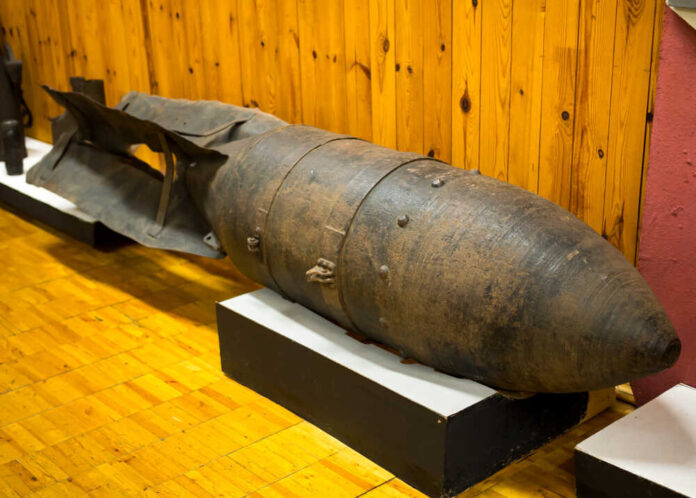
After World War II ended, Allied forces dumped approximately 1.5 million metric tonnes of ammunition into the North Sea and Baltic Sea, including artillery shells, bombs, and naval warheads. These disposal sites were largely forgotten for decades while concerns focused primarily on chemical leakage and potential safety hazards. German waters contain extensive munitions dumpsites that have remained largely unstudied until recent technological advances enabled detailed ecological surveys.
The scale of underwater munitions disposal represents one of the largest examples of legacy pollution in European waters. Environmental agencies have traditionally approached these sites as contamination zones requiring cleanup and remediation. However, the new research findings suggest a more complex relationship between toxic materials and marine ecosystem development than previously understood.
Policy Implications Spark Scientific Debate
The research findings have prompted calls for policy reviews regarding munitions removal strategies and habitat management approaches. Scientists now propose replacing toxic explosives with non-toxic artificial substrates that could support marine life without environmental contamination. This approach would balance ecological preservation with pollution reduction, though implementation costs and technical challenges remain significant obstacles.
https://www.theguardian.com/us-news/2021/jun/23/us-navy-shock-exercises-marine-life
Environmental regulators face difficult decisions about balancing immediate contamination risks against unexpected ecological benefits. The discovery has sparked international discussion about best practices for managing underwater munitions sites worldwide. Marine conservation experts advocate for comprehensive studies before implementing removal programs that could inadvertently destroy established ecosystems.
Sources:
Scientists Find Marine Life Thriving on World War II Explosives in the Baltic Sea
Explosives Baltic Sea Scientists