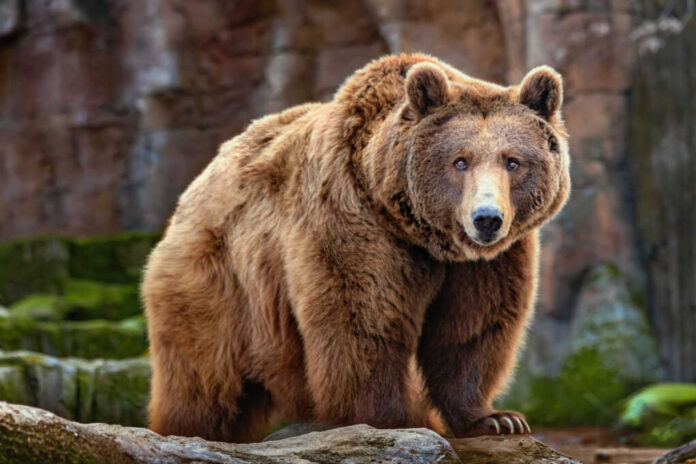
A man who believed grizzlies were his “friends” left behind a six-minute audio record so horrific investigators called it the worst they’d ever heard.
Story Snapshot
- Timothy Treadwell and Amie Huguenard were killed by a grizzly bear in Katmai National Park, Alaska, on October 5, 2003, after camping near active bear habitat late in the season.
- A video camera captured about six minutes of audio from inside the tent—screams, instructions to “play dead,” and frantic attempts to fight back—while the lens cap was on.
- The tape was never released publicly; Werner Herzog, who later made Grizzly Man, urged that it not be shared, and the custodian ultimately destroyed it.
- Officials and critics pointed to unsafe behavior, including close contact that can habituate predators and ignoring park safety norms.
What happened in Katmai, and why the audio still haunts investigators
Timothy Treadwell, 46, spent 13 summers living among grizzly bears in Katmai National Park, filming them up close and giving them names. On October 5, 2003, he and his girlfriend, Amie Huguenard, were in a tent near Kaflia Bay when a bear approached, likely drawn by food odors as rainy fall conditions set in. Treadwell activated a camera, but the lens cap remained on, preserving only audio.
Investigators later described the recording as a brutal, minute-by-minute account of panic and violence: Treadwell yelling that he was being killed, Huguenard exiting the tent and shouting at the bear, then urging him to “play dead” when the animal briefly retreated. Moments later, she directed him to fight back—at one point reportedly using a frying pan—before the sounds fade as he is dragged away and the attack turns fatal.
The avoidable-risk question: habituation, rules, and the limits of “living with wildlife”
Katmai’s grizzlies are apex predators, and risk tends to rise in the fall when natural food sources thin out and bears push harder for calories. Reporting on the case and commentary around it repeatedly point to a central issue: Treadwell’s long-running pattern of treating wild bears as approachable companions. Critics argue that close proximity, repeated encounters, and camping near feeding areas can reduce an animal’s fear of humans—raising the odds that a stressed or hungry bear tests boundaries.
Accounts also indicate Treadwell stayed late into October, beyond what many consider the safer window for backcountry bear viewing in that region. That timing matters because late-season bears can be more unpredictable, and weather can delay travel and rescue. Park officials had reportedly debated stronger action after seeing footage of unsafe interactions, but efforts to restrict him did not ultimately stop his return. The result was a worst-case collision between human confidence and raw, unromantic nature.
Aftermath: the bear, the recovery, and why officials treated it as a safety failure
Rangers arrived the next day and found the shredded tent and grisly evidence of what happened. Reports describe remains recovered at the scene and additional remains found in the stomach of a very large bear, which was shot after it charged. The bear involved has been described as an older male with damaged teeth—details that matter because an aging animal may have fewer options for normal feeding and may take greater risks around human scent and easy calories.
Officials framed the incident as consistent with reckless human behavior in bear country rather than a random “freak” attack. That conclusion doesn’t require demonizing wildlife; it reflects a basic principle of public lands management: predators stay wild when humans keep distance, store food correctly, and avoid turning campsites into scent magnets. The case has been used for years as a cautionary lesson—especially for new visitors who confuse filming wildlife with controlling it.
The tape was destroyed—and that decision highlights a cultural fault line
The audio was never publicly released, and those closest to the material said they wanted to protect the victims’ dignity and prevent lurid entertainment. Werner Herzog, who included the story in his 2005 documentary Grizzly Man, listened to part of the tape and advised it should never be heard publicly. Jewel Palovak, who controlled the material, later said destroying it felt freeing. In other words, the most notorious “recording” in the story persists largely through secondhand descriptions.
For conservatives who are tired of institutions pushing fantasy over reality, the enduring takeaway is straightforward: nature doesn’t care about narratives. Personal freedom is real, but so is personal responsibility—and the rules in America’s parks exist because consequences are permanent. The public can debate documentary-making and ethics, but the hard facts remain: two people died in minutes, a bear was killed afterward, and the episode still stands as a warning against ideology—of any kind—that treats danger as optional.
Sources:
Couple eaten by bear leave behind ‘worst recording ever made’
Couple’s chilling last moments as they’re devoured by bear in ‘worst recording ever made’