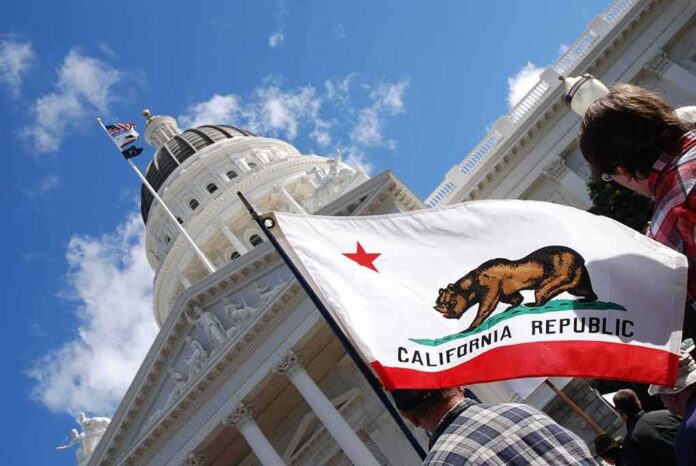
California just made it easier to charge repeat drunk drivers with felonies—and even murder when someone dies—shifting how the state punishes and tries to prevent deadly crashes.
Story Highlights
- Governor Gavin Newsom signed four laws aimed at repeat driving under the influence and rising deaths.
- The package stiffens penalties, extends license revocations, and expands ignition interlock use.
- One law, “Braun’s Law,” targets plea deals by warning drivers they could face murder if they kill while impaired.
- Progressive groups argue harsher penalties will hit low-income communities hardest and miss root causes.
What Changed Under California’s Four New DUI Laws
Governor Gavin Newsom signed a package that raises penalties for repeat driving under the influence offenders and tightens license rules. The laws increase Department of Motor Vehicles violation points for vehicular manslaughter while intoxicated, lengthen license revocations for multiple convictions within ten years, and expand ignition interlock device mandates for repeat offenders. Prosecutors also gain clearer paths to charge repeat cases as felonies, especially for third offenses within a decade, sharpening the legal response to high-risk drivers.
“Braun’s Law” addresses a long-running gap tied to plea deals. Judges must now warn drivers who plead a driving under the influence charge down to a lesser offense that a future impaired crash that kills someone can bring a murder charge. Supporters say the warning, recorded in court, helps prove the driver knew the deadly risk and chose to drive anyway, a key element in murder filings after prior impaired-driving conduct.
Why Lawmakers Moved Now: Rising Deaths And A Tragic Case
State leaders point to rising roadway deaths and repeat-offender risk as the reason for action. News reports and state briefings say alcohol-related fatalities have surged in recent years, while California has lagged in felony options until a fourth conviction in ten years, unless injuries occur. The package also honors Braun Levi, an 18-year-old killed by a suspected repeat drunk driver, whose case galvanized families and lawmakers to close gaps and speed stronger charges.
Research from the California Department of Motor Vehicles shows repeat offenders are a smaller share of drivers but carry higher crash and reoffense risk. State dashboards track recidivism and crash rates across offender groups, informing policy tools like longer suspensions and ignition interlock devices. Lawmakers often turn to these steps after deadly cases because treatment alone rarely stops high-risk driving, while sanctions with compliance tools can curb repeat behavior.
Supporters Say Safety; Critics See Uneven Burdens
Backers argue the package targets the most dangerous drivers and closes loopholes that let repeat offenders stay on the road. The Governor’s release highlights longer license revocations, more ignition interlock use, and stronger charging paths as core safety fixes. The goal is simple: keep known high-risk drivers from endangering the public and make sure courts can bring serious charges when someone dies in an impaired crash.
California Governor Gavin Newsom signed Braun’s Law to crack down on repeat DUI offenders, closing legal loopholes to ensure drunk drivers who kill face murder charges. https://t.co/G2N4IpItt2
— FOX 11 Los Angeles (@FOXLA) September 25, 2026
Progressive advocates counter that tougher penalties lean on enforcement that can fall hardest on low-income and marginalized residents. They warn that fines, fees, and felony exposure can trap people in debt and jail without expanding treatment, transit options, or safe-ride access. Their push helped shrink a larger 17-bill proposal to these four laws. They want the next session to center more prevention, support, and alternatives to driving after drinking or drug use.
What Drivers Need To Know Now
Drivers with prior convictions face higher stakes. A third driving under the influence case within ten years can be charged as a felony. Courts can impose longer license revocations when four or more qualifying convictions stack within the ten-year window, and ignition interlock mandates expand for repeat cases. If a driver pleads a case down today, a future fatal impaired crash can trigger a murder charge because the driver was clearly warned in court.
Big Picture: Safety, Fairness, And Government Follow-Through
Californians across politics want safer roads and fair treatment. Many also doubt government will follow through with more than headlines. These laws raise the cost of repeat drunk driving and may deter some. Their impact will hinge on steady enforcement, clear court warnings, real access to treatment, and pragmatic tools like ignition interlocks. If those pieces lag, the burden may fall on the same communities who already feel the system works for the connected, not for them.
Sources:
nypost.com, latimes.com, gov.ca.gov, calmatters.org, ground.news