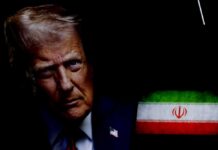
U.S. military forces conducted strikes in Ecuador targeting drug trafficking operations, marking a decisive shift in America’s fight against narco-cartels flooding our streets with poison under policies that previously turned a blind eye to border chaos.
Story Snapshot
- U.S. forces executed anti-drug operations in Ecuador, disrupting major trafficking networks responsible for cocaine shipments to American communities
- Ecuador transformed from Latin America’s stable nation into a narco-state after 2016, with over 8,000 murders in 2023 alone
- Mexican cartels like CJNG and Albanian gangs exploit Ecuador’s ports to smuggle tons of cocaine hidden in banana and shrimp exports
- Trump administration’s decisive action represents renewed commitment to destroying drug networks that previous policies allowed to flourish
Trump Administration Takes Fight to Traffickers
President Trump authorized U.S. military operations in Ecuador targeting transnational drug trafficking organizations that have turned the South American nation into a primary cocaine transit hub. The Defense Department partnered with Ecuadorian forces to disrupt networks controlled by Mexican cartels and European criminal syndicates. These operations demonstrate a return to aggressive enforcement after years of weak border policies that enabled cartels to expand operations unchecked. DEA intelligence identified key trafficking routes through Pacific ports where gangs hide cocaine in legitimate agricultural exports destined for U.S. markets.
Ecuador’s Collapse Into Narco-State Chaos
Ecuador descended from regional stability into violence-plagued chaos following the 2016 extradition of Mexican cartel leader “El Chapo,” which created a power vacuum filled by the CJNG cartel and Albanian criminal networks. The country recorded over 8,000 murders in 2023, transforming from Latin America’s safest nation into its most dangerous. Gangs like Los Choneros seized control of prisons and coastal ports in Guayaquil, Ecuador’s largest city and key Pacific shipping hub. The 2020 murder of Los Choneros’ leader sparked internal wars between splinter groups competing for control of lucrative cocaine routes to the United States and Europe.
Cartels Exploit Trade Routes and Corrupt Systems
Criminal organizations weaponized Ecuador’s dollarized economy and European Union trade agreements to embed trafficking operations within legitimate banana and shrimp export industries. Ports in Guayaquil and Posorja became primary embarkation points for multi-ton cocaine shipments, with traffickers bribing officials and co-opting fishermen to move product. The CJNG cartel partnered with local gangs as “service providers” while Albanian networks fortified a $10 billion cocaine pipeline to the Balkans. Previous administrations’ austerity measures and corruption weakened law enforcement capacity, allowing gangs to infiltrate government institutions. This exemplifies how weak governance and globalist trade policies create vulnerabilities that organized crime exploits to poison American communities.
Restoring Security Through Strength
The Trump administration’s military operations in Ecuador represent a strategic pivot from passive drug interdiction to active dismantling of trafficking infrastructure. U.S. forces targeted gang logistics networks that previously operated with impunity, disrupting cash flows and supply chains feeding America’s fentanyl and cocaine crisis. Ecuadorian officials arrested 14 Los Choneros members in coordinated 2022 raids, though gang violence persisted with massacres in Guayaquil and nightclub attacks killing dozens. Ongoing seizures at Pacific ports intercept tons of cocaine before reaching U.S. streets, protecting families from substances that claimed countless American lives during the previous administration’s neglect of border security and international drug enforcement.
Ecuador Operation: Traffickers Lose 1.6 Tons of Drugs in U.S. Strikehttps://t.co/63CgOI79tO
— PJ Media (@PJMedia_com) March 12, 2026
These decisive strikes send an unmistakable message to cartels: the era of consequence-free trafficking ends when leadership prioritizes American safety over globalist appeasement. By partnering with Ecuador to destroy narco-networks at their source, Trump demonstrates the effectiveness of strength-based foreign policy that protects citizens rather than enabling criminal enterprises through inaction and open-border policies that welcomed cartel operations.
Sources:
Journey Through the World’s Newest Narco-State
How Ecuador Went From Being Latin America’s Model of Stability to a Nation in Crisis
Eye of the Storm: Ecuador’s Compounding Crises
Paradise Lost: Ecuador’s Battle Against Organised Crime