As America battles Iran while energy costs soar at home, a massive cyclone just knocked out over 5% of the world’s natural gas supply from Australia—sending global prices even higher and reminding us how vulnerable our energy security remains when we’re dependent on distant suppliers instead of drilling here.
Story Snapshot
- Tropical Cyclone Narelle shut down three major Australian LNG plants including Chevron’s Gorgon and Wheatstone facilities and Woodside’s North West Shelf plant on March 26-27, 2026
- The outages affect facilities producing over 5% of global LNG supply during peak Asian demand and Middle East war disruptions
- Category 4 cyclone brought 174 km/h winds forcing complete shutdown of Australia’s oldest LNG facility and reduced operations at other critical export hubs
- Global energy prices spike as the outages compound supply risks while America fights overseas instead of securing domestic energy independence
Perfect Storm Hits Global Energy Supply
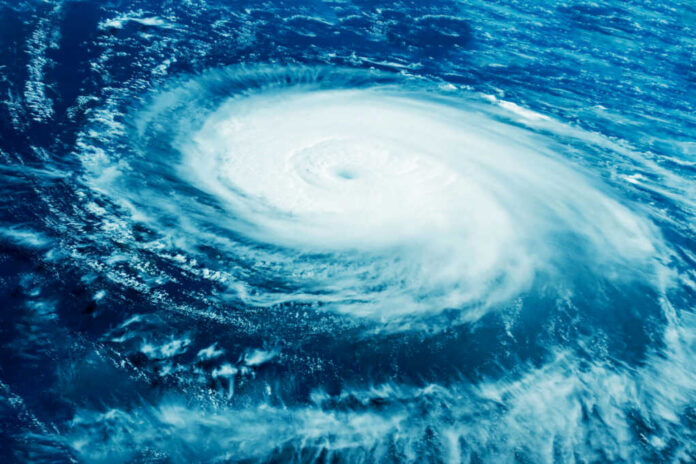
Tropical Cyclone Narelle slammed into Western Australia’s energy corridor on March 26, 2026, forcing complete shutdowns at Woodside Energy’s North West Shelf plant and Chevron’s Wheatstone facility while reducing operations at Chevron’s massive Gorgon plant. The timing couldn’t be worse—global LNG demand remains elevated due to Middle East tensions from the Iran war, and these Australian facilities collectively supply over 5% of the world’s liquefied natural gas. Chevron announced it is working to restore production “once safe,” while Woodside demobilized its offshore workforce as the category 4 storm approached with wind gusts reaching 174 km/h at Varanus Island and 170 km/h at Barrow Island where Gorgon operates.
Third Major Outage in Quick Succession
This cyclone marks the third major disruption to Australian LNG production in rapid succession, following Santos’ Barossa shutdown that began around March 20, 2026. Woodside’s North West Shelf facility, Australia’s largest and oldest LNG plant operational since 1989, suffered a complete shutdown of all four LNG trains and domestic gas operations after the cyclone passed near Karratha, where wind gusts hit 122 km/h. The plant’s vulnerability to cyclones isn’t new—Cyclone Zelia hammered the same facility in February 2025, contributing to a staggering 22% year-on-year LNG production drop in the first quarter of 2025. Western Australia’s Pilbara region hosts a cyclone-prone industrial corridor that faces frequent severe weather during wet season, yet these facilities remain critical to global energy markets.
Energy Independence Matters More Than Ever
While Australian operators scramble to restart production and protect assets, American families face the consequences of failed energy policies at home. We’re fighting a war in Iran that’s driving up global energy demand precisely when Mother Nature reminds us how fragile international supply chains can be. The Western Australia Department of Energy confirmed it’s monitoring domestic gas supplies under emergency protocols, reporting “green” status on pipeline reserves. But for Americans watching energy costs climb while our military is deployed overseas, this cyclone exposes a fundamental problem: dependence on foreign energy sources leaves us vulnerable to forces beyond our control, whether that’s weather patterns thousands of miles away or geopolitical conflicts our leaders choose to enter despite campaign promises.
Historical Pattern of Disruption
Woodside Energy has struggled with repeated cyclone damage and operational failures at its aging infrastructure. Beyond Cyclone Zelia’s devastating 2025 impact, the company’s Pluto LNG facility experienced an 11% production drop in the first quarter of 2025 and a seven-day shutdown in November 2024 from control system failures. The North West Shelf plant also retired its Train 2 unit in late 2024, reducing overall capacity even before Cyclone Narelle struck. These aren’t isolated incidents—they represent systemic vulnerability in facilities that the world relies on for energy security. Chevron’s Gorgon facility alone produces over 15 million tonnes of LNG annually, while Wheatstone adds approximately 9 million tonnes yearly. When both go offline simultaneously alongside Woodside’s operations, global markets feel immediate pressure.
Americans Pay the Price
The broader implications hit American consumers directly. As Cyclone Narelle shut down critical LNG infrastructure, global prices spiked just as Asian buyers compete for limited supplies and Middle East turmoil from the Iran war constrains alternatives. Western Australia officials may report domestic supply buffers remain adequate, but American energy security depends on choices made in Washington, not weather forecasts in the Pilbara. This administration promised to keep us out of new wars and restore energy dominance. Instead, we’re entangled in regime change conflicts while watching energy costs climb because we haven’t maximized domestic production. The cyclone damage underscores what common sense Americans already know: drill here, reduce dependence on imports, and stop fighting wars that drive up energy demand while emptying our wallets and sending our troops into harm’s way for unclear national interests.
Sources:
Cyclone triggers outages at major Australian LNG plants
Cyclone closes Woodside’s North West Shelf, Australia’s largest gas plant
Third major Australian LNG plant hit by cyclone outage: Woodside
Cyclone triggers outages at major Australian LNG plants
Cyclone triggers outages at major Australian LNG plants
Cyclone triggers outages at major Australian LNG plants
Cyclone outages cut Australia’s Woodside output in 1Q