Hurricane Melissa forces airlines to scramble as flight tracking maps reveal the massive economic disruption caused by yet another natural disaster hitting America’s tourism infrastructure during peak travel season.
Story Highlights
- Montego Bay Airport closure strands thousands of travelers, costing airlines millions in compensation
- Real-time flight maps show commercial aircraft forced into costly rerouting patterns around Category 3 storm
- Major carriers Virgin Atlantic, Air Transat, and Delta suspend Caribbean operations through November 5
- Tourism-dependent Caribbean economies face severe revenue losses during critical fall travel period
Airlines Face Massive Operational Disruptions
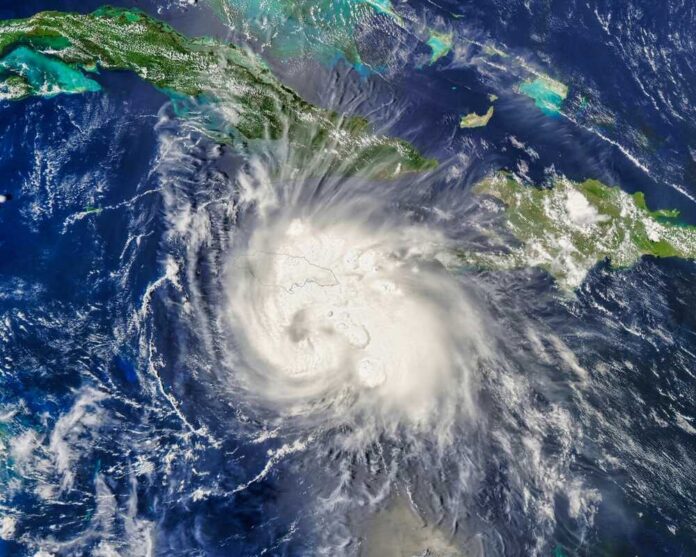
Hurricane Melissa struck the Caribbean at the worst possible time, forcing widespread flight cancellations and airport closures that expose the vulnerability of our travel infrastructure. Montego Bay Airport, a critical hub for international flights, remains completely shuttered as the Category 3 storm barrels through Jamaica and neighboring islands. Virgin Atlantic, Air Transat, and Delta Air Lines have suspended all Caribbean operations, with flexible rebooking policies extended through November 5, 2025.
Flight Tracking Maps Reveal Costly Rerouting Chaos
Real-time flight tracking technology provides a stark visualization of Hurricane Melissa’s economic impact, showing commercial aircraft forced into expensive detours around the storm’s massive footprint. Airlines must burn additional fuel, extend flight times, and coordinate with air traffic control across multiple countries to safely navigate around the hurricane. These operational adjustments translate directly into increased costs for carriers already struggling with post-pandemic recovery, ultimately passed on to consumers through higher ticket prices.
Tourism Industry Faces Severe Economic Losses
The timing of Hurricane Melissa couldn’t be worse for Caribbean tourism operators who depend heavily on October travel revenue. Hotels, restaurants, and tour operators throughout Jamaica face massive cancellations just as the peak fall season begins. Local authorities coordinate with airline customer service teams to manage thousands of stranded passengers, while tourism boards scramble to minimize long-term reputational damage to destinations that rely on American travelers for economic stability.
UPDATE FROM JAMAICA>>>St. Elizabeth Parish bore the brunt of Melissa when it made landfall and the pictures below show the widespread destruction. Crews are still working to get into some of the most hard-hit and mountainous areas. While the heavily damaged Montego Bay Airport… pic.twitter.com/abovPJHDLW
— Jamie Arnold WMBF (@jamiearnoldWMBF) October 29, 2025
Emergency Response Highlights Infrastructure Weaknesses
The coordinated response between airlines, airports, and government agencies demonstrates both the strengths and critical vulnerabilities in our travel infrastructure. While safety protocols effectively prevent casualties, the economic disruption reveals how dependent Caribbean economies have become on continuous air connectivity. Airlines implement comprehensive customer support measures, but the fundamental problem remains: insufficient weather-resistant infrastructure leaves entire regions vulnerable to prolonged shutdowns whenever major storms strike.
This hurricane serves as another reminder that America’s tourism and travel sectors need more resilient infrastructure investment, not just reactive customer service policies that treat symptoms rather than addressing the underlying vulnerability to natural disasters.
Sources:
Virgin Atlantic Hurricane Melissa Travel Advisory
Air Transat Hurricane Melissa Update
Delta Air Lines Hurricane Melissa Weather Alert