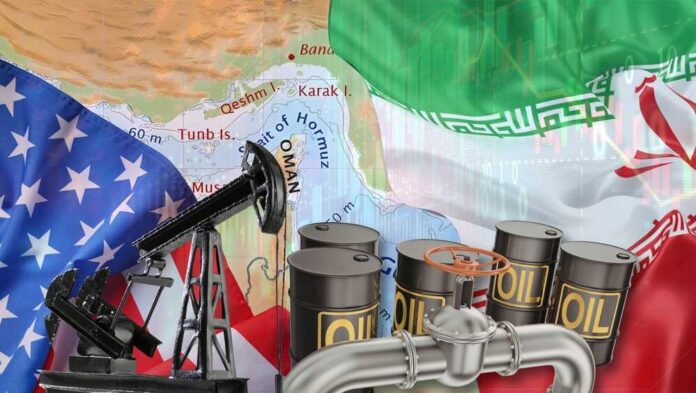
Iran’s missile strike on Israel’s Haifa oil refinery unleashed a massive black smoke plume visible for miles, spiking fears of skyrocketing U.S. energy prices and dragging America deeper into endless Middle East wars despite President Trump’s no-new-wars pledge.
Story Snapshot
- Iran fired at least seven ballistic missiles with cluster munitions at Bazan oil refinery near Haifa on March 27, injuring nine and producing dramatic black smoke.
- Attack highlights vulnerability of global energy infrastructure amid U.S.-backed escalations risking higher gas prices for American families.
- MAGA base questions endless regime change wars as Pentagon eyes ground troops in Strait of Hormuz and uranium raids inside Iran.
- UAE intercepted 414 Iranian missiles and thousands of drones since February, with 11 dead and 178 injured from debris fires.
Haifa Refinery Strike Ignites Escalation Fears
On March 27, 2026, Iran launched a barrage of at least seven ballistic missiles, many armed with cluster munitions, targeting the strategic Bazan oil refinery east of Haifa, Israel. The strike produced a massive plume of black smoke visible for miles, injuring nine people nearby. Surveillance footage captured the fiery impact, underscoring Iran’s focus on crippling energy infrastructure. This attack symbolizes the regime’s asymmetric retaliation, hitting economic lifelines that drive up global oil costs felt at every American pump.
Broader Iranian Barrages Target U.S. Allies
Since late February 2026, following Israeli-U.S. airstrikes on Iranian leaders and defenses, Iran unleashed multiday missile and drone campaigns against UAE, Bahrain, Oman, Qatar, Kuwait, Saudi Arabia, and Israel. UAE defenses intercepted 414 ballistic missiles, 1,914 drones, and 15 cruise missiles by March 29, but debris sparked fires in Abu Dhabi and Dubai, killing 11 including three military personnel and injuring 178. Targets included Al Dhafra Air Base housing U.S. forces, Palm Jumeirah hotel, and Burj Al Arab, exposing vulnerabilities in allied energy hubs.
U.S. Troop Buildup Fuels MAGA Divisions
President Trump pursues regime change in Iran amid 2025-2026 protests and massacres there, with Pentagon preparing options like ground troops for Strait of Hormuz control and special forces raids on Iranian uranium sites. White House spokesperson Caroline Lev confirmed these escalatory plans as Iran warns hotels housing U.S. military are legitimate targets. Israel claims to have killed the IRGC Navy commander, unconfirmed by Tehran. This buildup contradicts Trump’s promise to avoid new wars, dividing MAGA supporters weary of high energy costs and foreign entanglements.
Conservatives prioritizing America First see parallels to past globalist overreach: endless conflicts erode family budgets through inflation and overspending, while Iran’s limited salvos maximize pain on Israel per ISW analysis. UAE labels attacks terrorist acts, closing schools for remote learning amid ongoing threats.
Energy Crisis Hits American Wallets Hardest
Strikes on refineries and desalination plants exacerbate a global energy crisis, with short-term fires and disruptions in luxury tourism and oil sectors promising long-term price hikes. Haifa residents and UAE civilians, including Pakistani nationals, suffer directly from injuries and fear. Political risks mount toward broader war, as Iran uses proxies for asymmetric hits due to depleted missile stocks. U.S. families face the real cost: pump prices climbing while Washington eyes seizing Iranian oil fields or Kharg Island, prolonging the drain on resources.
Analysts note dual diplomacy tracks amid threats, but Iran’s defensive framing clashes with U.S. preparations. Limited data post-March 29 highlights uncertainties in troop deployments and IRGC claims, yet patterns confirm energy targeting as escalation hallmark.
Sources:
Institute for the Study of War: Iran Update Special Report, March 27, 2026
Wikipedia: 2026 Iranian strikes on the United Arab Emirates