
An oil spill in Europe’s second-busiest port just stopped ship traffic cold—another reminder that modern supply chains can be crippled by a single localized failure.
Quick Take
- Shipping traffic on the Scheldt River was halted after an oil spill in the Deurganck dock near Doel at the Port of Antwerp-Bruges.
- The port authority and local officials launched containment and cleanup, but no restart timeline was provided in the initial reporting.
- The disruption matters beyond Belgium because the Scheldt is the port’s main access route and is shared with the Netherlands.
- Key unknowns remain, including the spill’s cause, volume, and precise start time, limiting outside verification.
Shipping on the Scheldt Halted After Spill in Deurganck Dock
Port authorities in Antwerp moved to halt shipping traffic on the Scheldt River after an oil spill was reported in the Deurganck dock near Doel, part of the Port of Antwerp-Bruges. The incident effectively blocked navigation on a waterway that serves as the primary route in and out of one of Europe’s most important logistics hubs. Reporting indicated the situation was still unfolding as cleanup efforts continued, with no detailed schedule for resuming traffic.
Limited public detail is a major part of the story. The initial report did not specify how much oil was released, what equipment failed, or whether the spill came from bunkering operations, a vessel incident, or another industrial source. That gap matters because spill volume and cause typically determine how quickly cleanup can be completed and whether long-term operational restrictions follow. For now, the clearest confirmed fact is the operational reality: navigation stopped while responders contained the slick.
Why This Disruption Hits Hard: Antwerp’s Scale and Chokepoint Geography
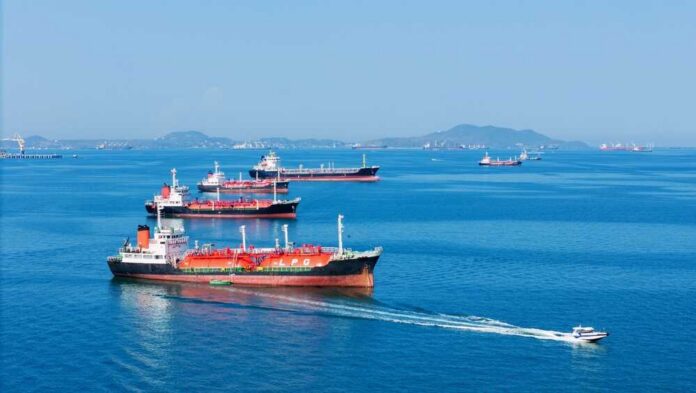
The Port of Antwerp-Bruges is routinely described as Europe’s second-largest port, handling more than 270 million tons of cargo annually, with the Deurganck dock functioning as a critical container terminal area since 2005. When a port of that scale loses its main access route, delays cascade quickly: ships stack up, terminals lose rhythm, and scheduling disruptions spread to rail, trucking, and downstream ports. In practical terms, a river stoppage can become a regional supply-chain jam.
The Scheldt’s geography intensifies the stakes. Because it is a tidal river with strong currents, containment can be more complicated than in an enclosed basin, and that can lengthen the disruption window. The river is also shared with the Netherlands, creating a cross-border operational reality where waterway controls and environmental protections can involve multiple regulators. The location near Doel—an area marked by heavy industry and sensitive infrastructure—adds urgency to preventing any wider environmental impact.
Cleanup Underway, but Key Facts Remain Unconfirmed
As of the latest reporting, containment and cleanup were underway, while shipping remained fully halted on the affected stretch. Authorities did not provide a firm timeline for restarting traffic, and no detailed official statements were cited that would clarify the expected duration. That information gap is not trivial: ports plan in hours and days, and shipping lines make expensive decisions about waiting, rerouting, or rescheduling cargo based on credible forecasts. Right now, outsiders are left without those specifics.
The limited sourcing also affects how confidently observers can assess responsibility. One outlet’s account can establish that a disruption happened and where, but it cannot, by itself, confirm technical cause or whether any party acted negligently. In a climate where publics across the West increasingly suspect “elite” institutions of hiding the ball, transparency matters: prompt, verifiable disclosure builds trust, while vague updates fuel suspicion. For the moment, the facts available support operational impact—while leaving accountability questions open.
Broader Stakes: Trade Resilience, Regulation, and Public Trust
The immediate costs of a port stoppage typically fall on shipping operators and cargo owners through delays and knock-on fees, while nearby communities worry about water quality and shoreline contamination. Longer-term consequences can include regulatory scrutiny and higher compliance and insurance costs, especially in busy tidal waterways with heavy vessel traffic. The political lesson is straightforward: governments and port authorities are judged not only by their promises, but by their preparedness—clear protocols, rapid containment, and honest communication.
For American readers watching from afar, the episode lands at a familiar intersection of concerns: the fragility of globalized logistics, the challenge of competent governance, and the real-world costs when critical infrastructure lacks redundancy. A single spill can freeze a major artery, proving how quickly “just-in-time” systems turn into “wait-in-line” reality. Until officials publish more specifics—cause, volume, and a credible restart plan—the public is left with disruption and unanswered questions.
Sources:
Oil spill at Antwerp port brings shipping traffic to a halt