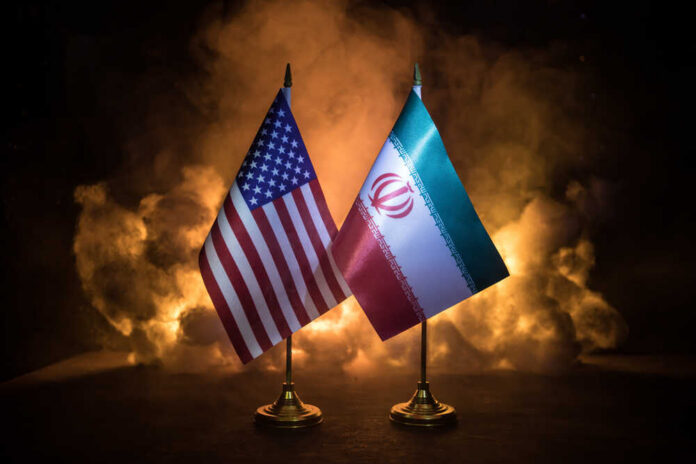
Iran’s brazen closure of the Strait of Hormuz defies President Trump’s ultimatums, risking American energy security and global economic chaos that past weak administrations allowed to fester.
Story Highlights
- Iran declared the Strait closed on March 4, 2026, attacking tankers and halting 20-30% of global oil and LNG flows.
- President Trump issued a 48-hour ultimatum on March 22 to reopen or face strikes on Iranian energy sites, deploying 2,500 Marines and warships.
- Iran vows tighter closure and retaliation against U.S. interests as of March 23, testing if economic pressure forces them to blink.
- U.S. strikes have degraded Iran’s military and nuclear capabilities, but allies remain passive amid surging oil prices.
Timeline of Iran’s Strait Aggression
Iranian forces declared the Strait of Hormuz closed on March 4, 2026, launching attacks on transiting tankers and infrastructure. This chokepoint handles 20-30% of global oil and LNG from Gulf states like Qatar, Saudi Arabia, and UAE. U.S. and Israel strikes in early March degraded Iran’s missiles, navy, air force, and nuclear pursuits. Iran retaliated by hitting Qatar’s Ras Laffan LNG hub, which supplies 20% of global LNG, and reportedly mining the strait.
Trump’s Firm Response and Ultimatums
On March 20, President Trump posted on Truth Social signaling potential war wind-down after achieving goals like degrading Iran’s military and nuclear threats, without forcing Strait reopening. Allies must secure it if needed. On March 22, Trump delivered a 48-hour deadline: reopen or face obliteration of energy sites. U.S. deployed 2,500 Marines and warships. Secretary of War Pete Hegseth attributes the blockage solely to Iranian attacks, highlighting U.S. military edge.
Iran’s Defiant Retaliation Threats
As of March 23, Iran promises tighter closure following Trump’s threat. Supreme Leader Ayatollah Mojtaba Khamenei sustains the blockade as leverage against U.S. strikes for regime survival. Foreign Minister Abbas Alaki claims it’s insurance-driven, open only to Iran’s friends. Parliament Speaker Muhammad Bakr Khalib pledges hits on U.S. financial firms and power plants. Insurance fears halt all but allied ships, with 140 million barrels of Iranian oil afloat under temporary U.S. sanctions waiver.
Global Economic Fallout Hits American Families
Short-term surges in oil and gas prices threaten Asian energy shortages and halt global trade, echoing inflation from past fiscal mismanagement. Long-term risks include stagflation, food crises from fertilizer blockages, and aviation disruptions like store closures. Gulf exporters invoke force majeure on LNG shipments. Asia faces existential threats to its growth engine. U.S. consumers brace for higher costs, underscoring why strong leadership deters such aggressions unlike prior globalist failures.
Will Economic Pressure Force Iran to Yield?
U.S. holds military superiority with ongoing strikes and deployments, frustrating ally inaction. Iran leverages asymmetric threats like mining and retaliation. Optimists among Trump advisors see eased threats post-strikes. Pessimists warn of escalation via ground operations or Kharg Island seizure. No consensus exists on Iran blinking amid defiance versus internal pressures from degradation. Experts note U.S. minesweepers prove inadequate if mining confirmed, devastating global economy per Dallas Fed analysis.
Sources:
Axios: Trump on winding down Iran war, Strait of Hormuz
Dallas Fed: Economic impacts of Strait closure
Carnegie: Fertilizer blockage and food crisis risks
CFR: Iran, Strait of Hormuz, energy crunch
Fortune: Iran war, Asia energy crisis, Hormuz
USNI: Report on Iran conflict and Strait of Hormuz