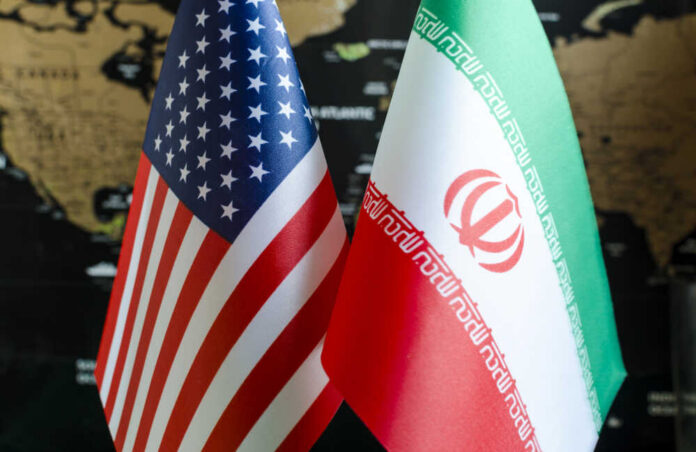
A viral claim that a U.S. service member died from an Iranian strike in Saudi Arabia is colliding head-on with what official reporting has actually confirmed.
Story Snapshot
- Credible accounts cited here place confirmed U.S. fatalities at six during early March 2026 combat operations tied to Iran’s retaliation, with deaths linked to strikes in places like Kuwait and other regional sites.
- Iran’s information campaign has pushed inflated casualty claims, which have been publicly disputed by U.S. officials and fact-check reporting.
- The verified story remains a fast-escalating U.S.-Israel-Iran conflict after collapsed nuclear talks, with U.S. forces defending regional bases and allies against missile and drone attacks.
What’s Verified vs. What’s Going Viral
U.S. Central Command’s confirmed casualty reporting, as summarized by major outlets in the provided citations, does not match the specific premise that a service member died from an Iranian strike on Saudi soil. The closest verified storyline is that U.S. fatalities occurred amid Iranian retaliatory strikes on regional bases and related combat operations. When a claim is this specific—Saudi Arabia, a particular strike, and a death—readers should demand the same specificity in sourcing.
The research provided also flags a key problem: sensational social media framing can outrun confirmed details, especially in wartime. Some content cites Saudi Arabia broadly as one of several places threatened or targeted in Iran’s regional retaliation, but that is not the same as verified reporting tying an American death to a strike in Saudi Arabia. Where the underlying documentation is missing, the responsible conclusion is uncertainty—not assumption.
CENTCOM-Linked Reporting: Six U.S. Deaths, Not a Saudi-Specific Fatality
Reporting cited from Axios and Business Insider describes six U.S. service members killed during the opening phase of combat operations and Iran’s retaliation, with additional wounded. The timeline in the research indicates three deaths reported Sunday, followed by additional deaths Monday as two missing service members were declared dead and another succumbed to injuries. Those accounts describe incidents tied to regional bases and tactical operations, not a Saudi-based death announcement.
The same research highlights a separate danger that rarely gets enough attention in cable-news churn: friction and complexity in high-tempo air defense and strike operations. A friendly-fire episode that downed three U.S. F-15Es in Kuwait (with crews safe) underscores how quickly a regional fight can produce chaos, mistakes, and misinformation. That context matters because false specifics—like a “Saudi base death”—can spread faster than careful confirmation in a combat environment.
Iran’s Propaganda Pattern and the Fog-of-War Incentive
The research cites a Jerusalem Post report describing Iranian claims of far higher U.S. casualties and alleged hits on U.S. assets—claims that were publicly disputed. That pattern fits a broader wartime incentive: a regime under pressure often uses inflated claims to project strength and boost morale at home. The credibility gap grows when numbers are dramatic but verifiable names, locations, and corroborating evidence are absent or contradicted by official statements.
Why the Location Detail Matters for Americans at Home
For U.S. families with loved ones in uniform, location details are not trivia—they determine which units were exposed, what defenses failed, and how policy decisions translate into real risk. The provided research points to a conflict triggered by collapsed nuclear negotiations and subsequent U.S.-Israeli strikes on Iranian targets, followed by Iranian missile and drone retaliation across the region. But it also stresses a limitation: no Saudi-specific U.S. fatality is confirmed in the cited reporting.
That limitation matters politically, too. Conservatives who spent years watching institutions downplay border enforcement, overspending, and ideological distractions tend to have little patience for information games in matters of war and peace. In this story, the most defensible position—based strictly on the provided sources—is straightforward: verified U.S. losses are real and tragic, Iran’s exaggerations are documented, and the Saudi-specific fatality claim is not substantiated by the cited reporting.
What to Watch Next as the Conflict Continues
The research describes ongoing operations and the likelihood of continued danger as Iran launches missiles and drones toward U.S. partners and regional sites. President Trump’s public messaging, as summarized in the research, acknowledged grief and warned there could be more losses. With names often withheld until next-of-kin notification, early “breaking” posts can fill the vacuum and harden into narratives before verification catches up.
US service member dies of injuries from Iranian strike on Saudi Arabia https://t.co/hAlZt1VmaM
— Task & Purpose (@TaskandPurpose) March 8, 2026
Readers should look for the basics before accepting highly specific claims: a clear CENTCOM release, consistent reporting across multiple reputable outlets, and details that match the broader verified timeline. Until then, the Saudi-based death storyline should be treated as unconfirmed. The bigger verified reality remains grim enough—American casualties in a widening conflict, an adversary pushing propaganda, and U.S. forces operating under the kind of pressure where truth is precious and rumors are cheap.
Sources:
US service member dies after Iranian attack in Saudi …
CENTCOM says a seventh US service member has died of …
US service member dies of injuries from Iranian strike on …