
A deadly flood in Albania exposes the consequences of unchecked climate policies and global mismanagement, raising urgent questions about international preparedness and local resilience.
Story Snapshot
- Catastrophic floods hit Albania after days of relentless rainfall, leaving communities devastated.
- Emergency services and military mobilized as infrastructure collapsed and evacuations surged.
- Experts blame failures in flood defenses, aging infrastructure, and inadequate preparedness.
- International agencies spotlight regional vulnerability and the urgent need for real resilience.
Relentless Rain Triggers Albanian Disaster
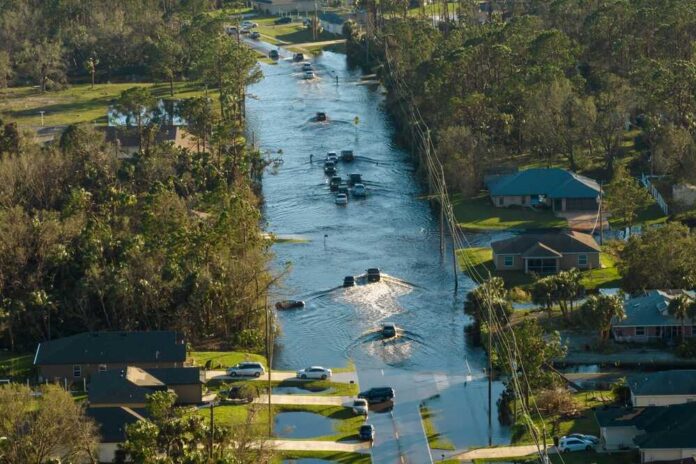
On November 18, 2025, Albania was overwhelmed by deadly floods after several days of torrential rainfall battered the northern and central regions. Cities such as Lezhë, Mamurras, Kurbin, Vlora, Fier, and Korça experienced rapid river overflows, triggering flash floods and landslides that forced thousands to evacuate their homes. Emergency services, the military, and local authorities responded swiftly, but the scale of devastation revealed deep vulnerabilities in the nation’s infrastructure and disaster readiness. The aftermath included at least one fatality, widespread power outages, and severe disruption to daily life.
Albania’s plight highlights a pattern seen across the globe where excessive central planning and globalist climate agendas have failed to bolster local defenses against real-world disasters. The country’s mountainous terrain and aging infrastructure have long made it susceptible to flood events, yet repeated international promises of resilience have not translated into effective protection. Key regions saw infrastructure collapse, including damaged roads, water systems, and agricultural land. Local communities, especially farmers, bore the brunt of the storm, with losses mounting and livelihoods at risk.
Failures in Preparedness and International Response
Emergency operations escalated quickly, with the Albanian government’s Ministry of Interior, Ministry of Defense, and military units coordinating mass evacuations and rescue efforts. Despite rapid mobilization, the lack of robust early warning systems and outdated flood defenses intensified the crisis. International agencies, including the European Commission and Copernicus Emergency Management Service, stepped in to provide technical support and mapping updates, but their involvement underscored how dependent local authorities remain on external aid. As water levels began to recede, warnings persisted for areas like Korçë, Vlorë, and Gjirokastër, exposing ongoing risks and the need for sustainable, locally-driven solutions.
Statements from Albanian officials stressed their commitment to restoring normalcy and public safety, but the disaster renewed calls for honest investment in infrastructure, not just empty globalist pledges. The timeline of events—from the first torrential rains to the peak flooding and eventual recovery—revealed a critical gap between policy and practical readiness. Local mayors, civil protection agencies, and military units worked tirelessly, yet the scale of disruption proved that long-term resilience remains elusive without genuine prioritization of national interests and conservative, common-sense planning.
Human and Economic Toll: Why Conservative Values Matter
The floods delivered a heavy blow to Albania’s people and economy. Humanitarian impacts included mass displacement, trauma, and loss of life. Infrastructure damage cut off roads, power, water, and communication networks, leaving residents and businesses in turmoil. The agricultural sector suffered significant losses as flooded fields and damaged crops threatened food security and rural stability. Economists and disaster management experts emphasized that the economic fallout—especially for farmers and small businesses—will take years to repair, spotlighting the need for robust, locally-controlled policies that strengthen communities rather than relying on bureaucratic global solutions.
Deadly floods in Albania after days of torrential rain hit region https://t.co/fBfQMurPZF pic.twitter.com/QiH1jltU3l
— The Independent (@Independent) November 22, 2025
Expert analysis from climate scientists, geographers, and economists cited the increasing frequency of extreme weather events in the Balkans, driven by climate change and poor land management. Calls for better infrastructure, stronger flood defenses, and more effective early warning systems echoed across government and civil society. The disaster also amplified political pressure on Albanian leaders to overhaul preparedness, emphasizing accountability and practical investment over ideological agendas. The tragedy stands as a stark reminder: when governments prioritize global narratives over local realities, communities pay the price. Conservative values of local control, limited government, and real investment in resilience offer the clear path forward.
Sources:
Albania – Severe weather, floods, and landslides
Rainfall in Albania, operational forces intervene
Chronology of extreme weather in 2025
Deadly floods in Albania after days of torrential rain hit region