Netanyahu’s plea for a presidential pardon amidst corruption charges raises critical concerns about judicial accountability and executive power.
Story Snapshot
- Netanyahu requests a pardon from President Herzog, despite previous refusals.
- The request aims to “wipe the slate clean” without admitting guilt.
- The decision holds significant political and constitutional weight.
- President Herzog’s response will set a precedent for executive clemency.
Netanyahu’s Strategic Reversal
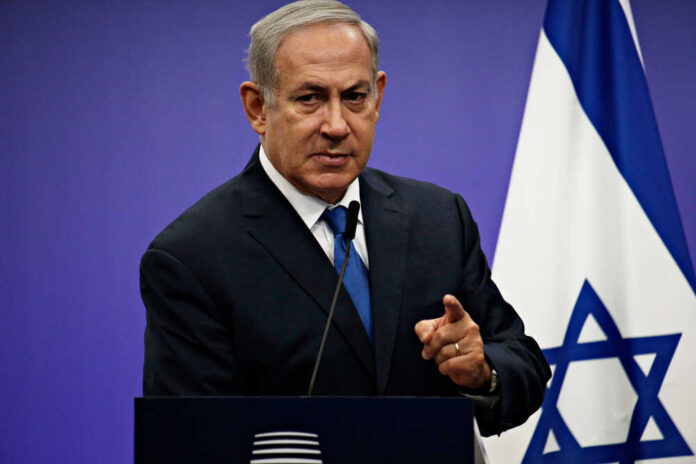
On November 30, 2025, Israeli Prime Minister Benjamin Netanyahu made a surprising move by submitting a formal pardon request to President Isaac Herzog amidst ongoing corruption trials. Netanyahu, who had previously vowed never to seek a pardon, has shifted his stance as legal pressures mount. The request, detailed in a 111-page petition, signals his recognition of limited options as his trial progresses.
Netanyahu’s decision to seek clemency is a strategic attempt to avoid the consequences of his legal battles while retaining his political influence. The request encompasses multiple legal challenges, reflecting his desire for comprehensive rehabilitation. Analysts suggest this move demonstrates a significant strategic shift, as Netanyahu aims to eliminate the need for court appearances without a full admission of guilt.
Netanyahu submitted a formal pardon request to Israel's president Herzog
He faces charges of bribery, fraud, and breach of trust From 2019 .he began the genocide in Gaza To avoid going to jail, https://t.co/DY8klCZbki pic.twitter.com/HR76lbtKG8
— Irlandarra (@aldamu_jo) November 30, 2025
President Herzog’s Decision-Making Role
President Isaac Herzog holds the authority to grant or deny Netanyahu’s pardon request, a decision bearing substantial constitutional and political weight. Herzog’s office has acknowledged the “extraordinary request,” highlighting its significant implications for Israeli governance. As Herzog evaluates the petition, he must balance constitutional powers with concerns about judicial independence.
The decision will test the separation of powers within Israel’s government and set a precedent for handling clemency requests from sitting prime ministers. Herzog’s response will be closely watched by both domestic and international observers, as it could influence perceptions of Israeli governance standards and accountability.
Implications for Israeli Politics
If granted, the pardon would allow Netanyahu to focus on governance and coalition management, potentially strengthening his political position. It would free him from legal constraints, enabling greater political maneuverability. However, this could also undermine public confidence in the accountability of high-ranking officials, raising questions about the legitimacy of executive clemency.
The outcome of this request will have far-reaching consequences for Israeli politics and governance. It highlights the ongoing tension between executive power and judicial accountability, a concern shared globally. As the Israeli public and international community await Herzog’s decision, the future of Netanyahu’s political career and Israel’s judicial processes hang in the balance.