
Two childhood friends who tortured animals as schoolboys went on to terrorize Britain’s railway network with a horrific spree of 18 rapes and three murders, exposing how early warning signs of psychopathic behavior were ignored until innocent lives were destroyed.
Story Overview
- John Duffy and David Mulcahy bonded over animal cruelty at school before becoming the Railway Killers
- Their childhood sadism included battering hedgehogs and frightening strangers on Hampstead Heath
- The duo exploited Britain’s rail network to commit 18 rapes and murder three young women in the 1980s
- Both killers lived double lives as married men while carrying out their horrific crimes
From School Bullies to Railway Predators
John Duffy and David Mulcahy first met at Haverstock Secondary School in Chalk Farm, north London, during the early 1970s. Their friendship formed around disturbing shared interests that should have raised alarm bells. Mulcahy demonstrated early psychopathic traits by brutally battering hedgehogs, while both boys engaged in bullying other students and terrorizing couples on Hampstead Heath. These acts of cruelty against animals and innocent people represented classic warning signs that experts now recognize as precursors to serial violence.
Strategic Planning Using Rail Network Access
After leaving school, both men appeared to settle into normal lives, marrying and taking respectable jobs between 1977 and 1978. Duffy secured employment as a carpenter with British Rail, giving him intimate knowledge of the railway network that would later prove instrumental in their crimes. Mulcahy worked as a plasterer, maintaining the facade of ordinary working-class respectability. This period of apparent normalcy masked their escalating violent fantasies, which culminated in their first known joint rape in Kilburn in 1982.
Reign of Terror Across Southern England
The duo launched a calculated campaign of terror targeting isolated railway stations across southern England. Between 1982 and 1986, they committed at least 18 rapes, exploiting Duffy’s knowledge of deserted stations and late-night train schedules. Their violence escalated dramatically in October 1985 when they murdered 19-year-old Alison Day, abducting her from Hackney Wick station before strangling her and dumping her body in the Lea Canal. Two more murders followed in 1986, claiming the lives of 22-year-old Maartje Noordhoorn and 15-year-old Maartje Tamboezer in Horsley, Surrey.
Justice Delayed by Misplaced Loyalty
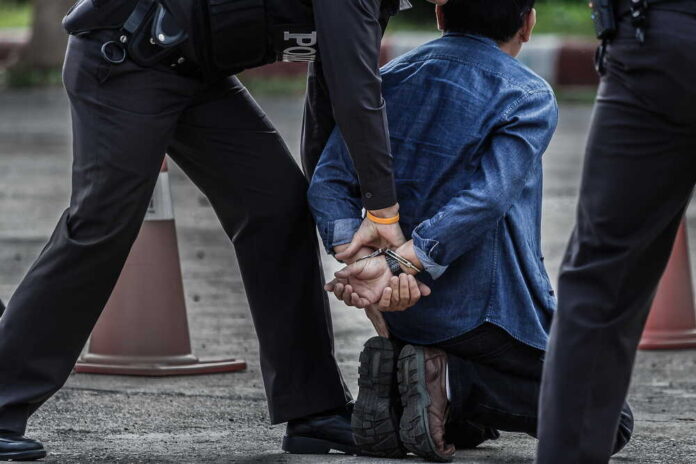
Duffy was arrested and convicted in November 1988, receiving a life sentence for two murders and multiple rapes. However, Mulcahy remained free for over a decade due to their schoolboy pledge of loyalty that prevented Duffy from implicating his accomplice. This “no-grass” pact, rooted in their twisted friendship, allowed Mulcahy to evade justice until 1999 when Duffy finally broke his silence. Mulcahy was convicted in 2001 and also received a life sentence. Both men, now in their late sixties, remain incarcerated with repeated parole applications denied due to the ongoing risk they pose.
Born to Kill?" John Duffy and David Mulcahy: The Railway Killers (TV Episode 2015) – IMDb pic.twitter.com/fdsHm44Lzg
— artisbrutal2021 (@artisbrutal2021) March 29, 2025
The Railway Killers case serves as a chilling reminder of how childhood warning signs of violence can escalate into devastating criminal careers. Their progression from animal cruelty to human predation underscores the importance of recognizing and addressing early behavioral red flags before they develop into irreversible patterns of violence that destroy innocent lives and terrorize entire communities.
Sources:
Childhood Trauma, Injuries and British Serial Killers – Murder Mile Tours
John Duffy and David Mulcahy: The Railway Rapists – Crime+Investigation UK
John Duffy and David Mulcahy – Wikipedia