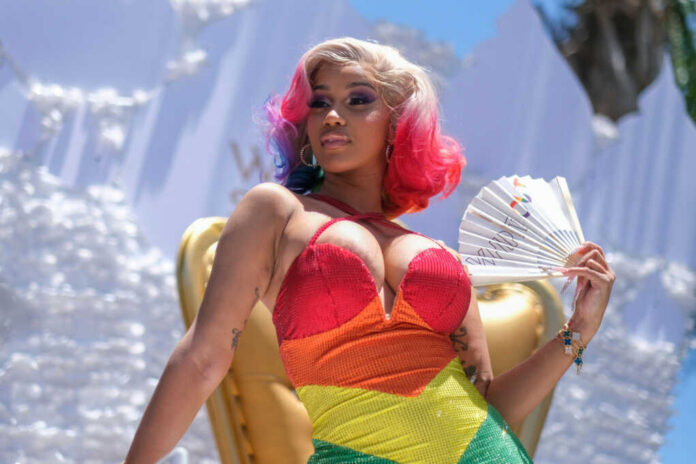
A federal law enforcement agency just fired back at a Grammy-winning rapper who threatened violence against its agents from a concert stage, and the agency’s response weaponized the artist’s own criminal confessions in a public social media showdown that reveals how far the gloves have come off in America’s immigration debate.
Story Snapshot
- Cardi B warned ICE agents from her Palm Desert concert stage that she and fans would “jump their asses” if they tried to detain attendees, threatening bear mace against federal officers.
- The Department of Homeland Security responded on X by referencing the rapper’s past admission to drugging and robbing men during her stripper days, stating they’d consider it an improvement if she didn’t drug their agents.
- The rapper deflected by invoking Jeffrey Epstein’s crimes against underage girls, asking why federal authorities won’t discuss the Epstein files instead.
- This unprecedented federal agency versus celebrity clash erupted amid heightened ICE enforcement under the Trump administration, following fatal shootings during Minnesota immigration protests.
- The exchange sets a new precedent for how government agencies engage critics on social media while highlighting the entertainment industry’s escalating anti-ICE activism.
When Concert Stages Become Political Battlegrounds
Cardi B opened her Little Miss Drama Tour on February 11 in Palm Desert, California, with more than music on her mind. Between songs celebrating her Mexican and Guatemalan fans and renditions of “La Cucaracha,” the rapper issued a stark warning to federal immigration enforcement. She promised that if ICE agents entered the venue, she would deploy bear mace and her fans would physically attack the officers. The explicit threat, delivered to roaring applause, declared that agents wouldn’t be taking her fans anywhere. The moment captured on video instantly became fodder for a national conversation about celebrity activism, federal authority, and the boundaries of protected speech.
DHS didn’t let the threat slide into the usual noise of celebrity grandstanding. The agency’s social media team fired back the next day with a pointed reference to Cardi B’s own documented criminal history. In a 2019 video that resurfaced during the exchange, the rapper admitted to drugging and robbing male clients during her years working as a stripper. DHS leveraged this confession in their response, stating they’d consider it progress if she refrained from drugging and robbing their agents compared to her documented past behavior. The clapback marked a departure from typical government restraint, signaling a willingness to engage critics with their own ammunition.
The Epstein Deflection and Escalating Rhetoric
Cardi B’s counter-response avoided addressing her past entirely, instead pivoting to demand scrutiny of Jeffrey Epstein’s associates and their crimes against underage girls. She questioned on X why authorities prioritize discussions about her history while allegedly avoiding the Epstein files. The deflection represents a classic rhetorical maneuver, attempting to shift the moral high ground by invoking more egregious crimes committed by elite figures. Yet the tactic rings hollow when the original issue remains her explicit encouragement of violence against federal law enforcement officers performing their lawful duties. The exchange devolved into mutual mudslinging rather than substantive debate about immigration policy or artist responsibility.
This confrontation didn’t emerge in a vacuum. Bad Bunny’s February 2026 Grammy acceptance speech included an “ICE out” shoutout, with multiple musicians sporting matching pins during the ceremony. Cardi B herself appeared at his Super Bowl halftime show shortly afterward, an appearance that sparked betting disputes on platforms like Kalshi over whether her presence constituted a performance. The music industry, particularly artists with significant Latin American fan bases, has coalesced around anti-ICE messaging as cultural activism. The timing coincides with the Trump administration’s renewed immigration enforcement, including an agent surge to Minnesota that preceded two protester deaths and intensified national tensions.
When Federal Agencies Enter the Social Media Arena
DHS joining a celebrity Twitter spat represents uncharted territory for federal government communications. Historically, agencies maintained institutional distance from pop culture feuds, issuing measured statements through official channels rather than engaging in social media banter. This departure suggests a strategic calculation that traditional restraint no longer serves enforcement interests when celebrities command audiences exceeding 33 million followers. The agency chose to meet cultural influence with institutional authority, gambling that publicly invoking Cardi B’s criminal admissions would resonate with Americans exhausted by lawless rhetoric dressed as activism. Whether this approach strengthens or undermines federal credibility remains debatable, but it undeniably marks a new chapter in how government responds to celebrity provocations.
The practical implications extend beyond online theater. Cardi B’s threat to mobilize fans against ICE agents, regardless of intent, crosses lines that sensible Americans recognize. Encouraging physical assault on federal officers performing statutory duties isn’t protected political speech but potential incitement. Her invocation of bear mace, a weapon that causes severe pain and temporary blindness, against law enforcement adds criminal overtones to what she may have intended as provocative performance art. ICE agents executing lawful immigration enforcement don’t deserve threats of violence, and celebrities wielding massive platforms bear responsibility for the consequences their words inspire. The rapper’s immigrant fanbase may appreciate the solidarity gesture, but no demographic benefits when public figures normalize attacks on those enforcing democratically enacted laws.
The Broader Culture War Over Immigration Enforcement
This clash illuminates America’s fractured consensus on immigration policy and the role celebrities play in shaping public discourse. The entertainment industry increasingly positions ICE as an inherently illegitimate force rather than officers executing Congressional mandates. This framing ignores the distinction between opposing specific policies through democratic channels and demonizing enforcement personnel as targets for mob violence. Bad Bunny’s Grammy platform, Cardi B’s tour rhetoric, and coordinated “ICE out” messaging reflect an industry-wide campaign that conflates border security with human rights violations. Conservative Americans watching this spectacle recognize the difference between compassionate immigration reform and encouraging lawlessness, between advocating for policy changes and threatening federal agents with bear mace and physical assault from concert crowds.
Cardi B’s tour continues through spring 2026 with stops including Minneapolis in March and Atlanta in April. Whether she moderates her rhetoric or doubles down remains uncertain, but DHS has established it won’t ignore threats against its personnel regardless of the source’s celebrity status. The exchange has already boosted tour publicity while polarizing social media, demonstrating that controversy remains profitable even when it invites federal scrutiny. Long-term, this incident cements the precedent that agencies will defend their agents in the court of public opinion using whatever factual ammunition critics provide through their own admissions. The music industry’s anti-ICE activism now faces pushback from institutions with long memories and access to public records, transforming what artists may have viewed as consequence-free virtue signaling into genuine accountability moments that expose their own hypocrisies.
Sources:
The Independent: Cardi B and Homeland Security Clash Over ICE Comments at Tour Launch
Fox News: Cardi B Issues Warning to ICE at California Concert