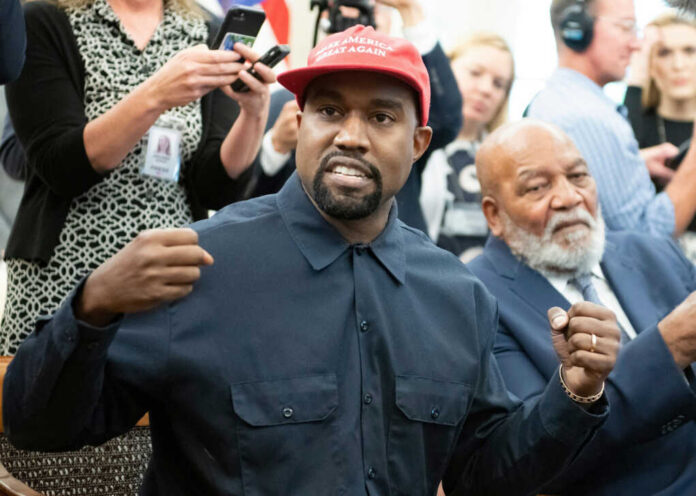
France’s push to block a Kanye West concert is turning a city-owned stadium into a test case for whether government can stop a show without trampling basic freedoms.
Quick Take
- Marseille’s Socialist mayor says Kanye West is “not welcome” at a June 11 concert at the city-owned Orange Vélodrome, citing past antisemitic and pro-Nazi statements.
- The organizer, Mars 360, says it built contract clauses aimed at preventing illegal remarks, highlighting the legal tightrope around bans in France.
- Jewish community leaders in Marseille are publicly urging cancellation, pointing to the city’s World War II history and the risk of normalizing hate.
- French law generally requires a concrete public-order or criminal-risk basis for bans, meaning politics and principle will collide in any attempt to shut the event down.
Marseille’s mayor draws a red line at a city-owned venue
Marseille Mayor Benoit Payan says Kanye West (Ye) should not perform at the Orange Vélodrome on June 11, arguing the city should not provide a platform for hatred and what he described as “unabashed Nazism.” The key detail is ownership: the stadium is city-owned, putting local government in the middle of an entertainment decision. As of the latest reporting, tickets were not yet on sale and no official ban had been announced.
West’s scheduled Marseille date is described as his only stop in France on a tour tied to his album Bully, released March 20, 2026. The mayor’s opposition erupted publicly after the concert announcement, with his comments quickly amplifying into a broader debate about whether civic institutions should host controversial figures. Even for readers skeptical of European speech rules, the practical question is simple: who decides what a public venue will endorse?
Why the backlash centers on antisemitism—and why Marseille is sensitive
The opposition is rooted in West’s record of antisemitic outbursts, including earlier posts and remarks that triggered widespread condemnation and professional blowback. In Marseille, that history intersects with local memory: Jewish leaders and supporters of cancellation argue the city’s past, including Nazi-era roundups in 1943, makes hosting the concert uniquely provocative. That appeal is not about taste; it is about whether allowing the performance would signal that public authorities tolerate rhetoric that many residents view as dehumanizing.
CRIF leaders in Marseille echoed the mayor’s demand, calling for the show to be stopped and framing the issue as preventing normalization of hate. Those calls also show how cultural controversies can become political leverage, especially in a diverse city where public order is a constant concern. For conservatives watching from the U.S., the cultural fight feels familiar: institutions claim neutrality, then discover that “neutral” decisions—like renting a stadium—still communicate values to the public.
French legal limits make “just ban it” harder than it sounds
French authorities cannot simply cancel performances on a whim; reporting notes that bans are typically constrained to cases where officials can point to risks of criminal offenses or serious threats to public order, a standard shaped by France’s highest administrative court. That sets up a tension: critics want a preemptive barrier to any repeat of illegal hate speech, while organizers argue that preventive compliance measures should be enough to proceed without collective punishment for past conduct.
Mars 360, the organizer, says its contract includes clauses intended to ensure compliance with French law, effectively promising that the event will not become a vehicle for unlawful statements. That approach reflects a more procedural solution than a blanket ban, but it also raises an accountability question: if the state is worried about violations, can it rely on private contracts and after-the-fact enforcement? The available reporting does not describe specific enforcement mechanisms beyond the existence of those clauses.
Politics, precedent, and the larger trust problem with government
The dispute lands in a climate where many voters—left and right—already doubt that government decisions are consistent or principled. City leaders argue they are defending civic values; opponents of bans warn about arbitrary power over speech and assembly, especially when the venue is publicly owned. The reporting also notes political context, with local political actors weighing in as elections approach, which can sharpen cynicism about whether officials are motivated by public safety, moral clarity, or optics.
BREAKING – French minister seeks ban of Kanye West concert in Marseille: source https://t.co/EDQKWlkwQk
— Insider Paper (@TheInsiderPaper) April 14, 2026
For Americans, the takeaway is less about one artist and more about a recurring Western dilemma: when government controls key public spaces, “deplatforming” becomes a state action, not just a private choice. The facts available so far show strong opposition but no final decision, leaving the core question unresolved—will French authorities find a legally durable way to block the event, or will they insist on narrow, enforceable standards that protect order without expanding government censorship?
Sources:
Marseille mayor opposes Kanye West gig over ‘unabashed Nazism’
Mayor of Marseille Says Kanye West Not Welcome to Perform at Scheduled Concert in June