Iran’s “shadow banking” lifeline is facing a new squeeze as the Trump Treasury claims Gulf allies have stopped looking the other way.
Quick Take
- Treasury Secretary Scott Bessent says Iran’s recent strikes on Gulf neighbors triggered rare GCC cooperation on financial transparency.
- The administration is expanding sanctions meant to track and freeze Iranian funds and target IRGC-linked assets across borders.
- Washington is again warning of secondary sanctions on oil buyers and facilitators, a direct threat to the revenue Iran relies on most.
- Iran’s internal economic crisis—rial collapse, inflation, and protests—creates pressure, but casualty figures remain disputed and hard to verify.
Gulf cooperation is the key shift behind the new sanctions push
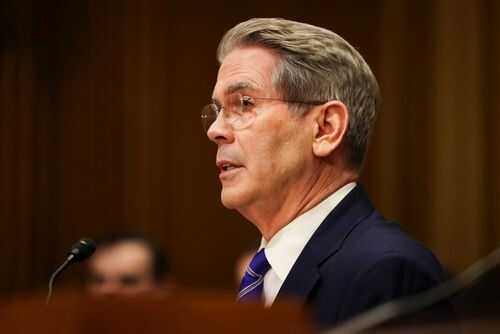
U.S. Treasury Secretary Scott Bessent’s latest sanctions messaging centers on one practical advantage: tighter alignment with Gulf Cooperation Council states after Iranian attacks on Gulf neighbors. According to reporting on Bessent’s remarks, GCC governments that once tolerated opaque regional finance are now more willing to share banking information that can help the U.S. identify accounts, intercept transfers, and freeze assets. That cooperation is being framed as Iran’s “fatal mistake” in escalating regionally.
For American audiences used to hearing about “maximum pressure” in abstract terms, the significance is that enforcement usually fails at the seams—front companies, middlemen, and permissive jurisdictions. If Gulf financial hubs provide more data and faster compliance, the U.S. gains a clearer map of how money moves from oil sales into proxy networks and regime-linked entities. That is the operational logic behind the “economic statecraft” language coming from Treasury.
Secondary sanctions put China-facing oil revenue at the center of the fight
The biggest leverage point remains Iran’s ability to sell oil and access hard currency. Reporting and analysis describe how sanctions aim to create a dollar shortage by threatening penalties for entities that buy Iranian oil or facilitate payments. Iran has historically relied on workarounds—informal channels, intermediary traders, and funds held abroad—especially tied to Chinese purchases. The administration’s renewed warning is that those workarounds could now trigger broader penalties.
This matters beyond geopolitics because secondary sanctions are a blunt instrument that relies on U.S. dominance in global finance. When the Treasury credibly signals it will target facilitators—not just Iranian entities—it raises the compliance cost for banks, shippers, insurers, and commodity traders. For conservatives who prefer non-kinetic tools over open-ended wars, this approach is designed to pressure regime decision-making without deploying U.S. troops, while still signaling consequences for regional aggression.
Iran’s economic breakdown fuels unrest, but the human toll is hard to pin down
Multiple outlets describe Iran entering a severe currency and banking crisis beginning in late 2025, with the rial sliding and inflation spiking amid protests. A key limitation for readers trying to gauge “how close” Iran is to collapse is verification: reported protest-death estimates vary widely, and the Iranian government’s opacity makes independent confirmation difficult. What is clearer from the available reporting is the sequence—financial stress, public unrest, and heavier crackdowns.
That uncertainty should temper sensational narratives. Economic pressure can weaken a regime and raise the cost of repression, but it does not automatically produce a political endgame. Past sanctions episodes show that authoritarian governments often attempt to shift pain onto ordinary citizens while protecting security services. The available analysis also suggests Iran may resist any deal it views as threatening regime survival, even as sanctions tighten and the economy deteriorates.
Targeting IRGC-linked wealth raises the stakes—and invites escalation risks
Recent reports highlight claims that Iranian elites and IRGC-connected figures are moving large sums out of the country and that U.S. officials are trying to track and intercept those flows. If accurate, the dynamic fits a familiar pattern: when a system feels unstable, insiders prioritize personal escape routes. Still, public reporting cannot independently verify exact volumes of money leaving Iran, so readers should treat specific dollar figures cautiously while watching for corroboration.
The broader strategic risk is that financial warfare and military brinkmanship can blur together, especially around oil shipping lanes and Gulf security. With the administration signaling both expanded sanctions and readiness to punish further aggression, markets and allies will be watching for signs of miscalculation. The immediate test for Washington is whether tighter Gulf cooperation actually produces measurable interdictions—frozen assets, disrupted networks, and reduced oil receipts—rather than headline pressure alone.
Bessent Delivers Another Powerful Blow to Iran – Reveals What May Be Their 'Fatal Mistake'https://t.co/boMB8oyQGz
— RedState (@RedState) April 16, 2026
For Americans skeptical of “deep state” inertia, the sanctions story is also a governance test: enforcement has to be consistent, transparent in its objectives, and realistic about outcomes. The most defensible takeaway from the current reporting is not that Iran is finished, but that the U.S. believes Iran’s regional attacks created an opening—Gulf states cooperating more fully—that could make sanctions harder to evade than in previous rounds.
Sources:
Checkmate for Tehran? US Treasury Moves to Sever Iran’s Banking Ties
Iran economic sanctions and currency: what to know about Bessent, Trump and pressure on Tehran
Report: Iran faces economic collapse as protests rage and Trump signals escalation