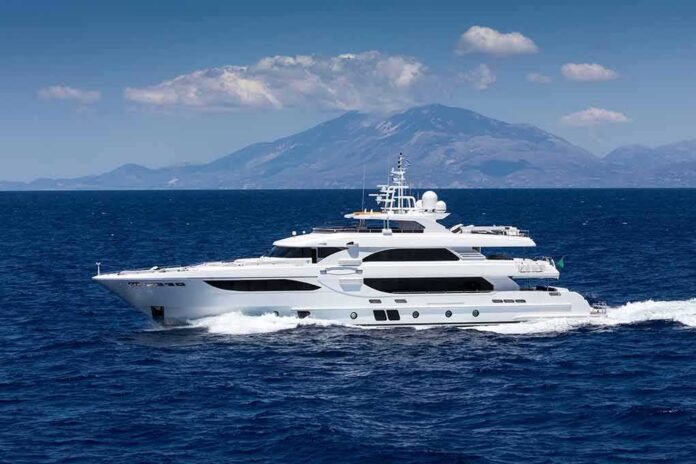
A Coast Guard assistance call went unanswered by Mark Zuckerberg’s yacht because the crew says they were on a different radio channel, sparking a firestorm over duty and decency on the water.
Story Highlights
- Zuckerberg’s spokesperson says the yacht crew did not hear the initial Coast Guard assistance call.
- The crew later saw the message on another channel after a different ship began helping.
- The Coast Guard categorized the episode as an assistance request, not a distress rescue.
- Public anger rose fast online, fueled by the image of a luxury yacht near a stranded skiff.
Spokesperson Explains Missed Call And Timing
Brian Baker, spokesperson for Mark Zuckerberg and Priscilla Chan, said the Launchpad crew did not hear the Coast Guard’s first assistance broadcast because they were monitoring a different radio channel. He said the crew reviewed the message later and saw that another vessel had already begun helping the stranded skiff, which had run out of fuel off Alaska. Baker also said Zuckerberg was not on board at the time of the incident and that no one was harmed.
Reports from regional outlets echoed that account, noting the key point that the call was for assistance, not a formal distress rescue. That distinction matters at sea because it shapes who must respond and how quickly. Coverage said a nearby small cruise ship moved to help once the request went out, while the luxury yacht did not answer the first broadcast. The spokesperson’s version stressed there was no deliberate refusal and that aid was already on scene when Launchpad became aware.
What The Coast Guard Category Means At Sea
Maritime responses depend on what the United States Coast Guard labels the situation and which radio channel carries the message. Observers online cited ship-track data and Coast Guard statements to argue the event happened as described, but that it was a non-distress assist. That means failing to respond may look cold, yet it is not the same as ignoring a mayday. The classification helps explain why another vessel handled it and why no criminal issue was raised.
Many readers miss these fine points because social posts often reduce terms like “assistance” and “distress” to the same thing. In practice, the difference is real. A mayday calls for immediate help from any nearby ship. An assistance request can be handled by the closest safe and capable vessel, or by a commercial tow, or by the Coast Guard if needed. Here, the cruise ship helped the skiff that had no fuel, and the situation ended without injury or loss.
Public Backlash, Perception, And Basic Maritime Norms
Online critics focused on the image of a billion-dollar yacht near a small boat in need and assumed indifference. That fast spread matched a common pattern: a simple claim travels far, while the technical fix comes later. Some posts accused the crew of ignoring the emergency channel, while others noted the category was assistance, not distress. The spokesperson’s reply aimed to counter the moral sting by pointing to channel monitoring, timing, and the fact aid was already underway.
A cruise ship full of people booed Mark Zuckerberg after his $300 million yacht passed a stranded boat in Alaska and didn't stop pic.twitter.com/kDM7p2F9jW
— Thought Catalog (@ThoughtCatalog) August 11, 2026
For conservative readers, two truths can stand together. First, every mariner should uphold the duty to render aid when lives are at risk. Second, facts and process still matter. The Coast Guard’s label, the radio channel in use, and the real-time handoff to a capable ship all shaped what happened. The crew says they did not hear the first broadcast, saw it later, and found another vessel already helping. That is a narrow, factual account—not a defense of elitism, but a record of the event.
Sources:
washingtontimes.com, aljazeera.com, charlotteobserver.com, cbc.ca, yahoo.com