Top Iranian leaders are warning their economy is buckling, admitting hunger and stalled growth could break the regime’s grip.
Story Highlights
- Iran’s parliament speaker warned the regime “will not endure” if hunger and economic collapse persist.
- Iran’s president called the conflict a “full-scale economic, military and security war” with the United States.
- Reports say Tehran fears more pressure could trigger unrest and weaken its legitimacy.
- Analysts report deep recession, soaring inflation, and a currency at record lows.
Iranian Leaders Link Survival To Bread-And-Butter Economics
Mohammad Bagher Ghalibaf, Iran’s parliament speaker, tied the regime’s survival to food, jobs, and production. He said military strength is useless if people are hungry and the economy stalls, warning, “we will not endure” under those conditions. His blunt point cut through years of defiance. It was not about tanks or missiles. It was about empty wallets and empty shelves. That message matters because it shows top officials know daily pain threatens their rule.
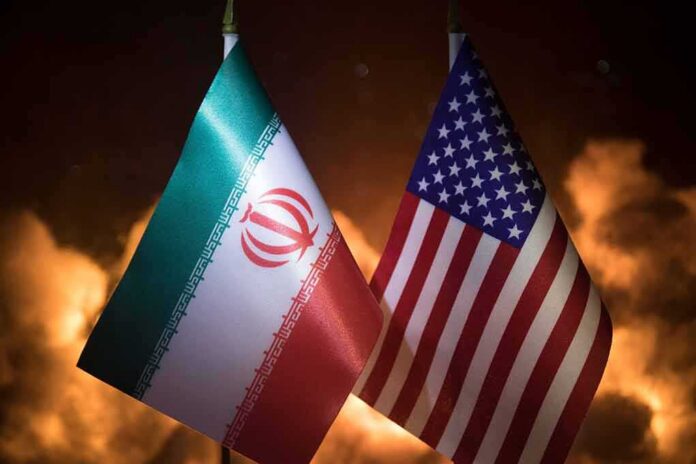
President Masoud Pezeshkian described the moment as a “full-scale economic, military and security war” with the United States. He urged ending the war “from a position of power and dignity,” signaling urgency for a way out that protects face and calms markets. That framing tries to square two goals: hold the line abroad while easing pressure at home. It also shows Tehran is watching the clock as its finances strain under tighter enforcement and reduced oil sales.
Pressure Campaign Bites As Recession, Inflation, And Currency Slide Deepen
Independent reporting says Iran’s economy faces a sharp contraction, runaway prices, and a plunging currency. Analysts cited an expected economic shrinkage above five percent, inflation near eighty percent, and the rial at record lows against the dollar. Those numbers explain why leaders are sounding alarms. When wages cannot buy basics, anger grows. When savings die, trust erodes. That mix often drives protests. It also forces rulers to choose between guns and butter.
Key figures in Tehran fear more sanctions and isolation could spark unrest and damage the state’s legitimacy, according to wire reporting from mid-August. Some officials who manage the economy have warned the stability risk is real and urged moves to cut war costs, according to expert summaries of their statements. That concern tracks with history: pressure can rally elites for a time, but long slumps drain public patience. Leaders know that street anger can outrun propaganda.
War Rhetoric Meets Kitchen-Table Reality
Iran’s leaders cast sanctions as “economic war,” but they also promise to fix prices and jobs. State media quoted vows to reduce inflation and solve people’s problems, showing the regime feels heat at home. Mohsen Rezaee, a senior official, even warned that if the economic fight drags on, Iran might ship “not a single drop of oil,” a threat that underscores how severe they see the standoff. Such words aim to deter rivals, yet they also reveal fear over dwindling options.
Treasury Sec Bessent Declares ‘Economic D-Day’ Against Iran is Underway: ‘We Are Entering the Endgame.’
Treasury Secretary Scott Bessent has declared the “single greatest financial offensive ever marshaled” underway as of Monday morning, targeting Iran and its “enablers.”
PULSE… pic.twitter.com/fKecbZRit8
— The National Pulse (@TheNatPulse) August 24, 2026
This clash fits a pattern: Tehran brands pressure as siege to rally support, even as data point to real pain. Reports say the regime worries that tougher measures could push protests back into the streets and expose a brittle economy. Ghalibaf’s remark about hunger and collapse cut through the spin. For Americans, the lesson is simple. Economic strength and energy security are national power. When a hostile regime’s cash dries up, its threats shrink, and its grip weakens.
Sources:
redstate.com, fortune.com, abcnews.com, aljazeera.com, iranintl.com, euronews.com, cnn.com