

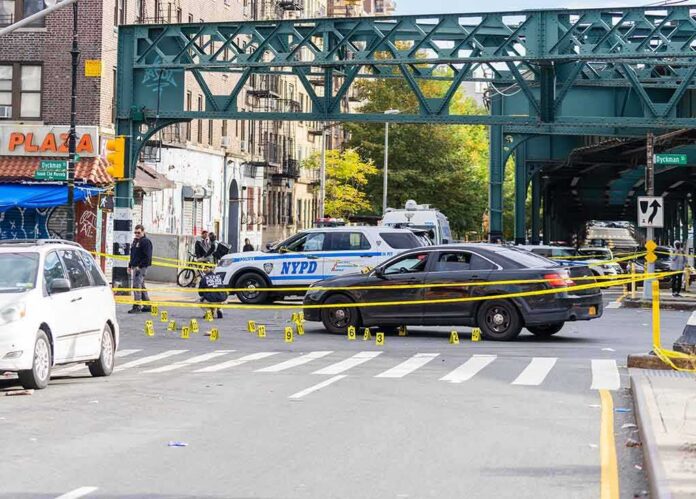
In the Fortune homicide investigation, Jackson police have moved from a single arrest to a multi-suspect case: a second man has been charged with murder, a third is being sought on a warrant, and the department says more arrests may follow.
At a Glance
- Jackson police arrested and charged 25-year-old Earnest Lloyd Jr. with murder in the death of 29-year-old Tasia Fortune; he pleaded not guilty and was denied bond.
- Lloyd is the second person charged; 51-year-old Jarques (variant spellings in reports) Ratliff was arrested on September 11 on a murder charge in the same case.
- Police say the investigation remains active and have obtained a warrant for a third suspect; additional arrests are anticipated.
- Fortune was found in a hanging position behind a vacant home in Jackson on August 3; the medical examiner classified the death as a homicide.
What Police Have Established So Far
Jackson police announced the arrest of 25-year-old Earnest Lloyd Jr., taken into custody on September 22 and charged with murder in the death of Tasia Fortune. At his initial court appearance the next day, Lloyd entered a not-guilty plea and was denied bond, according to local court reporting and broadcast coverage. This arrest follows the September 11 arrest of 51-year-old Ratliff, who is also charged with murder in the same case and has pleaded not guilty, establishing a clear investigative progression from one suspect to multiple.
The department has characterized the case as active and multi-suspect. Police leaders have publicly stated that additional arrests are possible and that a warrant has been obtained for a third individual; the U.S. Marshals Service has been asked to assist in locating that person, underscoring that the inquiry extends beyond the two charged defendants.
The Known Timeline and Scene Details
Fortune, 29, was discovered on August 3 behind a vacant or abandoned home on Road of Remembrance in Jackson. Police have consistently said she was found in a hanging position. After initial investigative steps and interviews—local reports cite approximately 15—authorities pursued the case as a homicide pending the state medical examiner’s ruling; that ruling has since classified the death as a homicide, aligning with the department’s treatment from the outset.
Between the August discovery and late September, police secured first the arrest of Ratliff and then Lloyd, with court appearances following standard procedure: charging, initial appearance, plea entry, and bond determinations. While some reports and transcripts reflect variations in the spelling of Ratliff’s given name, they refer to the same September 11 arrestee charged with murder in Fortune’s death.
What Remains Unspecified in the Public Record
While the arrests and charges are a matter of public record, the evidentiary basis tying Lloyd to Fortune’s death has not been detailed in the reporting available to date; outlets have not published affidavits, probable-cause statements, or forensic summaries spelling out the linkage. Police leaders have also declined to specify the mechanism of death; they have maintained the more conservative formulation that Fortune was found “in a hanging position,” even as the medical examiner ruled the case a homicide.
The relationship, if any, among the two charged men, Fortune, and the unnamed third suspect has not been disclosed. There is also some inconsistency across outlets about the total number of implicated individuals—some refer to a third suspect with a warrant, while one report references “three other co-defendants”—but what is consistent is that police anticipate further action beyond the two arrests already made.
Mississippi police make second arrest in death of Black woman found hanging from tree, seeking third suspect
Jackson police said late Tuesday that they arrested 25-year-old Earnest Lloyd Jr. in the death of 29-year-old Tasia Fortune, whose body was found hanging behind an…
1/2 pic.twitter.com/srY668JuNZ— ˶˃ News Reader Cat 📰🗞️NO DMs˂˶ (@typocatCAv2) September 24, 2026
How This Case Fits the Pattern of Homicide Coverage
High-profile homicide investigations often play out in public through incremental police announcements and court milestones before the underlying affidavits and forensic files become available for scrutiny. That dynamic is visible here: the case’s narrative in the public square is built on arrests, charge language, a homicide ruling, and brief courtroom moments, not yet on detailed evidentiary disclosures. In such settings, media framing and audience priors can do more work than the record supports—particularly when race, location, or unusual circumstances shape the perceived meaning of the crime. National and academic reviews of crime coverage have documented that attention and framing vary with the victim’s race and the case’s perceived unusualness, with Black homicide victims historically receiving less sustained, humanizing coverage than white victims and with narrative templates often filling gaps while records remain sealed or incomplete.
What Comes Next Procedurally
From here, the case moves through familiar steps. Prosecutors will present probable cause at preliminary hearings or to a grand jury; defense counsel will press for discovery, including autopsy findings, scene documentation, and any digital or forensic evidence. If police secure the third suspect named in the warrant, the charging landscape may evolve further. Pretrial litigation is often where the evidentiary spine—cell-site data, witness statements, DNA or trace findings, communications records—enters the public record in motions and hearings. Until then, the firm public facts are these: Fortune’s death has been ruled a homicide; two men, Ratliff and Lloyd, are charged with murder and have pleaded not guilty; bond was denied for Lloyd; and police describe the investigation as active, with additional arrests anticipated.
Sources:
people.com, huffpost.com, wlbt.com, newsbreak.com, theguardian.com, jackson.binnews.com, apnews.com, usatoday.com, abcnews.com