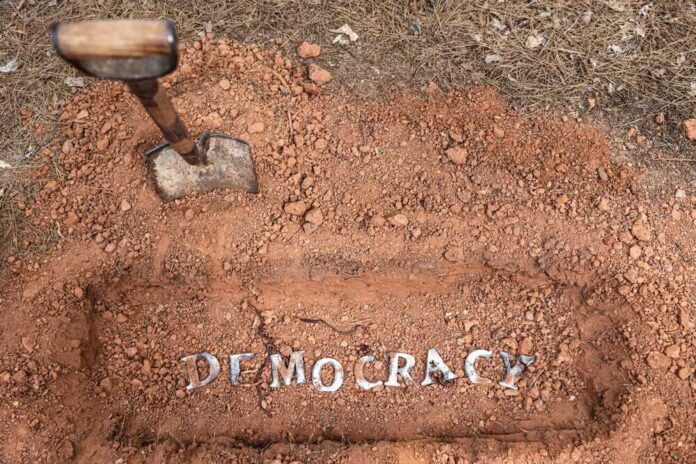
Viktor Orbán’s recent push for “peace” raises eyebrows as critics question the sincerity of a leader long accused of eroding democracy.
Story Highlights
- Orbán, often labeled a “threat to democracy,” seeks reconciliation with opposition.
- EU sanctions and internal pressures may be driving this shift.
- Skepticism remains about the sincerity of Orbán’s peace overtures.
- Democratic institutions in Hungary continue to face significant challenges.
Orbán’s Tactical Shift Amid External Pressure
In a move that has surprised many, Viktor Orbán, Hungary’s long-standing Prime Minister, is signaling a shift towards political reconciliation. This is particularly noteworthy given his track record of consolidating power and undermining democratic institutions. External pressures, notably from the European Union, which has suspended payments to Hungary due to rule-of-law violations, are believed to be significant motivators behind this tactical shift.
Observers suggest that Orbán’s recent overtures to opposition parties and civil society could be an attempt to alleviate the financial and reputational pressures he faces. However, the sincerity of these efforts is questioned by domestic critics and international watchdogs who have long viewed Orbán’s government as a model of “stealth authoritarianism.”
🔥And as the Kremlin scrambles, the EU is shifting.
🇭🇺 Hungary — long Putin’s veto — just made a U-turn.
Orbán dropped his opposition to the EU ban on Russian LNG, signaling that even Moscow’s last friends in Europe are hedging their bets.20/23 pic.twitter.com/Bo6EKgp0xg
— 𝐀𝐧𝐧𝐚 𝐊𝐎𝐌𝐒𝐀 | 🇪🇺🇫🇷🇵🇱🇺🇦 (@tweet4Anna_NAFO) October 9, 2025
Domestic and International Reactions
Reactions to Orbán’s peace gestures are mixed. While some view it as a pragmatic response to the mounting domestic unrest and economic challenges, others fear that these moves are merely cosmetic. The Fidesz Party, led by Orbán, continues to dominate Hungary’s political landscape, having systematically weakened opposing voices through legal and media controls.
The European Union, while cautiously optimistic, remains vigilant. EU officials have emphasized the importance of genuine democratic reforms rather than superficial changes. Hungary’s position as an EU member adds to the complexity, as the bloc grapples with ensuring democratic integrity amongst its members.
The Road Ahead for Hungary
The prospect of easing EU sanctions hangs on the credibility of Orbán’s reconciliation efforts. However, the broader concern lies in whether these efforts signal a true democratic revival or a temporary maneuver to consolidate power ahead of the 2026 elections. The threat of further democratic erosion looms large if structural issues remain unaddressed.
For Hungary’s citizens, the impacts are profound. Legal restrictions continue to challenge political freedoms, while NGOs and independent media face operational hurdles. The economic strain from EU funding cuts exacerbates these issues, highlighting the need for substantive change. Whether Orbán’s latest actions are the beginning of genuine reform or merely a strategic ploy remains to be seen.
Sources:
How to Erode a Democracy: Hungary’s Illiberal Turn Under Orbán
Civil Rights Defenders on Orbán
Hungary Bill Threatens to Eviscerate Democracy
Freedom House: Hungary’s Status