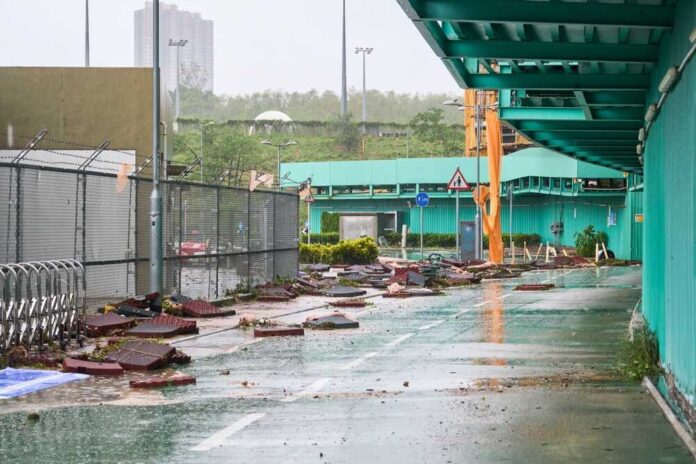
Super Typhoon Uwan, known internationally as Typhoon Fung-wong, prompted mandatory evacuations for over 1.1 million people in the Philippines, following a previous storm that caused more than 200 deaths earlier in the week.
Story Snapshot
- Super Typhoon Uwan forces evacuation of over 1.1 million people across Luzon and Visayas
- Philippines endures second major typhoon within one week after previous storm killed 200+
- 386 flights cancelled while five dams open floodgates as precautionary measure
- Storm causes immediate casualties with 2 dead and 3 injured as of November 9
Consecutive Disasters Overwhelm Philippine Infrastructure
Super Typhoon Uwan made landfall in Aurora, Luzon on November 9, 2025, as the 13th typhoon of the Pacific season. The Philippine Atmospheric, Geophysical and Astronomical Services Administration (PAGASA) classified it as a super typhoon, prompting mass evacuations across 41 provinces, including Metro Manila. The storm compounded ongoing relief efforts following the earlier typhoon, requiring coordinated response from national and local authorities.
Philippine officials suspended classes, government operations, and transportation services nationwide as a precaution. The Philippine Coast Guard placed all units on full alert and closed major ports. Flight cancellations included 325 domestic routes and 61 international routes, leaving thousands of passengers stranded. Five dams in Luzon opened their floodgates to mitigate potential flooding, reflecting extensive precautionary measures.
Million-Person Evacuation Highlights Storm Severity
Authorities issued evacuation orders for over 1.1 million residents in high-risk areas of Luzon and Visayas. The Archdiocese of Manila called for additional shelter assistance for homeless populations. Local government units coordinated with national agencies to manage emergency shelters and maintain essential supplies. The storm’s rapid intensification, forming northeast of Chuuk on November 3, left limited preparation time for residents and emergency responders.
Climate Change Intensifies Regional Storm Patterns
According to PAGASA and climate scientists, increasing storm intensity and frequency in the Pacific typhoon belt are consistent with projections related to climate change. The Philippines’ geographic position makes it particularly vulnerable to these extreme weather patterns. Super Typhoon Uwan follows recent major typhoons, including Typhoon Goni in 2020 and Typhoon Noru in 2022, highlighting repeated impacts on vulnerable regions.
Back-to-back typhoons within a week strain disaster management systems, disrupt aviation and shipping operations, and cause prolonged school and business closures. Infrastructure damage and economic losses may affect long-term recovery for communities with limited resources.
Super typhoon threatens the Philippines, still reeling from recent storm that killed more than 200 https://t.co/NampKNComa
— CTV News (@CTVNews) November 9, 2025
Sources:
Typhoon Fung-wong (2025) – Wikipedia