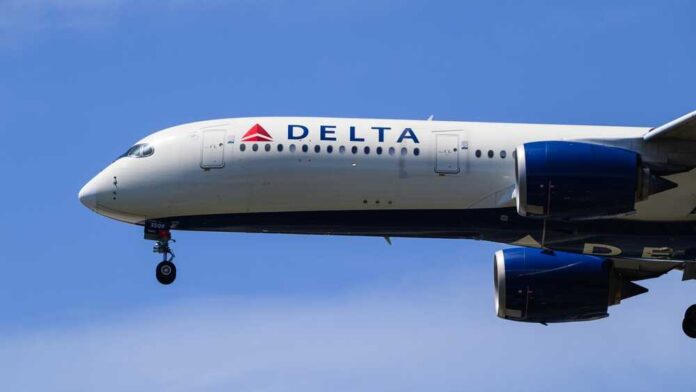
Delta’s decision to replace hundreds of engine parts comes after severe health risks from toxic cabin fumes were revealed, raising questions about airline safety standards.
Story Highlights
- Delta Air Lines initiates a major replacement program for the Airbus fleet due to toxic fume leaks.
- Fume leaks have resulted in brain injuries among passengers and crew, raising health concerns.
- The aviation industry faces scrutiny for downplaying the severity of fume events.
- Delta’s program could set a precedent for industry-wide safety upgrades.
Delta’s Response to Health Concerns
Delta Air Lines has announced a significant replacement program for auxiliary power units (APUs) and related engine parts across its Airbus fleet. This decision follows reports of toxic fumes leaking into cabins, causing brain injuries among passengers and crew. The leaks, traced to oil fumes entering the cabin air system, have been a long-standing issue, prompting Delta to act decisively to ensure passenger and crew safety.
Delta’s proactive approach includes working closely with Airbus and regulatory bodies to address these safety concerns. While Airbus has not issued an official recall, it is collaborating with Delta to rectify the situation. The replacement program prioritizes aircraft with the highest risk profiles, indicating Delta’s commitment to mitigating health risks and restoring public confidence in their operations.
Delta to replace hundreds of engine parts after passengers, crew suffer brain injuries from toxic fume leaks https://t.co/eus5W2y1PY pic.twitter.com/MFD2Lc2Xgv
— New York Post (@nypost) September 25, 2025
Historical Context of Fume Events
The aviation industry has faced sporadic reports of “fume events” for decades, where oil or hydraulic fluid leaks into the cabin air supply. Despite growing evidence linking these events to neurological symptoms, including brain injuries, the industry has often downplayed their severity. Delta’s recent actions highlight a shift towards greater accountability and transparency in addressing these health risks.
Past incidents have involved other airlines globally, but large-scale fleet-wide part replacements, such as Delta’s current program, remain rare. This move may set a precedent, encouraging other airlines to inspect and upgrade their fleets, potentially leading to new industry standards for cabin air quality.
Implications for the Aviation Industry
The short-term implications for Delta include operational disruptions and potential legal liabilities due to the increased maintenance costs. However, in the long term, this program could lead to improved safety standards across the industry. By addressing these issues, Delta not only aims to protect its passengers and crew but also to preserve public trust in air travel safety.
The broader impact of Delta’s actions will likely involve heightened awareness of aviation health risks and increased regulatory scrutiny. As the industry grapples with these challenges, Delta’s leadership in addressing such a critical issue may prompt legislative action to enforce stricter safety measures, ultimately benefiting the flying public.
Sources:
Simple Flying: Delta To Replace APUs on Airbus Jets In Wake Of Toxic Fume Issues