A deadly explosion ripped through a Bucharest apartment building, exposing the dangerous legacy of communist-era infrastructure that European authorities have neglected for decades.
Story Summary
- Three killed and 13 injured in powerful blast at eight-story Bucharest apartment building
- Explosion devastated fifth and sixth floors, threatening entire building collapse
- Communist-era construction and aging gas infrastructure likely contributed to tragedy
- Emergency response highlights ongoing safety crisis in Eastern European housing
Deadly Blast Strikes Bucharest Residential Complex
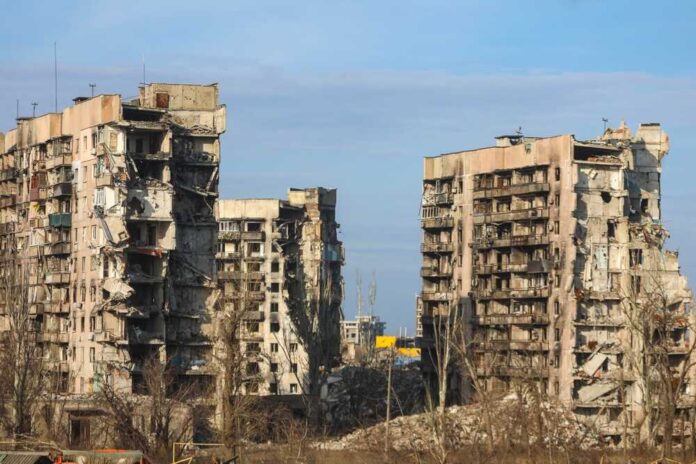
On October 17, 2025, a powerful explosion tore through an eight-story apartment building on Calea Rahovei in Sector 5, Bucharest, killing three residents and injuring at least thirteen others. The blast completely devastated the fifth and sixth floors of the communist-era structure, forcing emergency evacuations and triggering fears of total building collapse. Romanian emergency services immediately cordoned off the area and shut down gas supplies as a precautionary measure while rescue operations continued throughout the day.
Communist-Era Infrastructure Creates Safety Nightmare
The tragic incident exposes the dangerous reality facing millions of Eastern Europeans living in rapidly constructed communist-era apartment blocks. Many of these buildings, constructed during Romania’s socialist era, include gas and electrical systems that no longer meet current EU safety standards, according to a 2024 Romanian Energy Regulatory Authority (ANRE) report. State Secretary Raed Arafat from Romania’s Ministry of Internal Affairs described the explosion as ‘serious’ and emphasized the long-term structural risks linked to deferred maintenance in high-density residential areas across Eastern Europe.
Emergency Response Reveals Systemic Vulnerabilities
Romanian emergency services, including the Inspectorate for Emergency Situations, deployed significant resources to evacuate residents and search for survivors trapped in the wreckage. Structural engineers immediately assessed the building’s stability while firefighters and paramedics worked to secure the scene. The swift response by emergency teams reflected Romania’s enhanced disaster management readiness, though experts such as structural engineer Dr. Mircea Iliescu of Bucharest Polytechnic University, notes that outdated gas infrastructure still poses public safety challenges. The building remains evacuated as investigators work to determine the exact cause of the explosion.
Powerful blast at apartment building in Romania’s capital kills 3 and injures at least 13 https://t.co/uW7fQEesqq
— CTV News (@CTVNews) October 17, 2025
Broader Implications for European Safety Standards
Urban safety analysts across the EU warn that many post-war residential blocks, particularly in Eastern Europe, face rising structural and utility risks unless modernization efforts accelerate, according to the European Safety Observatory. Romania has experienced multiple gas-related explosions in residential buildings over the past decade, typically attributed to faulty installations and inadequate maintenance protocols. The incident will likely prompt stricter safety regulations and increased scrutiny of gas and utility infrastructure nationwide. European authorities must prioritize infrastructure modernization over climate activism and bureaucratic expansion to prevent future catastrophes in vulnerable communities.
Sources:
At least three killed and 13 injured in explosion at Romania apartment block