Iran dangles lucrative oil deals and sanctions relief to lure President Trump into weakening America’s maximum pressure campaign against its nuclear ambitions.
Story Snapshot
- President Trump issues a 10-15 day ultimatum demanding Iran halt uranium enrichment, amid ongoing indirect talks in Oman and Geneva.
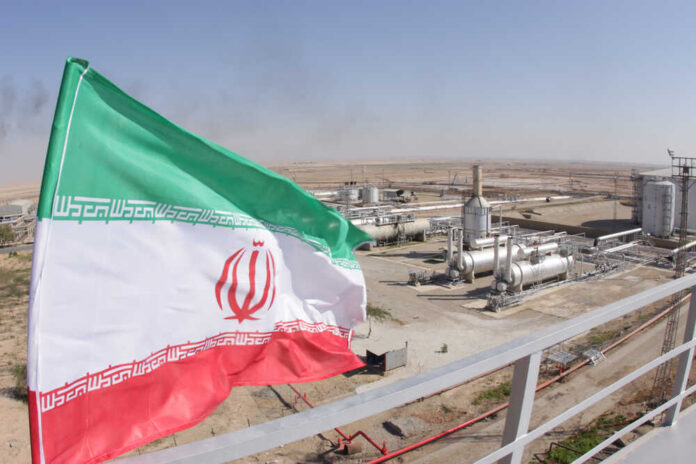
- Iran’s oil minister proposes joint US investments in oil, gas fields, mining, and aircraft purchases to secure sanctions rollback.
- New US sanctions hit Iranian oil networks even as talks proceed, showcasing Trump’s firm leverage against Tehran’s economic desperation.
- Supreme Leader Khamenei rejects US terms, insisting on retaining nuclear sovereignty while dangling economic carrots.
Trump’s Ultimatum Forces Iran’s Hand
On February 20, 2026, President Trump delivered a stark 10-day to two-week ultimatum to Iran, demanding complete halt to uranium enrichment and export of stockpiles. This follows Supreme Leader Ali Khamenei’s February 17 rejection of US conditions. Talks, mediated in Oman with US envoy Steve Witkoff and Jared Kushner meeting Iranian FM Abbas Araghchi, remain indirect but described as a “good start.” Trump’s strategy revives his first-term maximum pressure policy, prioritizing no nuclear weapons through sanctions and diplomacy. Military options linger as leverage against escalation.
Iran’s Economic Bait Amid Sanctions Squeeze
Iran’s Oil Minister Mohsen Paknejad signaled openness to “everything possible” in US energy cooperation on February 20, 2026. Proposals include joint oil and gas investments, shared field access, mining ventures, and US aircraft sales. These incentives aim at sanctions relief, unlocking frozen assets and oil exports crippled by US actions. Even as talks unfolded around February 6-20, America imposed fresh sanctions on Iranian oil networks and figures like tycoon Mohammad Hossein Shamkhani. Iran’s economy strains under export limits, pushing this pragmatic off-ramp from Trump’s threats.
Key Players and Power Dynamics
President Trump architects the deal, inflexible on weapons but open to short-term diplomacy. Iran’s Araghchi seeks relief while retaining enrichment rights. Witkoff pushes a 60-day timeline for stockpile transfer abroad. Khamenei guards regime stability, rejecting dismantlement. Oman mediates for de-escalation. US holds military and economic edges via sanctions on China-linked firms and oil paths. Iran counters with proxies, missiles, and stockpile. Mistrust persists over uranium fate—US demands export, Iran retention—echoing JCPOA collapse.
Historical roots trace to Trump’s 2018 JCPOA exit, targeting oil to curb nukes and missiles. Post-2024 Israel strikes and US operations, talks revived in early 2025 Oman rounds. Iran floated regional enrichment consortia; Trump claimed near-finalization by May. Recent escalations timed before his February 24 State of the Union underscore high stakes for American security.
Implications for US Interests and Global Stability
Success could slide oil prices via increased supply, stabilizing markets while curbing Iran’s proxy funding. Failure risks strikes, regional war backed by Arab states fearing nukes. Long-term, any JCPOA-like pact normalizes trade but invites US withdrawal, eroding trust. US and Israel gain security; Iran eyes billions in revenue. Broader effects hit oil versus OPEC+, set nuclear precedents, boost US aviation exports. Experts like FDD’s Mark Dubowitz warn of China’s missile aid to Iran, validating strike limits. Trump’s hardline protects allies, counters globalist appeasement.
Sources:
Reuters/Investing: Market context