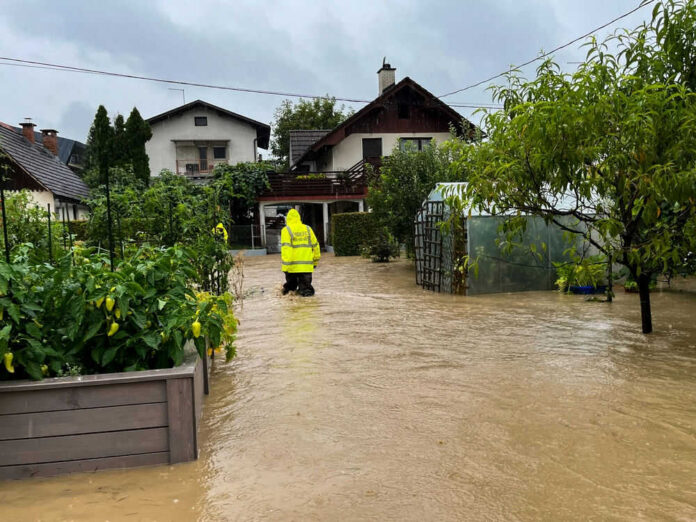
Heavy rainfall is flooding rat burrows across America and the UK, forcing disease-carrying rodents to invade homes through foundation gaps smaller than a quarter, according to pest control experts documenting a surge in weather-driven infestations that threaten families with health risks and property damage.
Story Snapshot
- Pest controllers report rain-driven rat surges as saturated soil floods underground burrows, pushing rodents along foundations into garages and basements
- UK’s record-breaking wet start to 2026 triggered nationwide warnings from Rentokil about heightened rat activity in homes and commercial properties
- Columbus tenants caught multiple rats daily in December 2025 amid management failures to seal entry points and repair drainage systems
- Experts emphasize weather exposes structural vulnerabilities rather than creating new rat populations, urging proactive sealing and inspections
Rain Forces Underground Rats to Seek Indoor Shelter
Mike’s Pest and Termite Control in Waldorf, Maryland documented how heavy storms saturate soil and flood rat burrows, forcing rodents to relocate along building foundations. The pest control firm explains that rats require only quarter-sized gaps to enter structures, with rainwater creating pathways that guide them toward garages, basements, and crawl spaces. This pattern repeats seasonally in regions experiencing intense rainfall, particularly in Southern Maryland where storms dump large volumes of precipitation. Homeowners often discover scratching sounds or droppings after major weather events, signaling that rats exploited openings invisible during dry conditions.
UK Issues Nationwide Warning After Record Rainfall
Rentokil issued warnings in early 2026 following the United Kingdom’s record-breaking wet winter start, predicting higher rat activity nationwide as flooded drains and burrows displaced rodent populations. The pest management giant documented rats emerging from underground systems overwhelmed by sustained rainfall, pushing them into residential and commercial buildings seeking dry shelter. This aligns with historical patterns where prolonged wet weather correlates with indoor infestations, as rats exploit compromised drainage infrastructure. British authorities noted urban areas with aging sewer systems faced heightened risks, mirroring vulnerabilities seen in American suburbs with poor foundation drainage and clogged gutters that channel water toward building perimeters.
Columbus Complex Faces Code Violations Amid Rat Crisis
Skyview Townhomes in Columbus, Ohio became a cautionary example when code enforcement reinspected 312 units in December 2025 after initial October violations revealed absent rat-proofing measures. Tenants documented catching multiple rats daily, expressing fears about disease exposure for their children as management failed to address failing gutters and non-watertight roofs. The complex’s structural deficiencies enabled rodents to exploit gaps worsened by inadequate drainage, turning maintenance neglect into a health crisis. This case demonstrates how landlord failures to maintain basic infrastructure create conditions for infestations, forcing families to live with contamination risks while regulatory pressure mounts for compliance.
Rapid Breeding Turns Minor Problems Into Major Infestations
Strong Island Animal Rescue League’s handling of 450 pet rats from a condemned New York house in January 2026 illustrates how quickly rodent populations spiral beyond control, with females producing litters every 20 days containing 10 to 12 pups that reach breeding maturity within weeks. Rescue director Frankie Floridia described finding rats throughout walls in what began as manageable pet ownership before rapid reproduction overwhelmed the property. While this hoarding case differs from weather-driven invasions, it demonstrates the biological reality facing homeowners who delay addressing rat entry points: a few rodents can explode into hundreds within months, compounding health risks from droppings, allergens, and potential disease transmission that endangers families.
Prevention Requires Sealing Vulnerabilities Before Storms Hit
Pest control professionals emphasize that weather events do not create rat populations but expose structural weaknesses homeowners can address proactively. Mike’s Pest recommends inspecting foundations for gaps, improving drainage systems to direct water away from buildings, and scheduling professional evaluations before heavy rain seasons. Rats exploit existing vulnerabilities that become pathways when rain floods their underground habitats, making prevention more effective than reactive treatments after infestations establish. Homeowners bear responsibility for maintaining their properties against these predictable threats, as neglecting basic repairs invites rodents carrying diseases into living spaces where children play and families sleep, undermining the safety and security Americans expect within their own homes.
Sources:
How Weather Affects Rats in Waldorf – Mike’s Pest and Termite Control
Pet Rats Flood LI Home, Sparking Concern on Social Media – Black Enterprise
Rat Home Infestation Rain Drains – The Independent
Hundreds of Pet Rats Need New Homes After Condemned House Discovery – WTOP