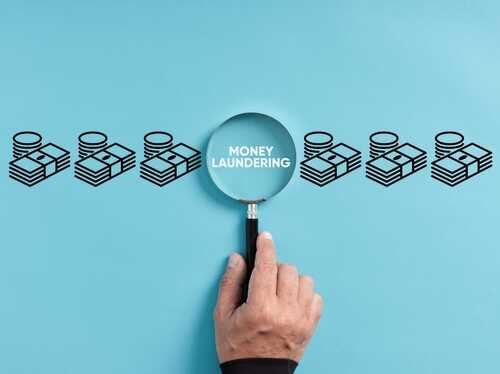
A sprawling $550 million money-laundering probe now gripping Argentine soccer shows exactly how corrupt elites twist “the people’s game” into a cash laundromat.
Story Highlights
- Argentine federal police raided the AFA and at least 17–20 clubs in a sweeping money‑laundering and tax‑evasion probe linked to Sur Finanzas.
- Investigators are tracking an estimated 818 billion pesos in suspicious transactions funneled through sponsorships and club finances.
- The case exposes how opaque sports institutions and political patronage invite abuse, echoing global corruption in FIFA‑style scandals.
- For American conservatives, it is a textbook warning about cronyism, weak oversight, and what happens when elites treat institutions as personal ATMs.
Mass Raids Rock Argentine Soccer’s Power Structure
Argentine federal judge Luis Armella ordered roughly 30–35 coordinated raids targeting the Argentine Football Association headquarters, at least 17 top‑flight clubs, and several private homes as part of a major money‑laundering and tax‑evasion investigation. Federal police seized accounting records, sponsorship contracts, and electronic data tied to Sur Finanzas, a finance company that recently became official sponsor of Argentina’s national league and national team. Authorities are working to trace how suspected dirty money moved through beloved clubs millions of fans trust.
The probe centers on whether Sur Finanzas and its partners used football sponsorships, loans, and financial services to launder funds and dodge taxes on a scale rarely seen in sports. Prosecutors estimate about 818 billion pesos—roughly 550 to 560 million U.S. dollars—in suspicious transactions. Investigators requested the lifting of banking and tax secrecy for 17 clubs, a drastic step that allows them to scrutinize transfers, account movements, and contracts that may have been structured to disguise the real origin and destination of money.
A massive police operation this morning has seen raids on AFA headquarters and a number of clubs including Racing, Independiente and San Lorenzo
All linked to the case with Sur Finances and the alleged money laundering pic.twitter.com/jwxBmFn0aZ
— GOLAZO (@golazoargentino) December 9, 2025
Sur Finanzas, AFA Leadership, and a Web of Sponsorship Deals
Sur Finanzas rose quickly in Argentine soccer, sponsoring multiple clubs and securing status as official sponsor of both the league and national team in 2024. That visibility placed the company at the center of massive cash flows in a sport already known for weak financial controls. Reports describe CEO Ariel Vallejo as close to AFA president Claudio “Chiqui” Tapia, raising difficult governance questions, even though top officials have not been charged publicly. The case highlights how personal connections and opaque deals can undermine institutional integrity.
The investigation began after Argentina’s tax authority filed a complaint accusing Sur Finanzas of evading taxes on operations equivalent to about 550 million dollars in local currency. That complaint alleged concealed or misrepresented currency transactions and income, triggering a broader criminal case for money laundering and related tax crimes. Once investigators connected these activities to football sponsorships and club finances, they moved to raid AFA and club facilities, seeking contracts, bank data, and internal correspondence that might reveal circular transfers, inflated invoices, or fictitious services.
Clubs, Fans, and the Cost of Elite Corruption
At least 17 professional clubs, including storied names like Racing Club, San Lorenzo, Independiente, Banfield, and Argentinos Juniors, are now entangled in the probe. Many of these institutions are already financially fragile, dependent on sponsors, intermediaries, and advance payments on television rights. That dependency makes them vulnerable to deals that promise short‑term cash while exposing them to high legal and reputational risk. Even if executives claim ignorance, clubs may have served as convenient conduits for laundering funds through ticketing, sponsorships, and player‑related payments.
For ordinary fans, the raids are a gut punch. Supporters pour their hearts and limited incomes into clubs that double as community anchors. When those clubs become vehicles for alleged money laundering, the damage goes beyond headlines. Teams can face fines, sanctions, or loss of sponsors, potentially leading to unpaid wages, canceled community programs, or even sporting penalties. The scandal reinforces a pattern familiar to many American conservatives: political and economic elites protect their own networks while working families and loyal supporters pay the price when corruption finally surfaces.
A Warning on Cronyism, Transparency, and Global Sports Elites
The Sur Finanzas case fits a broader pattern in global football, where huge cash flows, weak oversight, and political patronage attract bad actors. From earlier FIFA corruption scandals to regional TV‑rights controversies, the sport has repeatedly shown how quickly “public” institutions can be captured by insiders treating them as private cash machines. In Argentina, chronic inflation and tight currency controls further encourage informal channels and financial intermediaries, creating fertile ground for laundering schemes disguised as sponsorship and finance deals.
American readers who value limited government, rule of law, and transparent institutions can draw clear lessons. When oversight is cosmetic and cozy relationships replace accountability, even national pastimes become tools for large‑scale financial abuse. Strong, independent courts and real financial transparency—not bloated international bureaucracies or ideological “governance” campaigns—are what ultimately protect taxpayers and ordinary citizens. The ongoing Argentine investigation will test whether powerful sports and business interests can finally be held to the same standards as everyone else.
Sources:
Police Raid Argentine Football Federation, Clubs In Graft Probe
Police raid Argentine soccer clubs and AFA as part of investigation into alleged money laundering