
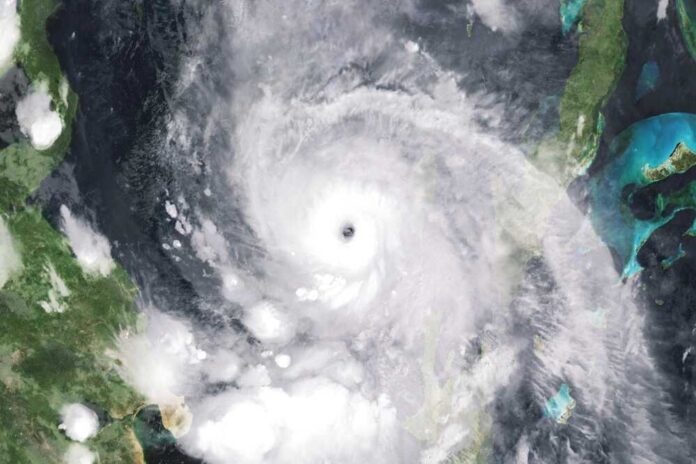
When Hurricane Melissa battered Jamaica and Cuba as 2025’s most powerful storm, it exposed how nature’s fury can redraw the map of survival, politics, and community—in ways no one saw coming.
Story Highlights
- Hurricane Melissa’s path left catastrophic destruction and triggered region-wide blackouts.
- Local governments scrambled to respond, revealing gaps in preparedness and resilience.
- Personal stories from survivors highlight the unpredictability of extreme weather events.
- The aftermath prompts urgent conversations about climate adaptation and infrastructure.
Melissa’s Wrath: How the Storm Changed Everything
Jamaica and Cuba awoke to chaos as Hurricane Melissa made landfall, its winds shattering records and expectations. Overnight, neighborhoods vanished under floodwaters, and city grids collapsed into darkness. Emergency crews raced against time, hampered by impassable roads and a communications blackout. The devastation was not just physical; it ignited a sense of vulnerability that rippled from local leaders to everyday families, challenging long-held assumptions about safety and preparedness.
Residents recounted harrowing escapes from rising waters, their homes transformed in minutes from sanctuaries to hazards. Power outages stretched for days, leaving communities to rely on resourcefulness and neighborly support. As the storm’s eye passed, it was clear that recovery would be measured not in hours or days, but in months and years. The storm’s sheer intensity forced a reckoning: Was this the new normal, and if so, how could anyone truly be ready?
Government Response: Lessons in Leadership and Shortfalls
Local and national leaders faced immediate scrutiny as relief efforts unfolded. Shelters filled beyond capacity, and supply chains buckled under pressure. The Caribbean’s patchwork infrastructure revealed deep vulnerabilities—roads washed away, hospitals overwhelmed, and emergency alerts delayed. Some officials called for rapid deployment of international aid, while others emphasized the need to rebuild smarter, not just faster. The debate over resource allocation spilled into public forums, exposing tensions between urgent relief and long-term rebuilding.
Communities grappled with the reality that climate adaptation was no longer theoretical. Old evacuation plans looked woefully outdated next to the scale of Melissa’s destruction. Citizens demanded accountability and transparency, pushing leaders to confront uncomfortable questions: What had gone wrong, and how could future disasters be managed differently? The storm became a crucible for leadership, testing not just logistical skills but the ability to inspire hope amid fear and uncertainty.
Survivors’ Stories: Human Resilience and the Limits of Preparation
Survivors described moments of terror and solidarity, sharing how quick thinking and communal bonds saved lives. One family recounted forming a human chain to cross a surging river; another spent days rationing food in a powerless apartment complex, relying on radio broadcasts for updates. Faith groups mobilized volunteers, transforming places of worship into hubs for shelter and aid distribution. Even as official channels faltered, grassroots efforts filled critical gaps, reflecting the power of ordinary people to adapt and persevere.
https://twitter.com/CaribbeanRelief2025/status/1720343456789012345
Yet, the personal toll was unmistakable. Many lost everything—homes, businesses, cherished possessions. The emotional aftermath lingered, with survivors struggling to process trauma and uncertainty. Some found solace in community, while others questioned whether rebuilding was worth the risk of facing another storm. The disaster reframed priorities for thousands, making resilience a daily conversation rather than a distant policy goal.
What Comes Next: The Urgency of Climate Adaptation
As Jamaica and Cuba move from crisis to recovery, the legacy of Hurricane Melissa extends beyond the immediate wreckage. Urban planners and policymakers are rethinking everything—from building codes to emergency communication systems. Scientists warn that superstorms like Melissa may become more frequent, demanding new models of resilience and collaboration. The event has spurred innovation, with governments piloting microgrid technology and community-led disaster drills.
The hurricane’s impact also reignited debates about international climate responsibility. Caribbean leaders called for fairer access to funding and technology, while global agencies promised more inclusive support. For Americans watching from afar, the storm’s lessons are clear: extreme weather is not a distant threat, but a present challenge demanding action on infrastructure, education, and policy. The open question remains—will these lessons be enough to weather the next storm, or are societies still one tempest away from upheaval?
Sources:
7 Top Writing Tips for 2025 – PRsay
How to Write a Scientific Paper in 2025: Ideas First – Thesify
Social Media Writing Guide for 2025 – ContentWriters
17 Expert Tips For Content Writing In 2025 – Search Engine Journal