Russia unleashed nearly 1,000 drones on Ukraine in a single day, marking an alarming escalation that killed innocent civilians in broad daylight and raises serious questions about America’s continued involvement in yet another endless foreign conflict.
Story Snapshot
- Russia launched over 550 drones in rare daytime attack on April 1, 2026, killing four civilians including a soldier’s daughter
- Combined with overnight barrage, nearly 1,000 drones fired in 24 hours targeted western Ukraine near Poland border
- Attacks damaged UNESCO World Heritage site, energy infrastructure, and residential areas across multiple regions
- Unprecedented daytime assault signals dangerous tactical shift after four years of primarily nocturnal drone campaigns
Massive Drone Assault Marks Dangerous Escalation
Russia executed an unprecedented daytime drone offensive on April 1, 2026, launching over 550 attack drones across Ukraine during mid-day hours. The assault followed an overnight barrage of 34 missiles and 392 drones, bringing the total to nearly 1,000 drones fired since Monday evening. Ukrainian air defenses intercepted the majority of threats, downing 25 missiles and 365 drones overnight, but the sheer volume overwhelmed regional defenses. This tactical shift from nocturnal to daytime attacks represents the first major daylight drone campaign in the four-year conflict, signaling Russia’s growing drone production capacity and willingness to target civilian populations during peak hours.
Civilian Casualties Mount Across Western Regions
The coordinated strikes killed at least four people and wounded dozens across multiple Ukrainian regions. In Ivano-Frankivsk, a National Guard soldier and his daughter perished in the attack. One person died in Vinnytsia where 13 others sustained injuries, while two more fatalities occurred near Poltava alongside 12 wounded, including a child. Lviv sustained significant damage with 22 people injured when drones struck a building near a historic church. The attacks also hit Ternopil’s energy facilities, sparked fires at commercial enterprises in Khmelnytskyi, and damaged residential and commercial structures in Lutsk. Thousands of residents across western and central Ukraine lost power as emergency services worked to contain fires and treat casualties.
Historic Sites and Infrastructure Targeted
The assault damaged Lviv’s Bernardine monastery, a UNESCO World Heritage site located in the city’s historic center just 60 kilometers from Poland’s border. Ukrainian Prime Minister Yulia Svyrydenko condemned Russia for “attacking a crowded city center in broad daylight,” highlighting the deliberate targeting of populated areas. Regional governors reported strikes on critical energy infrastructure in Ternopil, essential for powering Ukraine’s western logistics hub. Poland scrambled fighter jets in response to the proximity of attacks near its border, underscoring how this conflict continues expanding toward NATO territory. The targeting of cultural heritage sites and civilian infrastructure follows a pattern established since Russia’s February 2022 invasion.
Foreign Entanglement Concerns Grow
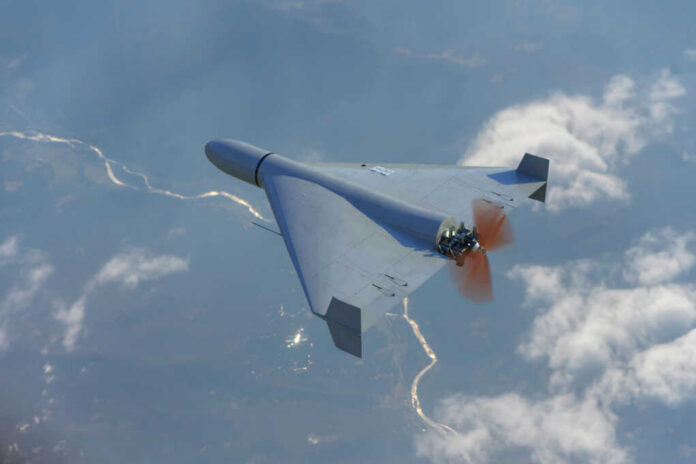
This escalation occurs as American taxpayers continue funding Ukraine’s defense while facing mounting energy costs and economic pressures at home. The proximity of attacks to Poland’s border raises legitimate concerns about potential NATO involvement that could drag the United States deeper into European conflicts. Russia’s deployment of Iranian-designed Shahed drones demonstrates how this regional war involves multiple foreign powers and advanced weaponry systems. Ukrainian officials report over 80 drones remained in airspace during peak assault hours, testing Western-supplied air defense systems funded by American aid packages. Many conservatives who supported limiting foreign interventions now watch as conflicts abroad consume resources needed for domestic priorities like border security and infrastructure repair.
The strategic implications extend beyond immediate casualties. Russia’s ability to launch hundreds of drones signals industrial capacity that challenges earlier assessments of depleted military resources. Ukrainian Air Force monitors confirmed 20 drones struck 11 locations with debris falling at five additional sites, revealing defense gaps despite interception successes. The shift to daytime operations tests radar systems differently than nocturnal attacks while maximizing psychological impact on civilian populations. As fires burned in Khmelnytskyi and power outages affected thousands, questions intensify about sustainable Western support levels and ultimate conflict resolution paths that don’t perpetuate endless military commitments overseas.
Sources:
Russia launches rare daytime drone attack on Ukraine, killing four – Global News
Russia attacks western Ukraine’s Khmelnytskyi – Kyiv Independent
Russia launches massive drone attack on Ukraine – Kyiv Post
Russia launches rare daytime drone attack on Ukraine, killing four – Reuters