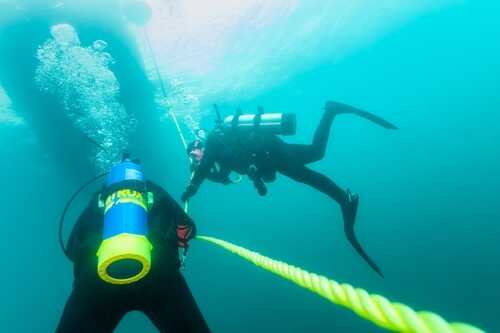
Undersea cables underpin prosperity and security in the digital age—but what happens when they’re vulnerable to nefarious deeds by global adversaries?
At a Glance
- The UK is reportedly unprepared for potential submarine sabotage by China and Russia.
- The China Strategic Risks Institute analyzed sabotage, linking 8 out of 12 cases to China or Russia.
- The report highlights a “grey zone” strategy using a commercial “shadow fleet” to target undersea cables.
- The UK is a key hub in the Euro-Atlantic network but has limited maritime monitoring capabilities.
The UK’s Underpreparedness
Recent analysis indicates that the UK is astonishingly underprepared for significant threats to its undersea cables, primarily from China and Russia. Undersea cables form the backbone of global digital communication, making any vulnerabilities in their safety a grave concern. Deficient resources only exacerbate the issue, leaving economic and national security hanging precariously in the balance.
How robot submarines fight to keep the UK's lights on in North Sea drone battle | Cahal Milmo, iNews
As Russia likely deploys autonomous submarines to map and monitor vital data cables in UK waters, the “drone war” that has developed in the skies above the battlefields of… pic.twitter.com/K6zKvy0ttt
— Owen Gregorian (@OwenGregorian) December 25, 2024
The CSRI identifies an emerging trend where China and Russia employ shadow fleets to infiltrate sensitive zones. This tactic, a classic grey-zone operation, creates a smokescreen for activities that sit ambiguously between peace and conflict. It capitalizes on infrastructural weaknesses, leaving the UK scrambling to catch up.
✒️UK Prepares For War🖋️
Leonid Savin
First of all, with Russia, although London reviews other threats.
On Monday, June 2, 2025, the British government released the lng-awaited Strategic Defence Review 2025 – a 140-page document that provides a vision for the development of the… pic.twitter.com/qKXUCv6yWR
— brane mijatovic (@brane_mija64426) June 6, 2025
An Essential Yet Vulnerable Infrastructure
Supporting 99% of the world’s communications, undersea cables are critical for anything from international business communications to everyday internet access. The UK’s position as a key hub within the Euro-Atlantic network makes its vulnerable cables an attractive target. Yet, coastal radar in the UK covers only 22% of its exclusive economic zone, substantially increasing exposure to uninhibited sabotage activities.
“As a result, current capabilities cannot ensure that all vessels comply with UK laws and regulations, especially in the vicinity of sensitive infrastructure such as undersea cables.” – UK Department for Science, Innovation and Technology source
The current frameworks governing undersea infrastructure, based on archaic 19th-century conventions, are woefully outdated. These regulations fail to account for modern technical and geopolitical complexities, making them virtually impotent against adversaries who exploit these shortcomings with impunity.
Time for Strong Defensive Measures
Addressing these vulnerabilities requires immediate action. Formulating comprehensive strategies that include enhanced monitoring, improved redundancy, and resilience are non-negotiable steps. Sharing intelligence, conducting joint patrols, and blacklisting offending vessels are among the recommendations that must be taken seriously, lest our national and economic security become jeopardized beyond repair.
“Undersea cables underpin prosperity and security in the digital age. We cannot afford to be naive about the unprecedented threat that China and Russia’s grey-zone operations pose to the UK’s undersea infrastructure.” – Andrew Yeh source
Relying on outdated norms while the world has advanced is nothing short of incredulous. The UK’s propensity to delay action not only compromises its strategic posturing but also risks setting a dangerous precedent. We must act swiftly and decisively, reclaiming control before becoming further ensnared in adversarial plots.