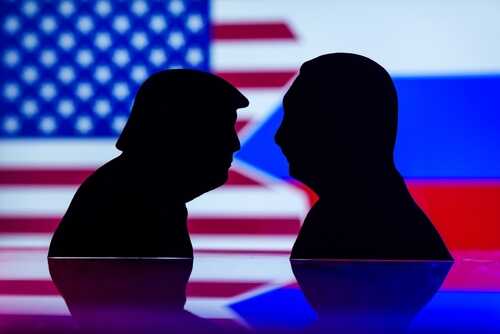
President Trump claims that the deep-seated animosity between Zelenskyy and Putin is hindering any potential diplomatic progress, raising concerns over the future of U.S. foreign policy.
Story Highlights
- Trump highlights personal hatred between Zelenskyy and Putin as a barrier to peace.
- U.S. military aid to Ukraine was temporarily suspended, sparking criticism.
- Trump’s approach diverges significantly from previous U.S. policies.
Personal Animosity as Diplomatic Barrier
President Donald Trump has asserted that the personal animosity between Ukrainian President Volodymyr Zelenskyy and Russian President Vladimir Putin is so profound that it impedes any meaningful dialogue. This tension was evident during a contentious Oval Office meeting in February 2025, which ended abruptly without resolution. Trump’s comments have drawn attention to the complexities of personal dynamics in global politics, particularly in the context of the ongoing conflict between Russia and Ukraine.
Trump’s characterization of the situation underscores the challenges faced by his administration in negotiating a peaceful settlement. The U.S. temporarily suspended military aid to Ukraine after a failed ceasefire proposal, highlighting the delicate balance of supporting allies while seeking to de-escalate tensions. Trump’s frustration with both Zelenskyy and Putin reflects a broader skepticism about continued U.S. involvement in the conflict, raising questions about America’s role on the world stage.
Shift in U.S. Foreign Policy
The Trump administration’s approach marks a significant departure from previous U.S. policies, which steadfastly supported Ukraine against Russian aggression. By openly criticizing Zelenskyy and aligning with some Russian positions, Trump has shifted traditional U.S. alliances. This has caused friction with European partners who remain committed to supporting Ukraine. The administration’s stance has sparked debate among policymakers and experts about the potential long-term impacts on U.S. credibility and its relationships with allies.
Observers have noted that Trump’s direct communication style and willingness to criticize international partners is reshaping diplomatic norms. The administration’s actions, including the temporary suspension of aid, suggest a priority on reducing U.S. commitments abroad. This realignment could have profound implications for global security and the future of transatlantic relations, particularly if European countries are forced to take greater responsibility for Ukraine’s defense.
Implications and Potential Outcomes
In the short term, the personal animosity between Zelenskyy and Putin, as highlighted by Trump, could lead to prolonged negotiations and increased uncertainty for Ukraine. The risk of a protracted conflict remains, with potential implications for global energy markets and political stability in Europe. Trump’s approach has emboldened Russia, exploiting divisions among Western allies and challenging the cohesion of international responses to the crisis.
The Atlantic reports Trump is ‘disappointed’ with Zelensky & Europe, calling their demands unrealistic. He just wants the war over ‘no matter how’, even if it means Ukraine losing land. Now he pushes for a Putin-Zelensky summit only if he’s at the table.
To me, Trump is openly… pic.twitter.com/e6TaHwfYBO— Shaun Pinner (@olddog100ua) August 29, 2025
Looking ahead, the ongoing debate about the best path forward continues to shape U.S. foreign policy. Trump’s administration must navigate the complexities of international diplomacy while addressing domestic concerns about military spending and global involvement. As the situation evolves, the administration’s ability to balance these competing priorities will be critical to maintaining U.S. influence and ensuring security for its allies.
Sources:
2025 Trump–Zelenskyy Oval Office meeting
Trump says he’s running out of patience with Putin fast over Ukraine conflict negotiations
Can Europe save Ukraine itself? Putin, Trump
Zelenskyy: Trump’s Alaska summit gave Putin what he wanted