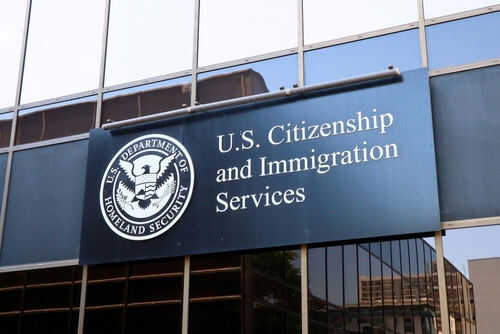
The Trump administration has effectively frozen asylum approvals at near-zero levels through unprecedented processing halts, leaving thousands in legal limbo while federal officials re-investigate cases approved under Biden.
Story Snapshot
- USCIS suspended all asylum application processing in December 2025, halting approvals entirely
- Administration ordered re-interviews of Biden-era approvals, straining resources and stripping work permits from thousands
- Border entry suspension and travel bans on 19 countries compound the processing freeze
- Courts have issued mixed rulings, with some restrictions invalidated while others remain under legal challenge
Processing Freeze Creates Approval Vacuum
On December 2, 2025, USCIS announced a hold on all asylum applications, effectively dropping approval rates to zero. This unprecedented freeze followed a January 20, 2025 proclamation suspending southern border entries for asylum seekers on President Trump’s first day of his second term. The administration justified these measures as necessary for enhanced vetting and national security screening, though no resumption timeline has been announced as of early 2026. This represents a departure from first-term restrictions, which targeted specific entry methods rather than halting all adjudications.
Retroactive Reviews Target Previous Approvals
Beyond freezing new applications, the administration ordered re-interviews of asylum cases approved during the Biden presidency, creating what advocacy groups call a punitive re-adjudication process. These reviews require significant USCIS resources while stripping work authorization from applicants pending reconsideration. The policy affects all nationalities and adds to existing backlogs exceeding one million cases. Critics note this retroactive approach lacks precedent in asylum law and may violate due process protections, though legal challenges remain pending in federal courts.
Compounding Restrictions Eliminate Pathways
The processing halt operates alongside multiple reinforcing restrictions implemented throughout 2025. A travel ban covers 19 countries, refugee green card processing ceased on November 21, 2025, and SNAP food assistance ended for new refugees and asylees on October 31, 2025. Afghan allies lost access to the Afghan Coordination and Refugee Entry program. These layered policies create what immigration attorneys describe as a comprehensive dismantling of asylum infrastructure. While the administration frames measures as addressing security concerns, the scope extends far beyond first-term policies like Remain in Mexico or Title 42 expulsions.
Economic and Social Fallout Spreads
Thousands of asylum seekers face immediate consequences including lost work authorization, separation from families awaiting reunification, and indefinite legal limbo preventing return home. Taxpayers bear costs for expanded detention, mass deportations, and resource-intensive re-interview programs. The immigration legal sector reports being overwhelmed by demand as applicants scramble for representation amid changing rules. Federal courts issued a remand on March 12, 2026 requiring proper eligibility determinations before material support bars apply, suggesting judicial skepticism toward some administration actions. Yet overall legality of the processing suspension remains undecided as lawsuits proceed.
Deep State Pattern Emerges in Policy Implementation
The sudden December freeze raises questions familiar to Americans frustrated with unaccountable government bureaucracy. Career officials implemented sweeping changes with minimal public notice or congressional input, affecting thousands of lives through administrative fiat. Both conservative border security advocates and liberal due process defenders might reasonably ask whether such concentrated executive power, exercised through proclamations and internal memos, serves citizens’ interests or merely bureaucratic preferences. The American Immigration Council and Council on Foreign Relations confirm unprecedented scope, while Human Rights First and the American Immigration Lawyers Association document what they characterize as violations of federal law that exacerbate rather than resolve asylum system dysfunction.
Sources:
Featured Issue: Asylum Under Trump 2.0 – American Immigration Lawyers Association
Important Changes for Asylum Seekers Under the Trump Administration – Immigration Equality
How the U.S. Asylum Process Works – Council on Foreign Relations
Asylum in the United States – American Immigration Council
How Have Trump Policies Impacted Refugees – International Rescue Committee