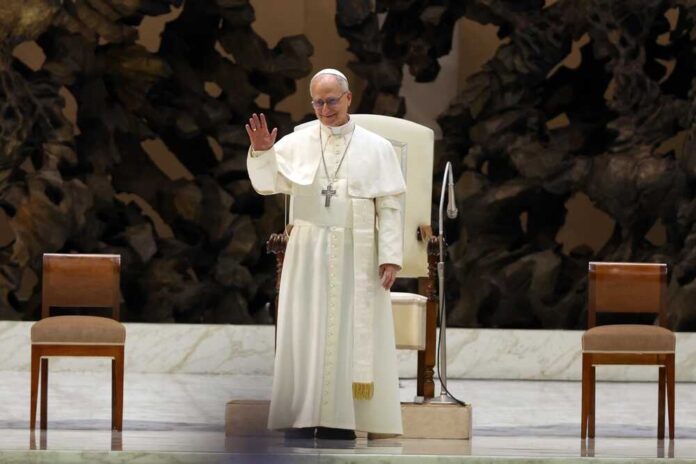
The Vatican is leading a charge for ethical AI use, but is anyone paying attention to the Pope’s warnings?
At a Glance
- Pope Francis emphasizes the importance of maintaining human dignity in the digital era.
- The Vatican released a doctrinal note on AI ethics named “Antiqua et Nova.”
- Social media influencers are being mobilized to carry the Pope’s message forward.
- AI and social media’s double-edged nature poses both opportunities and threats.
Pope Francis Takes on AI and Social Media
Pope Francis has made a bold move by positioning the Vatican as a moral authority on the ethical use of artificial intelligence and social media. His recent address to young Catholic influencers at the Vatican’s first mass specifically designed for this group underscores a crucial message: technological advancements should never undermine human dignity.
In a world where AI and digital platforms are rapidly evolving, the Pope’s message is a timely reminder of the responsibilities that come with innovation.
Pope warns against undermining human 'dignity' in AI, social media erahttps://t.co/YISeAQ9KdK
— The Standard Digital (@StandardKenya) July 29, 2025
The Vatican released its doctrinal note, “Antiqua et Nova,” earlier this year, outlining ethical guidelines for AI and human intelligence. This move marks a significant step in the Church’s proactive engagement with digital ethics, aiming to influence global discourse on responsible technology use. The Pope’s initiative reflects a deep concern over the potential dehumanization that unchecked technological progress can cause.
The Double-Edged Sword of Technology
AI and social media are powerful tools that can empower individuals and societies. However, they also pose existential risks if used irresponsibly. Pope Francis has long warned about these dual potentials, emphasizing that AI must complement rather than replace human intelligence. The Vatican’s call for ethical AI use is not just a religious stance but a universal appeal for safeguarding human dignity.
The Church’s engagement with media ethics is not new. It has addressed technological issues for decades, from radio and television to the internet. Still, the sheer speed and scale of AI development today demand renewed attention. The Pope’s warnings come amidst a backdrop of AI-generated content and deepfakes that have already raised manipulation and misinformation concerns.
Mobilizing Influencers for Ethical Digital Engagement
The Vatican is not merely issuing decrees from on high. By reaching out to social media influencers, the Church is strategically positioning itself to shape digital culture from within. These influencers are tasked with promoting ethical digital engagement, serving as intermediaries between the Church’s teachings and broader online audiences. In this way, the Vatican aims to instill a sense of responsibility among digital native generations.
While the Vatican lacks regulatory power, its moral authority is substantial. The influencers, on their part, act as bridges between the Vatican’s messages and their followers, adding a layer of credibility and reach that traditional ecclesiastical channels might lack. This approach could potentially set a precedent for other religious and civil society organizations to follow.
The Path Forward: Balancing Innovation and Ethics
The Vatican’s proactive stance on AI and digital ethics is a call to action for tech developers and companies worldwide. While the Church does not wield legislative power, its influence can shift public perception and potentially impact policy debates on AI regulation. The long-term goal is to ensure that technology serves humanity and not the other way around.
Pope Francis’ message resonates with anyone concerned about the direction in which AI and social media are heading. The “Antiqua et Nova” doctrine could serve as a significant ethical framework for AI governance globally. The challenge now is translating these ethical guidelines into practical actions that tech companies and policymakers can adopt.