
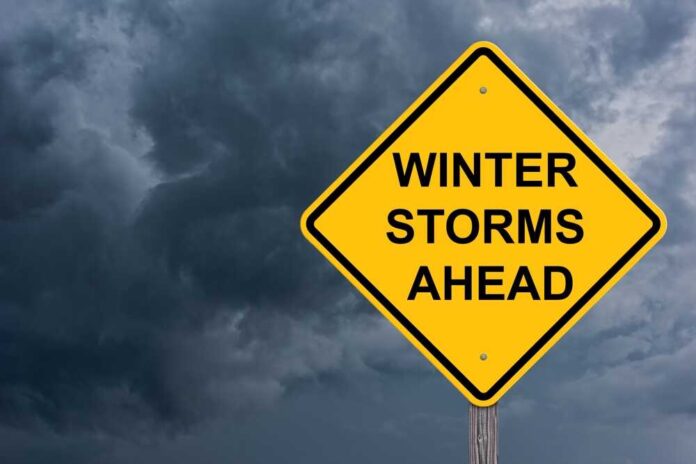
As a powerful winter storm buries the Northeast, New York and New Jersey leaders are seizing sweeping emergency powers that every constitutional conservative should be watching closely.
Story Highlights
- New York and New Jersey declared states of emergency ahead of a heavy post-Christmas snowstorm impacting tens of millions of residents.
- Orders unlock broad executive powers over travel, commerce, and policing in the name of “public safety.”
- Holiday travelers and small businesses face major disruptions from road restrictions and hazardous conditions.
- Conservatives are reminded how quickly emergency declarations can become the default tool of blue-state governance.
Blue-State Leaders Turn to Emergency Powers as First Response
On December 26, acting New Jersey Governor Tahesha Way and New York Governor Kathy Hochul both declared states of emergency as a powerful winter storm swept into the Northeast, threatening 4 to 12 inches of snow, ice, and treacherous roads across the region. The storm zeroed in on the New York City metro area, Long Island, the Mid-Hudson region, and all twenty-one counties in New Jersey, complicating post-Christmas travel for families returning home and truckers moving goods.
Hochul’s declaration covered more than half of New York’s counties, with officials warning that the heaviest snow would fall from Friday evening through Saturday morning, at times piling up at more than two inches per hour. In New Jersey, Way’s statewide order took effect at 1 p.m., signaling that every county, not just the hardest-hit corridors, would come under expanded executive authority as snow bands and freezing temperatures settled in.
Travel Restrictions, Commercial Bans, and Strain on Normal Life
By midafternoon Friday, New Jersey layered commercial vehicle restrictions onto the emergency declaration, limiting certain trucks and trailers on key interstates like I-78, I-80, I-280, I-287, and Route 440. Officials framed the move as necessary to prevent jackknifed rigs and pileups, but for drivers and small freight operators already crushed by years of inflation and regulation, another forced slowdown meant more lost hours, tighter delivery windows, and higher costs passed on to consumers.
Across the river, New York agencies mobilized plows, salt trucks, and emergency crews while urging people to stay off the roads. Forecasts called for widespread accumulations of 3 to 8 inches, with localized totals near a foot and dangerous icing west and north of New York City. By Saturday morning, parts of the city had already logged more than four inches, and authorities warned that visibility, slick highways, and freezing slush would keep travel hazardous, especially for families navigating holiday returns.
Seasonal Storm or Expanding Culture of Permanent Emergency?
For longtime Northeasterners, winter nor’easters are nothing new; these storms routinely dump snow as Atlantic moisture collides with Arctic air. What stands out now is how quickly blue-state leaders reach for full emergency declarations, flipping on broad powers that can touch travel, business operations, and even policing with the stroke of a pen. Supporters argue these tools keep residents safe and allow faster coordination. Constitutional conservatives remember how rapidly “temporary” COVID measures morphed into prolonged restrictions and mandates.
Emergency declarations unlock rapid resource deployment and easier coordination among state agencies, local governments, and first responders. They also make it easier to impose road bans, redirect funds, and centralize decision-making without the usual legislative checks. For many on the right, this storm response is a fresh reminder that while President Trump is now working to roll back federal overreach, deep-blue states still lean heavily on executive power whenever a crisis—real or perceived—appears on the radar.
Public Safety, Personal Responsibility, and Conservative Priorities
State officials emphasized safety above all, urging residents to avoid unnecessary travel, prepare for possible isolation, and stay alert for changing conditions as snow bands moved through. There is no question that icy roads, whiteout conditions, and rapid accumulation can be deadly, especially for older residents or working families commuting in the dark. From a conservative standpoint, the key question is balance: how to protect life and property without normalizing a heavy-handed government that treats citizens like subjects instead of responsible adults.
⚠️ WINTER STORM ALERT: A major system is locking in.
• Upper Midwest: Heavy blizzard snows
• Burlington, VT to Concord, NH: Up to 0.5" of ICE possibleTravel will become IMPOSSIBLE by tonight. Prepare for power outages NOW. #Weather #IceStorm pic.twitter.com/bAa9qe9g4d
— YallBot (@OfficialYallbot) December 28, 2025
Conservatives in the region understand the need for plows, salt, and honest weather alerts. They also remember that small businesses, churches, and community groups often step in where bureaucracy lags, checking on neighbors, helping stranded motorists, and keeping people fed and warm. As this storm plays out, the test is whether New York and New Jersey limit their emergency actions to immediate, clearly justified steps—or whether these declarations drift, quietly expanding the habit of rule by decree that so many voters rejected when they sent Trump back to the White House.
Sources:
Winter storm warning live updates: Heavy snow expected to hit New York City, tri-state area
Governor Hochul declares State of Emergency and provides update on statewide winter storm response
Winter weather hits Northeast as new storm system moves in