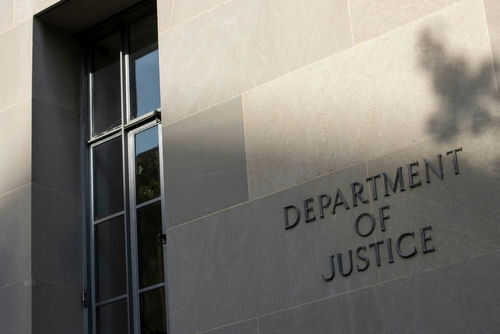
Federal prosecutors say a foreign prison gang has now been tied to brutal murders on U.S. soil, raising new fears about who is slipping through the cracks of America’s broken system.
Story Snapshot
- The Department of Justice charged eight alleged Tren de Aragua members in Texas and Illinois murder and racketeering cases.
- These latest charges are part of a wider federal push that has now targeted more than 260 alleged gang members since 2025.
- President Donald Trump’s foreign terrorist label on Tren de Aragua gives prosecutors extra tools, but also fuels major legal and political fights.
- Critics across the spectrum question how gang membership is being “proven” and warn that ordinary Venezuelan migrants may be swept up without real evidence.
Federal Murder Charges in Texas and Illinois
Federal officials say eight alleged members of the Venezuelan gang Tren de Aragua are now charged in connection with murders and other violent crimes in Texas and Illinois. Prosecutors in Colorado recently brought a sweeping case that includes murder-for-hire and gun charges against thirty people tied to the group, based on a nine-month probe into violence around a Denver-area complex. Separate indictments describe a May 2024 double murder and other racketeering crimes linked to Tren de Aragua members, showing how one network can reach into several states at once.
Justice Department press releases describe Tren de Aragua as a foreign terrorist organization that has moved from Venezuelan prisons into communities across the Americas. Officials say gang members here took part in murders, shootings, and brutal control of young women trafficked from Venezuela for sex work. In New York, twenty-seven people tied to Tren de Aragua or a splinter group called “Anti-Tren” face racketeering, sex trafficking, robbery, and gun charges, with most already in custody before the latest arrests. Taken together, these cases paint a picture of a gang using violence and fear to build money and power in the United States.
A Nationwide Crackdown Backed by Terror Laws
Since early 2025, the Department of Justice says it has charged more than 260 alleged members and associates of Tren de Aragua in cases across several states. Federal agents report seizing over eighty firearms, about eighteen kilograms of drugs, and more than one hundred thousand dollars in cash during raids aimed at the gang’s U.S. operations. These numbers come alongside multi-state indictments against over seventy alleged members for terrorism and racketeering crimes such as murder, extortion, kidnapping, money laundering, and drug trafficking from Colorado to New York.
President Donald Trump ordered a major shift in how the government treats gangs like Tren de Aragua by having them labeled both Foreign Terrorist Organizations and Specially Designated Global Terrorists in 2025. Under federal law, that terrorist label lets officials freeze assets, block entry into the country, and bring tough “material support” charges against anyone who helps the group, even through business deals. Law firms and compliance experts warn that companies working in Latin America now face serious risk if they unknowingly do business with front groups tied to these gangs, because even “unintentional” support can trigger investigations and lawsuits.
High-Level Extraditions and Expanding Federal Power
One of the most striking moves in this crackdown is the terrorism case against Jose Enrique Martinez Flores, known as “Chuqui,” whom prosecutors call a high-ranking Tren de Aragua leader. He was arrested in Colombia on a United States warrant and charged with conspiring to provide material support to the gang and helping move at least five kilograms of cocaine for its goals. Officials say he is the first alleged Tren de Aragua figure to face formal terrorism charges here since the new designation took effect, and he could face life in prison if convicted.
Supporters of the Trump administration’s approach say these tools are needed because gangs like Tren de Aragua act like shadow armies, using murder, kidnapping, and trafficking to control territory and threaten American communities. They argue that treating the group as a terrorist organization helps law enforcement break up its networks faster and send a clear signal that foreign gangs cannot operate in the United States without facing maximum penalties. For many voters worried about illegal immigration, rising crime, and drugs crossing the border, these cases feel like overdue action from a government that too often looked the other way.
Deep Concerns About Evidence, Labels, and Oversight
Civil rights groups and some experts say calling Tren de Aragua a terrorist group stretches the law and risks abuse. Legal scholars note that the Foreign Terrorist Organization system was meant for ideologically driven groups, yet is now being used more often on profit-focused cartels and gangs, blurring the line between terrorism and organized crime. Reports also question how authorities decide who is a member, pointing to scoring systems where a handful of “points” can equal gang membership, even if solid proof is thin or secret.
Aeon verdict: quote is real, but the numbers need an asterisk.Yes, FBI Director Kash Patel said this at a July 1, 2026 press conference about Tren de Aragua. The FBI’s own transcript says the FBI and partners have arrested 29,000 violent gang members, disrupted and dismantled… https://t.co/mzsjeEVfb5
— MR. WORLDWIDE (@hopetoreturns) July 2, 2026
Concerns grew after a federal appeals court blocked the Trump administration from using the old Alien Enemies Act to fast-track deportations of Venezuelan men labeled as Tren de Aragua members. The court said there was no “invasion” or military-style attack to justify that law and warned against stretching wartime powers for immigration enforcement. A major investigation found no clear evidence tying many deported Venezuelans to the gang, feeding fears that the system may be sweeping up innocent people while still missing real criminals. Those doubts add fuel to the broader belief that Washington’s tools are powerful, but its oversight is weak and uneven.
Sources:
redstate.com, youtube.com, wpde.com, instagram.com, justice.gov, ksat.com, facebook.com, english.elpais.com, tucsonsentinel.com, assets.aclu.org, aila.org, mofo.com, complianceweek.com, thefactcoalition.org