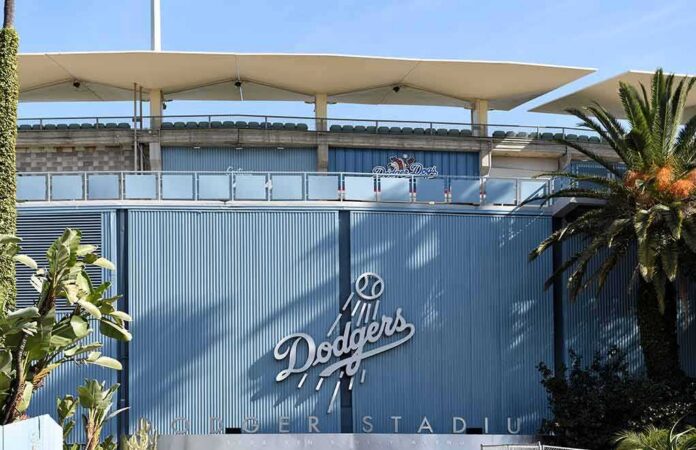
In a best-of-five series, Game 1 is leverage; Los Angeles seized it with power and frontline pitching, beating Atlanta 5-3 to open the NLDS and impose their terms on the matchup.
At a Glance
- Dodgers win NLDS Game 1 over the Braves, 5-3, behind six strong innings from Tarik Skubal.
- Teoscar Hernández, Kyle Tucker, and Max Muncy supplied three home runs for all five Los Angeles runs.
- Atlanta’s late surge narrowed it to 5-3 in the ninth, but Evan Phillips closed for the save.
- Home Game 1 wins historically tilt short series; Los Angeles leads 1-0 with tactical flexibility now on their side.
What decided Game 1: power, pace, and a frontline lefty
Postseason openers reward clubs that control the run-scoring shape of the game, and Los Angeles did that in textbook fashion. Tarik Skubal worked six authoritative innings, holding Atlanta to a single run on two hits with seven strikeouts and two walks, the kind of start that stabilizes a clubhouse after a layoff and simplifies bullpen usage. The Dodgers then compressed their offense into three decisive swings: a two-run blast from Teoscar Hernández, followed by sixth-inning shots from Kyle Tucker and Max Muncy that extended a 2-1 edge to a 5-1 cushion. It was not a fluky formula; it was the modern October blueprint—premier starting pitching and controlled aggression that converts baserunners into crooked numbers with one swing.
Skubal’s value here went beyond the line. A left-hander who can miss bats at the top of the zone and land secondary pitches under stress changes Atlanta’s calculus by shrinking their platoon advantages and forcing a deep lineup to chase damage in fewer favorable counts. The result—only two Braves hits through six—gave Los Angeles the tempo advantage they wanted and protected the middle of the bullpen from exposure in its first real high-leverage test of the series.
How the game flowed: the innings that mattered
The tenor shifted in the fourth when Hernández ambushed a pitch, driving a towering two-run homer that punctured a scoreless duel and put Los Angeles in command. Atlanta answered with a solo shot from Sean Murphy to make it 2-1, but the Dodgers’ sixth-inning sequencing punished that small breach: Tucker cleared the wall, and Muncy followed two batters later to stretch it to 5-1. At that point, the scoreboard reflected who dictated contact quality. Even as the day’s heat and adrenaline shortened at-bats, Los Angeles found the pitches they could lift; Atlanta, largely, did not.
October rarely grants a clean landing, and the ninth was tense enough to remind everyone why leverage arms are prized. After Ozzie Albies cut the margin to 5-3, managerially sound bullpen layering and Evan Phillips’ composure finished it—no flourish, just strikes on the edges and a routine groundout to seal the opener. The final optics—lead trimmed, tying run once within reach—can tempt a “held on” narrative. The fuller reading is that Los Angeles banked early run prevention, cashed three big swings, and forced Atlanta to chase power late, which is how favorites are supposed to manage a Game 1 at home.
Why Game 1 leverage matters in a five-game format
In a Division Series, the math is unforgiving: take the opener and you acquire the freedom to script rather than react. Up 1-0, Los Angeles can stage its rotation to maximize rest and matchups, meter high-usage relievers, and accept a low-variance plan in Game 2 rather than stretching for marginal edges. The trailing side inherits urgency—less wiggle room to protect a taxed bullpen, more pressure to push a starter deeper than ideal, and greater scrutiny on roster construction if cracks widen. That dynamic is historically stable across the format and is a central reason home teams hunt a clean, decisive opener: it moves stress and second-guessing into the other clubhouse.
Tactically, controlling the opener also allows the leading team to pre-commit to situational relief lanes for the middle games—who handles the pocket with the opponent’s top right-handed bats, when to trade platoon leverage for strikeout probability, where to risk a third day in four for a setup man. Those choices are cheaper when you are not chasing. Los Angeles, with power distributed through the lineup and a top-end lefty establishing tone, now gets to spend that Game 1 equity across the next 27 to 36 innings.
Dodgers beat the Braves 5-3 in game 1 of the NLDS pic.twitter.com/gQiFkkBo3f
— The On Deck Circle Podcast (@TheOnDeckCir) October 4, 2026
Inside the matchup: Los Angeles’ blueprint versus Atlanta’s staff mix
Atlanta approached the opener with a staff configuration that demanded clean innings from multiple arms. That structure can work if the front half stacks zeros and preserves the best matchups for the heart of the Dodgers’ order; it frays when one swing forces an early pivot and puts mid-leverage relievers into high-stress pockets. Once Hernández’s two-run shot arrived, the bullpen had to cover outs while guarding against both traffic and slug; Tucker’s and Muncy’s sixth-inning homers were the proof of that strain. Across nine innings, the Dodgers didn’t chase volume; they hunted leverage and found it.
The other quiet win for Los Angeles was defensive and procedural calm. A postseason game with active replay and a moving strike zone can spiral if a club loses emotional control. Instead, the Dodgers leaned into a tempo game: Skubal worked assertively, the defense converted makeable plays, and the late relievers executed enough to force Atlanta to beat premium pitches in hitter’s counts. Even after Albies’ late homer tightened the margin, Phillips’ final sequence restored order. In October, that steadiness is a skill unto itself.
What to watch as the series evolves
Two threads will shape the next games. First, how Atlanta adjusts to left-handed power arms. Skubal won the chess opening by limiting pull-side damage and suppressing multi-base traffic; if Los Angeles stacks left-handed looks in leveraged spots again, Atlanta must either re-time to the top of the zone or force longer at-bats to bleed pitch counts earlier. Second, the Dodgers’ bullpen choice architecture. The ninth got interesting; that’s a reminder to distribute work so the most reliable swing-and-miss options face the meatiest pockets. With a 1-0 lead in hand, Los Angeles can plot more conservatively, keeping Phillips aligned with the highest-leverage outs and insulating any volatile middle relief with earlier hooks.
Game 1 did not crown a trend so much as confirm one: in short series, a dominant starter and three well-struck baseballs can carry a day, and the team that engineers that equation first tends to dictate the rest. The Dodgers did exactly that. They’re not through; they’re in control.