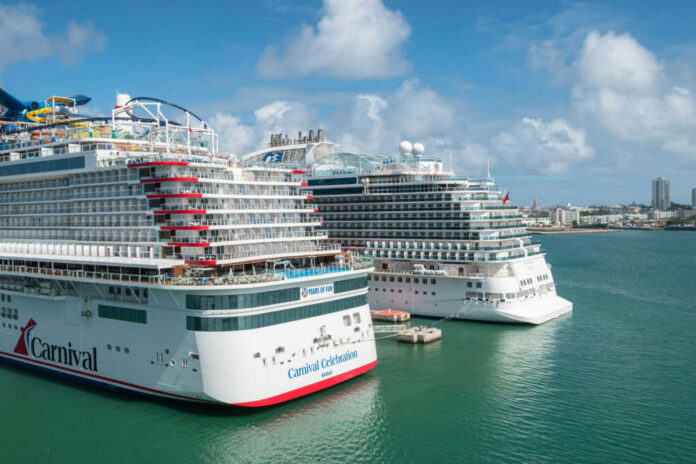
Five luxury cruise ships boldly transited the Strait of Hormuz, defying IRGC threats during a fleeting ceasefire, exposing the fragility of international agreements and risks to global trade under weak foreign policy.
Story Highlights
- Five cruise ships—MSC Euribia, Mein Schiff 4, Mein Schiff 5, Celestyal Journey, and Celestyal Discovery—successfully escaped the Persian Gulf after 47 days stranded due to war-related closure.
- US-Iran ceasefire briefly reopened the Strait on April 17-18, 2026, allowing transits before IRGC reversed course and fired on other vessels.
- IRGC attacks on containerships, tankers, and a cruise ship underscore ongoing threats to commercial shipping in this vital oil chokepoint.
- Cruise operators prioritized passenger safety by seizing the narrow window, contrasting with failed attempts by other ships like an Indian VLCC tanker.
Cruise Ships Seize Ceasefire Window
MSC Euribia departed Dubai, Mein Schiff 4 left Abu Dhabi, and Mein Schiff 5 and Celestyal Journey sailed from Qatar ports on April 18, 2026. These vessels hugged Oman’s coast for safety during their eastward transit through the 21-mile-wide Strait of Hormuz. After 47 days trapped by conflict closures since the Iran war’s onset, the ships reached the Gulf of Oman and headed toward the Indian Ocean. Cruise lines confirmed all five passages via AIS tracking and operator statements. This opportunistic escape highlights captains’ decisive action amid uncertainty.
IRGC Reverses Course with Attacks
US and Iran governments announced the Strait “fully open” to commercial traffic on April 17 for the ceasefire duration. Celestyal Discovery led the first transit that Friday. By Saturday evening, reports confirmed the five cruise ships cleared. Iran then declared the Strait closed under “strict control.” IRGC forces fired on a containership, damaging containers; a tanker evaded damage; another cruise ship faced a “splash” incident; and an Indian VLCC tanker turned back. UKMTO reported attacks 25 nautical miles northeast of Oman.
Strategic Chokepoint Vulnerabilities Exposed
The Strait handles 20% of global oil, making it a perennial flashpoint due to Iran’s IRGC naval claims. Historical precedents include tanker seizures of UK and Indian vessels. Current power dynamics favor IRGC superiority, dictating access despite fragile US-Iran truces. Cruise operators like MSC Cruises, TUI Cruises, and Celestyal prioritized resuming European schedules and passenger safety. One ship, Aroya Manara, remained in Saudi Dammam as its homeport. This incident tests limited government approaches to foreign entanglements, echoing conservative calls for America First deterrence.
Maritime experts note the escapes as a tactical success but emphasize IRGC reversals signal no reliable passage. Trade publications confirm clearances yet warn of heightened volatility. Short-term, cruise lines face itinerary disruptions and war-risk premiums. Long-term, rerouting and insurance spikes loom for global shipping, impacting Gulf port economies and passengers anxious over delays. Political tensions escalate, questioning elite negotiators’ reliability in protecting American interests abroad.
More Brave Cruise Ships Just Thumbed Their Noses at the IRGC in the Strait of Hormuz https://t.co/n5CeREc7KY
— 100 Pct Real Woman (@100PctRealWoman) April 20, 2026
Shared Frustrations with Government Failures
Conservatives decry globalist policies enabling such vulnerabilities, linking high energy costs to overreliance on unstable regions. Liberals lament growing divides from disruptions hitting working families. Both sides recognize federal elites prioritize power over securing trade routes vital to the American Dream. This event reinforces bipartisan distrust in a deep state more focused on reelection than principled defense of liberty and commerce. President Trump’s second-term navigation of these waters demands vigilance against IRGC aggression.
Sources:
Iran Fires on Containership, Tanker and Cruise Ship, Saying Hormuz Is Closed
Five Gulf-Stranded Cruise Ships Clear Strait of Hormuz
Cruise Ships Take Advantage of Brief Window to Escape the Strait of Hormuz