President Trump publicly criticized US-born Pope Leo XIV for failing to grasp the brutal realities of Iran’s actions against unarmed protesters, escalating tensions between the White House and the Vatican over divergent approaches to global threats.
Story Snapshot
- Trump challenged Pope Leo XIV to recognize Iran’s alleged killing of over 42,000 unarmed demonstrators
- The pope characterized global instability as caused by “a handful of tyrants” during his African tour remarks
- Trump denied animosity toward the pontiff while defending his “harsh world” critique of papal foreign policy views
- The clash highlights fundamental differences between security-focused geopolitics and humanitarian frameworks for addressing international crises
Presidential Rebuke Centers on Iran Deaths
President Donald Trump confronted Pope Leo XIV on Thursday regarding the pontiff’s understanding of global security threats, specifically Iran’s treatment of protesters. Trump stated Iran has killed over 42,000 unarmed individuals in recent months, emphasizing these were peaceful demonstrators. The president insisted the pope must comprehend these realities, describing the international landscape as “the real world” and “a harsh world.” Trump made the remarks to reporters in Washington D.C. while preparing for a westward trip, responding to comments the pope delivered during his African tour.
Trump says pope must understand ‘nasty world’ https://t.co/nYmCOsSlH0
— Inquirer (@inquirerdotnet) April 16, 2026
Pope’s African Tour Remarks Spark Disagreement
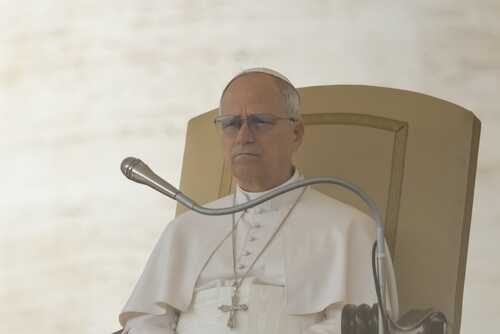
Pope Leo XIV delivered remarks at Saint Joseph’s Cathedral in Bamenda, Cameroon, that appeared to prompt Trump’s response. The US-born pontiff told attendees “the world is being ravaged by a handful of tyrants, yet it is held together by a multitude of supportive brothers and sisters.” The pope’s broad characterization of global instability contrasted sharply with Trump’s specific focus on Iranian government actions. This framing difference illustrates the competing perspectives driving the tension between the administration’s national security priorities and the Vatican’s humanitarian emphasis under its first American pope, who leads 1.4 billion Catholics worldwide.
History of Strained Relations Continues
Thursday’s exchange represents the latest chapter in ongoing disagreements between Trump and Pope Leo XIV on foreign policy matters. Trump has previously characterized the pope as “weak” and “incorrect” regarding international affairs, particularly on Iran and immigration policies. Despite the public criticism, Trump denied holding animosity toward the pontiff or actively fighting with him. The president adopted what observers described as a more diplomatic tone compared to past remarks, though he continued to challenge the pope’s worldview on geopolitical threats and realities facing democratic movements in authoritarian nations.
Competing Frameworks for Global Leadership
The dispute reveals fundamental differences in how the Trump administration and the Catholic Church approach international relations. Trump’s remarks prioritize demonstrable security threats and specific government actions, emphasizing accountability for regimes accused of violence against citizens. The pope’s perspective frames global challenges through humanitarian and moral lenses, focusing on systemic patterns of tyranny balanced against human solidarity. This tension between realpolitik security calculations and values-based moral leadership affects US-Vatican diplomatic relations and potentially influences how Catholic voters perceive the administration’s foreign policy. The divergence also establishes precedent for executive-religious institution tensions when spiritual leaders comment on geopolitical matters.
Implications for Foreign Policy Discourse
The public disagreement between Trump and Pope Leo XIV carries consequences beyond immediate diplomatic relations. The clash shapes how global audiences understand competing narratives about Iran’s domestic actions and the appropriate response from international leaders. Trump’s specific casualty figures—though not independently verified in available sources—contrast with the pope’s broader condemnation of tyranny without naming specific regimes. This dynamic raises questions about whether moral leadership requires identifying particular governments or whether broad principles suffice. For Americans frustrated with what they perceive as inadequate responses to authoritarian violence, Trump’s directness may resonate regardless of political affiliation, particularly when government officials appear disconnected from on-the-ground realities facing oppressed populations.
Sources:
Trump says pope must understand ‘nasty world’ – Global Nation (Inquirer)
Trump says pope must understand ‘nasty world’ – Philstar.com
Pope slams tyrants as Trump spat continues – SBS Australia
Trump-Pope Leo feud over Iran protests – The Independent