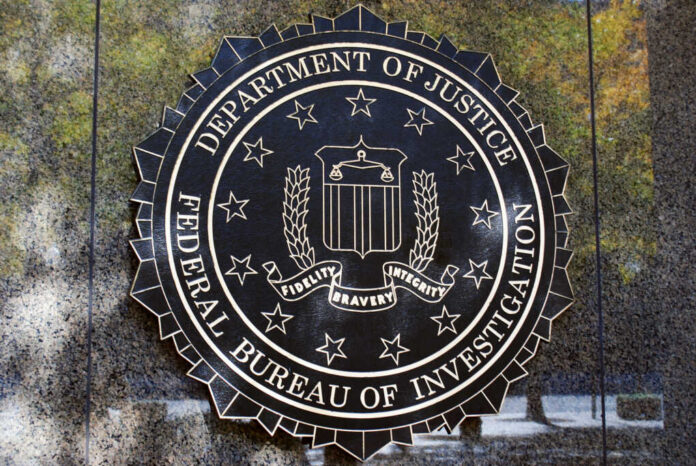
A sweeping federal security dragnet is descending on World Cup host cities, giving the FBI unprecedented reach over American airspace, streets, and even your local airport—all despite officials admitting there are “no known threats” to the games.
Story Snapshot
- The Federal Bureau of Investigation (FBI) is rolling out bomb squads, tactical teams, and drone-hunting technology across World Cup venues, fan zones, and airports.[2][3]
- Officials concede there are currently no known threats to World Cup matches in Atlanta, underscoring that this is a preemptive security surge.[3]
- The plan relies on a vast multi-agency network monitoring everything from drones and cyber activity to human trafficking and fraud.[2][3]
- Conservatives face a familiar tension: legitimate security needs versus mission creep, surveillance, and potential abuses of constitutional freedoms.[2][3]
FBI Security Surge Turns World Cup Into a Test Case for Government Power
The FBI’s Atlanta field office has laid out a sweeping, 39-day security posture for the 2026 World Cup that reaches from Mercedes-Benz Stadium to fan festival zones and Hartsfield-Jackson International Airport.[2][3] Bomb technicians will be embedded with local police, ready to respond to suspicious packages and vehicles wherever they appear in the downtown core.[2][3] Thousands of law enforcement officers and federal agents will be visible across transit hubs, fan zones, and the stadium footprint as part of a coordinated, around-the-clock operation.[1][3]
FBI officials say their teams will operate under a unified command structure that links federal, state, and local partners, with the FBI leading intelligence and threat monitoring.[2] Tactical Special Weapons and Tactics (SWAT) units will maintain a “high level of visibility” throughout all matches and fan days in downtown Atlanta, positioned to deploy at a moment’s notice.[2][3] The stated goal is deterrence and rapid response, but the visible militarized posture reinforces concerns about government normalization of emergency-style policing.[3]
Drones, Airports, and Digital Dragnets: How Far Does Security Go?
Airspace over World Cup venues is being declared a no-drone zone, with temporary flight restrictions that will allow federal authorities to identify drones in the sky and even locate their operators on the ground.[2][3] FBI Atlanta has openly confirmed possession of technology to track and potentially interdict drones that violate these restrictions, putting private hobbyists and small-commercial operators squarely under federal scrutiny during the tournament window.[2][3] For gun owners and civil libertarians, that level of airspace control raises familiar questions about precedent and future peacetime uses.
At Hartsfield-Jackson International Airport, FBI personnel will work alongside local and federal partners to increase presence and monitoring across all “avenues that are related to FIFA,” including arriving crowds and transit corridors.[2][3] Officials emphasize that agents will be especially focused on indicators of human trafficking, with dedicated task forces operating throughout the summer to identify traffickers and assist victims.[2][3] The same FBI Director has publicly pledged to intensify operations against human trafficking and fraud around the tournament, tying the World Cup to a broader enforcement push.[1][2]
No Known Threats, Yet the Biggest Footprint in Years
Despite the scale of this operation, FBI officials in Atlanta have repeatedly stated that there are currently no known threats to World Cup games in the city.[2][3] Intelligence and threat monitoring have been underway for months, but briefing transcripts do not point to any named suspect, plot, or specific venue-based scheme driving the crackdown.[1][2][3] Instead, the agency describes a broad readiness posture crafted to address a menu of potential dangers—from terrorism and cyber disruption to hoaxes and opportunistic crime—across the entire 39-day tournament window.[2]
This approach mirrors a wider pattern for mega-events in modern America, where planners design for multiple overlapping threat lanes and often err on the side of maximum visibility and control. Security literature and private risk assessments for the 2026 World Cup acknowledge real vulnerabilities, including drone misuse, cyberattacks, human trafficking, and crowd risk, and recommend extensive precautions. Yet the public record around Atlanta’s plan offers almost no hard data: no declassified threat matrices, no proportionality reviews, and no budget or staffing figures that would let taxpayers judge whether this footprint is calibrated or excessive.[1][2]
Balancing Safety With Liberty in the Trump Era
For constitutional conservatives, the World Cup security plan lands at the intersection of two core instincts: protect Americans from real threats and resist permanent expansion of federal surveillance power. The FBI is promising a visible, technology-heavy security blanket that includes drone tracking, online monitoring related to human trafficking, and aggressive investigation of suspicious reports.[2][3] Officials promote a “see something, say something” culture and warn that hoax threats will be pursued using phone and email tracing, but they provide few details on safeguards against false positives or abuse.[2][3]
Miami FBI Holds FIFA World Cup Security Briefing – LIVE on C-SPAN2 https://t.co/GKwynE1qlU pic.twitter.com/wVyVBWV5vF
— CSPAN (@cspan) May 29, 2026
Trump-era leadership in Washington has pushed agencies to focus on tangible crimes like trafficking, fraud, and international threats, and the FBI’s messaging around the World Cup echoes that priority.[1] Yet the same lack of independent oversight that troubled conservatives during earlier administrations remains a concern here: the public is asked to trust agencies that release almost no underlying analysis while standing up unprecedented, citywide control measures for a month and a half.[1][2][3] For readers who value both strong borders and a strong Bill of Rights, the World Cup may become a crucial test of whether Washington can secure a global spectacle without quietly normalizing a long-term domestic security state.
Sources:
[1] Web – WATCH LIVE: FBI details intense security crackdown ahead of World Cup
[2] Web – Atlanta World Cup security: FBI announces massive tournament …
[3] YouTube – FBI prepared for ‘any type of threat’: Security ramps up for FIFA …