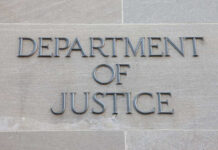
FBI Director Kash Patel’s sweeping removal of high-profile officials sends shockwaves through Washington, igniting fierce debate over the bureau’s future and the battle to restore integrity after years of perceived political weaponization.
Story Snapshot
- Kash Patel, newly appointed as FBI Director, has ousted key officials linked to controversial investigations.
- Patel’s reforms include decentralizing the FBI’s command, aiming to reduce Washington-centric power.
- Removals target figures involved in the January 6 and Peter Navarro cases, raising questions about motives and transparency.
- The shake-up sparks debate over reform versus politicization in federal law enforcement.
Patel’s Appointment and Mandate for Change
On February 20, 2025, Kash Patel took the helm as Director of the FBI, inheriting an agency marred by years of controversy, internal distrust, and widespread accusations of political bias. Patel’s background as a key investigator into FBI conduct during the Russia probe positioned him as a reformer determined to tackle longstanding issues. Within weeks, Patel initiated a series of rapid structural and personnel changes, signaling a break from the centralized, post-9/11 leadership model that many conservatives blame for fostering groupthink and partisan overreach at the highest levels.
Patel’s mandate—restore trust, uproot entrenched bias, and end what many see as the bureau’s drift toward political activism—resonated with those frustrated by the FBI’s role in past high-profile investigations. The speed and scale of these changes are unparalleled in recent bureau history. The new director’s actions, including the removal of senior officials like Brian Driscoll, Walter Giardina, and Steven Jensen, have been described as both necessary and overdue by supporters. However, the lack of detailed public explanation for these removals has fueled speculation and concern among critics and agency insiders alike.
Decentralizing the FBI: Structural Overhaul and Its Implications
Central to Patel’s reforms is the decentralization of the FBI’s command structure. For decades, authority was concentrated in Washington, D.C., a legacy of post-9/11 reforms intended to streamline intelligence sharing. Critics argue this model enabled an unaccountable elite to steer politically sensitive investigations, sometimes at odds with the interests of the American people. Patel’s new plan divides the agency into three regional commands—Central, East, and West—aiming to empower field offices, reduce bureaucratic bottlenecks, and blunt the influence of any single power center.
Kash Patel Is Cleaning House at the FBI, and It's Glorious – PJ Media https://t.co/RP782pE9vA
— ocam’s razor (@ocamssharprazor) August 8, 2025
While decentralization may improve responsiveness and limit groupthink, experts caution that it could also undermine coordination and operational consistency, especially on complex national cases. The abrupt nature of these changes has prompted uncertainty among FBI personnel and raised the risk of morale issues during the transition. Yet, for many conservatives, decentralization represents a long-awaited correction, restoring local accountability and weakening the entrenched bureaucracy that has frustrated reform efforts in the past.
High-Profile Removals: Motives, Transparency, and Debate
The ousting of officials linked to investigations such as January 6 and the Peter Navarro case is particularly evocative for those who believe the FBI was weaponized against conservative Americans. Figures like Steven Jensen and Walter Giardina were at the center of probes that, in the eyes of many, reflected political motivations rather than impartial law enforcement. Patel’s decision to remove these individuals is framed by supporters as a reckoning, addressing years of perceived partisanship and restoring the bureau’s focus on its core mission.
However, the absence of detailed explanations fuels suspicion from critics and some legal scholars. They warn that rapid, opaque personnel changes risk politicizing the FBI further, undermining institutional knowledge, and damaging morale. Without official statements confirming the full scope or justification for these removals, public trust could face new challenges. The debate now centers on whether these actions represent overdue reform or the start of a new cycle of politicization under different leadership.
Amid these debates, the FBI remains in a state of flux. New leadership appointments are expected across the newly established regions, while the agency’s rank-and-file await further guidance. The exact long-term effects—on investigations, public trust, and the balance of power in federal law enforcement—remain to be seen. What is certain is that Patel’s bold agenda has reignited national scrutiny of the FBI’s role, mission, and accountability at a pivotal moment for American constitutional values.
Sources:
FBI Leadership & Structure: Director Patel