Scammers are stealing thousands from holiday travelers using AI-generated voices and fake airline websites that look identical to the real thing.
Quick Take
- Sophisticated scammers impersonate airlines with fake flight cancellation texts and emails, directing victims to fraudulent websites and phone numbers
- One documented case involved a traveler losing $17,000 after being transferred to scammers by a legitimate airline representative
- Artificial intelligence now enables scammers to create convincing voice impersonations and perfectly mimicked airline communications
- The Better Business Bureau warns that scammers exploit holiday travel stress and urgency to bypass rational decision-making
- Travelers must verify flight information through official airline websites and apps, never through links in unsolicited messages
How Modern Scammers Weaponize Urgency and Technology
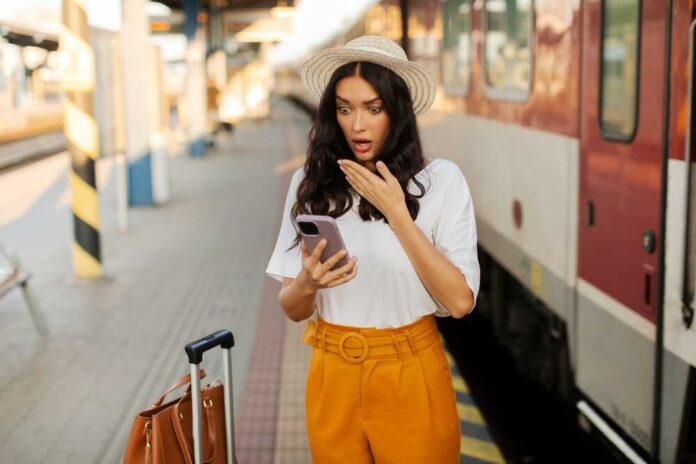
Holiday travelers face an escalating threat from cybercriminals using sophisticated social engineering tactics. Scammers send fraudulent text messages and emails impersonating major airlines, claiming flights have been canceled or delayed. They direct victims to fake airline websites or phone numbers where they extract personal information, credit card details, and payment for fake rebooking services. The scheme has resulted in documented losses exceeding $17,000 per victim, with the scam remaining active as the 2025 holiday season approaches.
The Evolution From Simple Phishing to AI-Powered Impersonation
Airline impersonation scams have existed for years, but the current iteration represents a quantum leap in sophistication. Scammers previously relied on fake social media accounts; today’s criminals employ artificial intelligence to create voice impersonations nearly indistinguishable from legitimate airline workers. They build entirely fake airline websites, purchase Google advertisements for visibility, and incorporate legitimate flight details obtained through data breaches or public information. This technological sophistication makes messages appear authentic, exploiting specific emotional triggers tied to holiday travel, family obligations, and weather chaos.
Why Holiday Travelers Are Particularly Vulnerable
The scams exploit multiple contextual vulnerabilities. Rising flight prices due to inflation increase financial stakes for victims. Holiday travel creates emotional urgency and time pressure that bypass rational decision-making. Winter weather disruptions make flight cancellation claims more believable. Travelers are often distracted and stressed during holiday planning, making them susceptible to panic-inducing language like “act fast” and “your seat will be canceled.” Cybersecurity expert Kurt Knutsson emphasizes that scammers weaponize this psychological pressure to override caution.
The Ryan Smoker Case Exposes Systemic Vulnerability
In August 2024, United Airlines passenger Ryan Smoker lost $17,000 to scammers after being transferred to fraudsters by a legitimate airline representative. This incident illustrates a critical vulnerability extending beyond individual consumer vigilance to systemic weaknesses in airline customer service infrastructure. Even cautious travelers contacting official airline numbers can be transferred to scammers, demonstrating that the problem transcends what consumers can prevent through personal vigilance alone.
Warning for holiday travelers over flight cancellation texts that can cost thousands https://t.co/KIhHiQSHi3 pic.twitter.com/89acb3p98s
— The Independent (@Independent) November 28, 2025
Protective Measures Every Traveler Must Implement
The Better Business Bureau recommends confirming flight and reservation numbers before calling customer support and explicitly advises against calling customer service numbers included in suspicious messages. Instead, verify all information through official airline websites or mobile apps. Security professionals recommend enabling multi-factor authentication on travel accounts, avoiding clicking unexpected airline links, and taking time to verify information before making decisions. Report suspicious messages to the Federal Trade Commission. Never share flight itineraries, luggage tags, or ticket information publicly.
What Airlines and Regulators Must Do
Current airline communication systems lack robust verification mechanisms allowing customers to definitively confirm message legitimacy. Airlines should implement advanced authentication technologies, including multi-factor verification for customer service interactions and blockchain-based ticket verification. Regulatory bodies must establish industry standards for customer communication authentication. Technology platforms should enhance detection of fake airline websites and fraudulent advertisements. Without systemic changes, individual consumer vigilance alone cannot adequately protect travelers from increasingly sophisticated scams.
Sources:
Warning for holiday travelers over flight cancellation texts that can cost thousands
Fake Flight Scam Texts: Identity Theft Targeting Holiday Travelers
Fake Flight Cancellation Texts Target Travelers