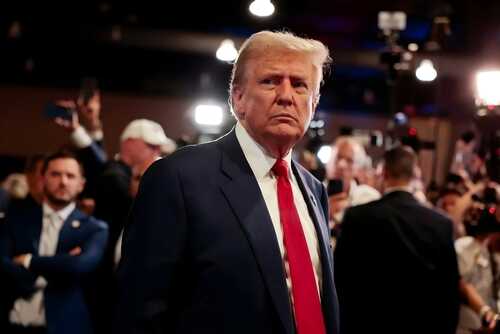
President Donald Trump has issued a sweeping set of pardons and commutations for January 6 defendants, including those accused of threatening federal agents on social media, marking a seismic shift in the legal and political landscape of post-January 6 America.
Story Snapshot
- Trump granted blanket pardons to all remaining January 6 defendants, including those accused of threatening law enforcement.
- The move is unprecedented in scope and includes individuals with violent or threatening conduct.
- The pardons have sparked intense debate over executive power, rule of law, and the message sent to future offenders.
- Law enforcement agencies and legal experts warn of long-term consequences for deterrence and public safety.
Unprecedented Scope of the Pardons
On January 20, 2025, President Trump issued a proclamation granting full pardons and commutations to all individuals convicted of offenses related to the January 6, 2021, Capitol attack. This included a blanket pardon for all remaining defendants, regardless of the severity of their crimes. The Department of Justice was directed to dismiss all pending indictments and release all incarcerated individuals. The scope of the pardons is unprecedented, covering not only those who participated in the Capitol riot but also those accused of threatening federal agents, such as the FBI, on social media platforms.
The inclusion of individuals accused of threatening law enforcement is particularly notable. These pardons extend to those who made violent threats online, raising concerns about the message sent to would-be offenders and the safety of federal agents. The move is framed by the White House as a step toward “national reconciliation,” but critics argue it undermines the rule of law and sets a dangerous precedent for future political violence.
Trump issues broad pardons for Jan. 6 defendants https://t.co/nUHTHLqr5X pic.twitter.com/LxVCRpGy9P
— New York Post (@nypost) January 21, 2025
Political and Legal Ramifications
The pardons have sparked intense debate over executive power and the limits of presidential clemency. Legal scholars warn that such broad pardons may erode the deterrent effect of the justice system and embolden extremists. Law enforcement officials express concern about the message sent to would-be offenders and the safety of agents. The pardons have also deepened partisan divides, with some on the right defending them as correcting prosecutorial overreach and fulfilling campaign promises, while others on the left argue they are an abuse of power and a threat to democratic norms.
The Department of Justice and Bureau of Prisons are legally obligated to comply with the pardons, despite possible internal dissent. Congressional oversight is limited but vocal, with some members supporting the pardons and others condemning them. The move has also renewed scrutiny over the role of social media platforms in facilitating threats and organizing violence.
Impact on Law Enforcement and Public Safety
The pardons have immediate and long-term implications for law enforcement and public safety. The release of all Jan 6-related prisoners and the dismissal of pending cases have created a surge in political controversy. Law enforcement agencies are concerned about the potential for increased threats and violence, particularly from emboldened extremists. The pardons may also undermine the authority of the justice system and the ability of prosecutors to hold individuals accountable for political violence.
The broader impact on public safety is uncertain, but experts warn of the risk of recidivism and the challenge of reintegrating individuals with histories of political violence. The pardons may also have economic and social consequences, including increased costs for law enforcement and security, heightened polarization, and a possible increase in extremist rhetoric and activity.
https://youtu.be/6JHmZ9-DzYs?si=7aR9s29fEdhtg7Lx
Sources:
White House Proclamation, Jan 20, 2025