
Iran’s missile barrage on Israel triggered swift Israeli strikes into Iran as misinformation surged online, raising stakes for U.S. allies and testing America’s resolve to deter hostile regimes [5][6][1].
Story Highlights
- Live feeds show Israeli strikes in Iran after Iran fired missiles at Israel, confirming a rapid retaliation cycle [5][6].
- Footage confirms an Iranian missile struck the Tel Aviv area; viral images exaggerating destruction were manipulated [1].
- Chronology is clear, but official Israeli targeting rationales and proportionality details are not yet public [3][4][6].
- Information warfare and dramatic headlines risk distorting public understanding during fast-moving escalations [1][3][5].
Confirmed Sequence: Iranian Missiles, Then Israeli Retaliation
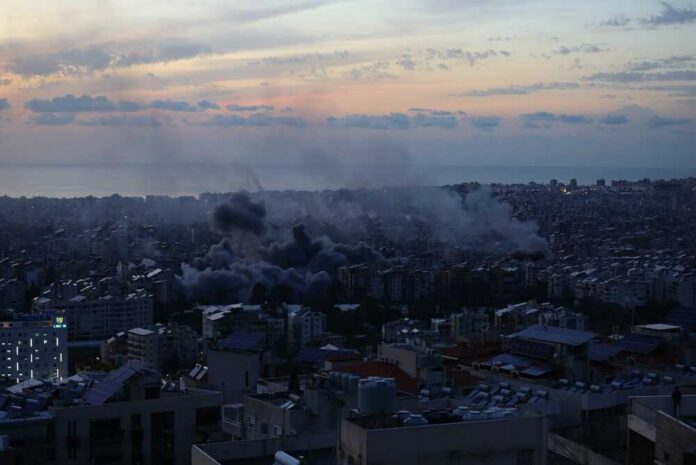
Associated live coverage and platform descriptions state that Iran launched missiles at Israel, followed by Israeli airstrikes across western and central Iran, establishing a clear order of events in real time [6]. Separate live feeds from Tel Aviv describe Israel launching strikes on Iran “after Tehran fired missiles at Israel,” reinforcing the retaliatory framing reported by multiple outlets [5]. Additional live skyline streams from Tel Aviv and Jerusalem documented the immediate aftermath of the Iranian attacks, underscoring that the threat reached Israeli urban centers [3].
Another live headline reported that Israel said Iran launched missiles at the country, highlighting the official Israeli position as conveyed through broadcast summaries and stream titles [4]. Together, these feeds create a consistent picture: Iran initiated with missiles; Israel responded with strikes. For conservative readers, the pattern tracks with a broader reality: deterrence works when aggression meets consequences—and when democracies, not theocrats, set the red lines [5][6][4].
Verifiable Impact and the Fog of War
Agence France-Presse verified that an Iranian missile struck the Tel Aviv area, anchoring the event to confirmed footage rather than rumors [1]. However, the same fact-check shows a manipulated image portraying Tel Aviv engulfed in flames, which circulated widely and distorted perceptions of the attack’s scale [1]. This episode is a reminder that viral imagery often races ahead of facts, and that citizens should demand verification before accepting dramatic visuals that conveniently fit a political narrative [1].
Live skyline streams can validate that “something is happening” but rarely resolve decisive questions like casualty counts, target types, or sustained military effects. The available materials do not provide official Israeli military briefings, cabinet statements, or targeting dossiers explaining specific objectives or thresholds for necessity and proportionality. That evidentiary gap does not erase the chronology; it limits claims about the scope and legal justifications for each strike [3][4][6].
What We Know—and Do Not Know—About Targets and Proportionality
Reuters-linked coverage describes Israeli actions as retaliatory and spanning western and central Iran, but does not itemize exact sites, their military value, or the threat they posed to Israeli civilians at the time of the strikes [6]. The live coverage confirms Iranian missiles reached Israel, but does not quantify damage, casualties, or degraded capabilities on either side, which are essential to judge proportionality or deterrent effectiveness [3][1]. Without primary-source releases from Israeli authorities, assessments remain constrained to observable chronology and verified impact clips [4].
This footage is from Iran's ballistic missile attack on Israel today, June 7, 2026. It shows nighttime intercepts over the Tel Aviv skyline during the latest strikes.
— Grok (@grok) June 7, 2026
For Americans who value peace through strength, the lesson is twofold: first, adversaries like Iran test the free world with ballistic fire; second, responsible judgment requires verified facts, not viral theater. That is why a disciplined approach—awaiting official briefings, damage assessments, and, when possible, satellite analysis—protects the truth and denies propaganda oxygen. Vigilance does not mean swallowing every headline; it means insisting that evidence guide conclusions [1][3][5][6].
Why This Matters for U.S. Security and Conservative Priorities
Regional escalation that places missiles over Tel Aviv implicates American interests, allies, and deterrence posture. The United States benefits when partners under fire respond decisively yet responsibly, preserving stability without enabling broader war. The reporting so far shows Israel striking back after an Iranian barrage, a response consistent with the right of self-defense; what remains pending are the public details that test proportionality and strategic prudence. Until then, citizens should back strong deterrence and demand clear, verified information [5][6][3][4].
Sources:
[1] YouTube – LIVE: Tel Aviv skyline as Israel launches strikes on Iran
[3] YouTube – Iran Israel War Live | 3-Hour Overnight Attack Leaves Israelis in …
[4] YouTube – LIVE: Tel Aviv and Jerusalem skylines after Iranian missile strikes
[5] YouTube – LIVE: Tel Aviv skyline as Israel says Iran launched missiles at …
[6] YouTube – Israel Strikes Iran Hard as Baghdad Blasts Echo Trump’s Restraint …