Stephen King’s false claim about Charlie Kirk ignites a fierce backlash, highlighting the dangers of misinformation in the digital age.
Story Highlights
- Stephen King falsely accused Charlie Kirk of promoting violence against the LGBTQ community.
- Senator Ted Cruz condemned King, calling him a “horrible, evil, twisted liar.”
- King issued multiple apologies after retracting his statement.
- The incident underscores the rapid spread of misinformation on social media platforms.
Ted Cruz Responds to Stephen King’s False Claim
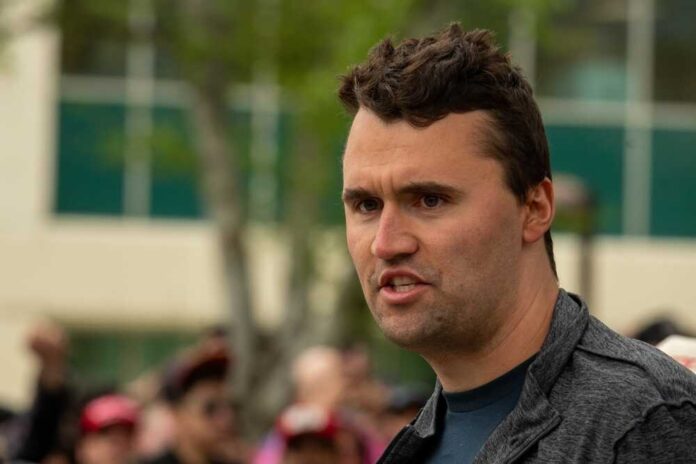
Following the tragic assassination of conservative activist Charlie Kirk, author Stephen King made a false claim on social media, alleging that Kirk had advocated stoning gays to death. This inflammatory statement was swiftly condemned by many, including Texas Senator Ted Cruz. Cruz, a staunch defender of conservative values, vehemently labeled King a “horrible, evil, twisted liar” for spreading misinformation about Kirk, who was a prominent figure known for his support of traditional conservative principles.
Stephen King FORCED to delete post after LYING and claiming that Charlie Kirk called for the stoning of gays.
THIS is the exact false rhetoric that causes violence against conservatives. SHAMEFUL pic.twitter.com/RYMETmmHQb
— Libs of TikTok (@libsoftiktok) September 12, 2025
The rapid backlash from Cruz and other conservatives highlights the tension between public figures and the speed at which misinformation can spread in today’s digital landscape. King’s statement, made on X (formerly Twitter), was swiftly circulated, leading to a significant outcry from Kirk’s supporters and conservative commentators. This incident serves as a stark reminder of the responsibilities that public figures have when using social media platforms, especially in politically charged environments.
Stephen King’s Apology and Its Reception
Realizing the error of his statement, Stephen King deleted his original post and issued several apologies, acknowledging his mistake and the repercussions of sharing unverified information. King admitted to misreading information online and expressed regret for his actions, stating, “This is what I get for reading something on Twitter without fact-checking. Won’t happen again.” Despite the apology, the damage had been done, and King’s reputation, particularly among conservative audiences, took a significant hit.
The incident not only reignited debates around the accuracy and accountability of statements made by public figures but also emphasized the heightened political polarization in the United States. King’s apology, although widely circulated, did little to quell the ongoing discussions about the integrity of online discourse and the potential consequences of misinformation.
Broader Implications for Online Discourse
The clash between Stephen King and Ted Cruz over Charlie Kirk’s legacy has broader implications for online discourse, particularly in terms of misinformation and accountability. In the short term, the incident has intensified political polarization, with individuals on both sides of the ideological spectrum using the event to bolster their respective narratives. In the long term, the episode may deter public figures from making unverified statements, fearing backlash and reputational damage.
In an era where social media acts as a primary battleground for political and ideological conflicts, this incident underscores the importance of fact-checking and responsible communication. It raises questions about the role of social media platforms in moderating content and the responsibilities of individuals in preventing the spread of misinformation.
Sources:
Hindustan Times: Stephen King Blasted for False Claim About Charlie Kirk After His Death
UNI India: Stephen King Charlie Kirk