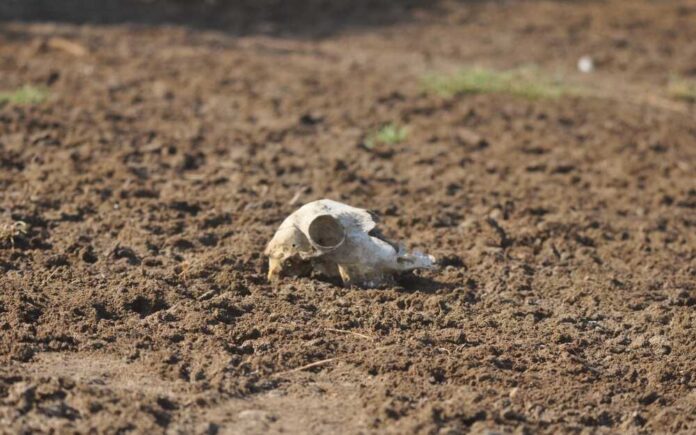
A stunning archaeological discovery in rural Indiana has unearthed evidence of ancient American habitation that predates most known civilizations, reminding us that our nation’s history runs far deeper than leftist revisionists would have you believe.
Story Highlights
- A hobbyist discovered a 4,270-year-old human skull along the Whitewater River in Fayette County, Indiana, dating back to approximately 2,300 B.C.
- Forensic specialists from the University of Georgia and University of Indianapolis confirmed the extraordinary age of the remains after initial investigation
- Indiana DNR now holds authority over repatriation decisions, with potential connections to indigenous groups including the Shawnee and Miami tribes
- The discovery occurred on private land, with the landowner responsibly reporting the find to authorities on October 13, 2025
Ancient Discovery Challenges Modern Understanding
On October 13, 2025, a local hobbyist made an extraordinary find along the Whitewater River bank in Fayette County, Indiana. The individual discovered a human skull that forensic analysis would later date to over 4,270 years old, placing it in the era of approximately 2,300 B.C. This timeline predates many established civilizations and offers remarkable insight into prehistoric settlement patterns in the American heartland. Fayette County Coroner Eddie Richardson led the initial investigation, coordinating with the Sheriff’s Department to secure the remains and initiate proper forensic protocols.
Forensic Analysis Reveals Prehistoric Timeline
The remains underwent comprehensive forensic examination by specialists from the University of Georgia and the University of Indianapolis Identification Center, with Dr. Krista Latham serving as a key expert in the analysis. The forensic team determined the skull’s remarkable age through established scientific methods, confirming its prehistoric origin. This level of preservation for remains over four millennia old is exceptionally rare in Indiana, making the discovery significant for both archaeological and anthropological research. The find occurred in a region historically inhabited by indigenous groups including the Shawnee and Miami tribes, though the exact cultural affiliation remains under investigation.
Legal Protocols and Cultural Stewardship
The Indiana Department of Natural Resources now holds primary authority over decisions regarding repatriation and site management, following established legal frameworks for handling ancient human remains. Coroner Richardson emphasized the historical significance and the necessity of culturally sensitive handling throughout the process. The discovery site, located on private land, may undergo further archaeological investigation pending DNR guidance. This case demonstrates the importance of proper reporting procedures when citizens encounter potentially significant historical artifacts. The landowner’s prompt notification to authorities ensured the remains received appropriate professional attention and legal protection.
Implications for American Historical Understanding
This discovery challenges simplistic narratives about American history and demonstrates the sophisticated habitation of this continent thousands of years before modern political boundaries existed. The find may influence state policies on ancient remains management and could strengthen protocols for future archaeological discoveries. Potential outcomes include enhanced heritage tourism, additional research funding for regional archaeology, and possible repatriation to indigenous communities, which would honor legitimate cultural connections to ancient ancestors. The discovery serves as a reminder that true American history extends far beyond the selective narratives promoted in modern educational institutions, revealing complex prehistoric settlement patterns that demand respect and serious academic study rather than political manipulation.
Hobbyist finds 4,270-year-old human skull on Indiana riverbank, stumping authorities https://t.co/TCwMQqqpLz
— Fox News Lifestyle (@FoxNewsLife) October 20, 2025
As authorities await final DNR guidance on repatriation and site management, this remarkable find stands as testament to the rich, layered history beneath American soil. The collaboration between law enforcement, academic experts, and cultural authorities demonstrates how proper institutions can work together to honor both scientific inquiry and cultural heritage without the divisive identity politics that plague so many modern discussions of American history.
Sources:
4200-Year-Old Skull Found Along Fayette County Riverbank
Hobbyist finds 4,270-year-old human skull on Indiana riverbank, stumping authorities