Massive new immigration crackdowns and sweeping enforcement powers under President Trump’s 2025 administration signal a direct challenge to both constitutional liberties and everyday American life.
Story Highlights
- Trump’s second term brings rapid, sweeping changes to immigration laws and enforcement, testing executive power limits.
- Federal and military resources are being deployed to seal the border and ramp up nationwide deportations and detentions.
- The “One Big Beautiful Bill Act” enables unprecedented funding for immigration enforcement, detention, and penalties, impacting legal and undocumented immigrants alike.
- Due process and humanitarian protections are being curtailed, raising concerns for constitutional rights and traditional American values.
Trump’s 2025 Immigration Policies: Sweeping Action and Executive Power
In 2025, President Trump’s administration wasted no time radically overhauling immigration policy. Executive orders and legislation have triggered aggressive removals of noncitizens, pressured states and local governments to aid federal enforcement, and closed the southern border to stem what is described as an “invasion.” The administration’s assertive approach tests the boundaries of executive power, with each action reinforcing a hardline stance that resonates with voters frustrated by years of perceived border chaos and government inaction.
The new administration’s playbook extends beyond border security. Orders now empower state and local police to act as immigration officers, and federal funding has been slashed for jurisdictions refusing to cooperate with enforcement. The use of the U.S. armed forces domestically, including at the border and at new detention facilities like Guantánamo Bay, marks a significant escalation. These military deployments and expanded expedited removal policies allow immigration agents to target noncitizens anywhere in the United States, not just at the border, raising alarms about the implications for constitutional protections and due process rights.
Unprecedented Funding and Expansion of Immigration Detention
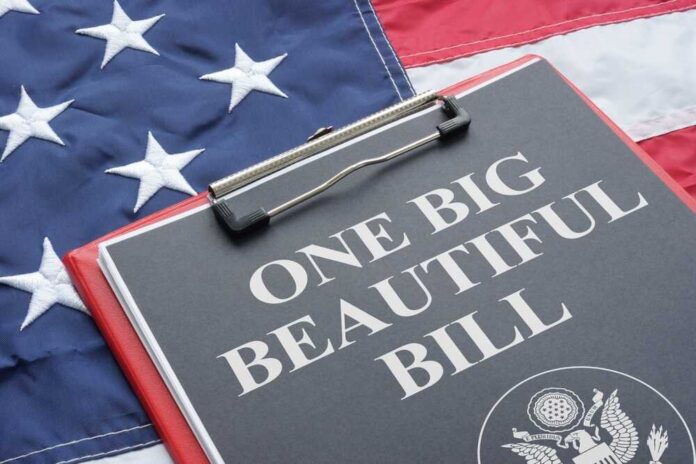
July 4, 2025, saw the passage of the “One Big Beautiful Bill Act,” which allocates $170 billion for immigration enforcement, detention, and deportation through 2029. This law quadruples the budget for immigration detention, immediately funneling $45 billion to detain both adults and families. Private prison companies are poised to benefit, as the bill’s provisions encourage the growth of detention facilities nationwide. Simultaneously, $32 billion is earmarked for bolstering enforcement operations, with critics warning that these funds may incentivize racial profiling, family separations, and rapid-fire deportations without court hearings.
Federal and military resources are being diverted for border militarization, raising concerns about potential violations of the Posse Comitatus Act. The Department of Justice receives $3.3 billion to prosecute immigration-related offenses, and new penalties and fees are levied on asylum seekers and those crossing the border without authorization. These measures, conservatives argue, are essential to restore order and sovereignty, but they also prompt debate about the erosion of due process and the humanitarian impact on families and children.
Due Process, Humanitarian Concerns, and the Conservative Response
The administration’s approach has sharply curtailed traditional humanitarian protections. Expedited removal is now available nationwide for noncitizens unable to prove extended U.S. presence, and parole programs for specific nationalities have been ended. The government has also suspended all refugee resettlement programs, with minimal exceptions, and imposed new non-waivable fees for asylum applications and renewals. Many lawfully present immigrants have lost access to health insurance and anti-poverty benefits, directly affecting children and families.
For many conservatives, these actions address a long-standing frustration with perceived government overreach, unchecked immigration, and the dilution of American values. The policies represent a restoration of sovereignty and a reassertion of rule of law. At the same time, the scale and speed of the changes have sparked legal challenges and debate, particularly over the potential for abuses of power, constitutional infringements, and impacts on families who have lived in the U.S. for years. Limited data is available on the full impact, but early reports suggest a chilling effect on immigrant communities and increased scrutiny of all noncitizens, regardless of criminal history.
Traditional Values and Constitutional Questions in 2025
President Trump’s 2025 initiatives have become a rallying point for conservatives seeking strong borders, national security, and the preservation of traditional values. Yet, the expanded enforcement apparatus, new military roles in immigration control, and reduction in due process rights raise critical questions for constitutionalists. As the administration continues to reshape the U.S. immigration system, the nation faces a pivotal debate: how to protect both the sovereignty of its borders and the constitutional rights that define American freedom. The coming months will reveal whether these sweeping changes bring the security conservatives demand, or whether they ignite new controversies over liberty and justice for all.
Sources:
The Trump Administration’s 2025 Changes to Immigration Law
Ten Harmful Trump Administration Immigration and Refugee Policies
The Anti-Immigrant Policies in Trump’s Final “Big Beautiful Bill”
100 days of immigration under the second Trump administration