A powerful offshore quake and tsunami scare in the southern Philippines is a fresh reminder of how fragile supply chains, energy security, and American strategic interests can be when disaster hits a key ally in a volatile region.
Story Snapshot
- A major magnitude 7.8 earthquake struck off Sarangani in Mindanao, triggering tsunami warnings and coastal evacuations.
- Conflicting early magnitude reports (7.8 versus 8.2) show how fast-moving foreign agencies and media can muddy critical facts.
- Damage, power outages, and building collapses were reported as Philippine authorities rushed to assess casualties and coordinate response.
- The quake highlights how disasters in Asia can disrupt energy, shipping, and national security interests that American families ultimately feel at home.
Major Quake Hits Mindanao, Triggers Tsunami Fears
The Philippine Institute of Volcanology and Seismology recorded a **magnitude 7.8** earthquake offshore of Sarangani, in the southern island of Mindanao, at 7:37 a.m. local time on June 8, 2026.[2] United States Embassy alerts, summarizing Philippine data, placed the epicenter just off the Sarangani coast, confirming that this was a shallow offshore event capable of disturbing the seafloor and threatening nearby coastal communities.[2] Regional broadcasters likewise described a powerful offshore quake affecting the broader southern Philippines region.[1][3]
Following the quake, the United States Tsunami Warning System issued a **tsunami threat**, while Philippine seismology officials warned that wave heights **greater than one meter** above normal tide levels were possible along portions of the southern coastline.[1] Authorities in Manila and local governments on Mindanao urged residents in low-lying and coastal areas under the warning to move immediately to higher ground or further inland, emphasizing that initial waves could arrive within about two hours and that hazardous conditions might persist for several hours.[2]
Confusing Early Numbers, Real-World Damage on the Ground
Early coverage once again showed how chaotic disaster reporting can be, with different agencies offering conflicting magnitude estimates in the first hours.[1][3] While Philippine data and the United States Embassy alert reported a 7.8 event, the German Research Centre for Geosciences initially labeled the quake as high as magnitude 8.2 before revising, and some broadcasters repeated those larger numbers on air.[1][3] This type of discrepancy is common after major earthquakes but can shape public perception when the most dramatic figure is repeated first and corrected later.[1][3]
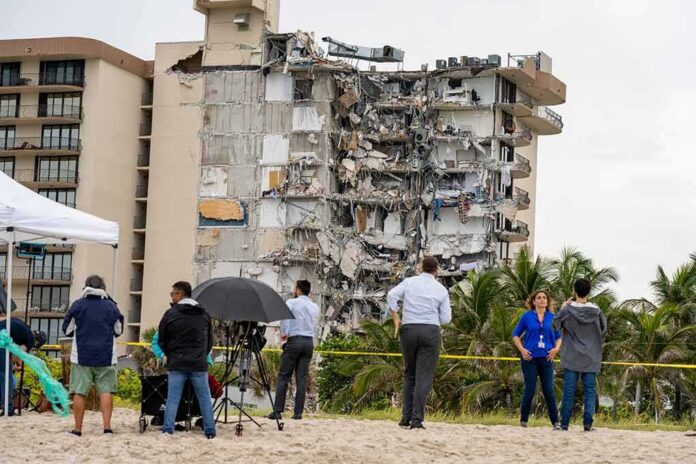
Even without a final settled number, there was no question about the strength of the shaking or the impact on communities. Philippine media and international outlets reported building collapses and visible structural damage in General Santos City and surrounding areas on Mindanao following the quake.[3] Videos circulating from official Philippine information channels and social media showed cracked walls, fallen debris, and cars crushed by masonry outside commercial buildings.[3] Officials also described temporary power cuts and disrupted internet services, typical of significant regional earthquakes that stress already fragile infrastructure.[3]
Evacuations, Tsunami Alerts, and a Key U.S. Ally Under Strain
Philippine authorities, including national disaster management offices and local civil defense councils, moved quickly into assessment and response mode as tsunami advisories went out.[2][3] Government agencies prepared evacuation centers and relief goods while urging residents to prioritize safety over attempts to return quickly to damaged buildings or coastal homes.[3] Japan and Indonesia, remembering past deadly tsunamis, issued their own advisories for vulnerable coastal areas, underlining how one offshore event can ripple across multiple countries within the same ocean basin.[1][3]
🚨🌍 BREAKING: A powerful 7.8-magnitude earthquake struck near Maasim, Sarangani, Philippines, at 7:37 AM on June 8, 2026, sending strong tremors across Southern Mindanao. 😱⚠️
Residents are being urged to stay alert and avoid high-risk areas while emergency teams continue pic.twitter.com/pfk7OCuGJp
— WeatherWalay (@weatherwalay) June 8, 2026
For Americans watching from afar, it can be tempting to treat this as “someone else’s disaster,” but Mindanao and the surrounding seas sit along vital shipping routes and near major energy supply lines that underpin global markets. Disruption in a major Asian archipelago that is a formal U.S. ally can strain already tight fuel supplies, increase shipping insurance costs, and add pressure to an inflation picture shaped by global instability rather than free markets alone. Conservative readers who care about strong borders, reliable energy, and national security know that when Washington chases climate vanity projects instead of hard infrastructure and resilient supply chains, shocks like this quake hit household budgets faster and harder.
Sources:
[1] YouTube – Earthquake of magnitude 7.8 strikes off southern Philippines
[2] Web – Earthquake of magnitude 7.8 strikes off southern Philippines … – CNA
[3] Web – Magnitude 7.8 Earthquake, Tsunami Warning affecting Mindanao