
Questions over the true authorship of the 2017 Intelligence Community Assessment on Russian election interference have reignited a fierce debate about the politicization of intelligence and the legitimacy of the Russia probe.
Story Snapshot
- Susan Miller, a retired CIA officer, is at the center of controversy over claims about her role in the 2017 Russian interference assessment.
- DNI Tulsi Gabbard accuses the Obama administration of manipulating intelligence, calling for criminal accountability.
- Miller denies authoring the assessment and insists intelligence was not politicized, but media scrutiny exposes inconsistencies in her statements.
- The dispute highlights ongoing partisan battles over the Russia investigation and the credibility of U.S. intelligence agencies.
Susan Miller’s Role in the 2017 Russia Assessment Under Scrutiny
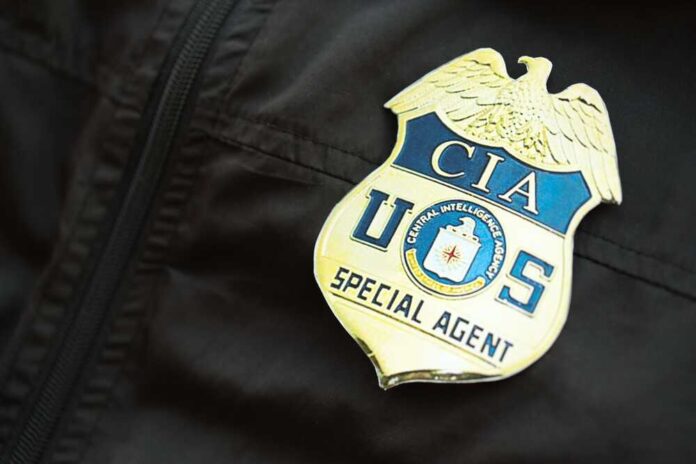
Susan Miller, a former CIA officer, was recently thrust into the national spotlight after being named in media reports as a principal author of the 2017 Intelligence Community Assessment (ICA) on Russian election interference. The ICA, released in January 2017, concluded that Russia sought to help Donald Trump win the presidency. Miller, now retired, has publicly defended both her reputation and the integrity of the assessment amid mounting scrutiny from the media and political leaders.
CIA Agent Who Reportedly Authored 2017 Report on Russian Collusion, Now Says She Didn't Write It https://t.co/GzKnYdzZVR
— Dr. Bob (@RobertJJacobsen) August 1, 2025
Director of National Intelligence Tulsi Gabbard, who assumed office under President Trump’s administration, has accused the Obama administration of orchestrating a manipulation of intelligence to implicate Russia in supporting Trump. Gabbard’s explosive claims, made in July 2025, allege that key intelligence officials engaged in a “years long coup” and calls for criminal charges against those involved. In response, Miller has given a series of media interviews, stating unequivocally that the assessment was rooted in sound intelligence and was not directed by Obama or then-CIA Director John Brennan. She asserted, “Absolutely not,” when asked if she was told to reach a particular conclusion, and explained that her CIA team produced an analysis that was used as a basis for the ODNI’s final report, but that she did not author the ICA itself.
Media and Political Fallout: Mixed Accounts and Partisan Divide
The media has played a central role in amplifying and dissecting the controversy. Outlets such as The Blaze, Racket News, NBC, and CNN have published conflicting accounts of Miller’s involvement, with some questioning why she, rather than more senior officials, is now defending the ICA’s findings. Miller’s statements have been both supported and challenged by various journalists, with some reports clarifying that she led a CIA analytical team whose work contributed to the assessment rather than authoring the document outright. Conservative and alternative media have focused on these inconsistencies, while mainstream outlets tend to support Miller’s claims that the assessment was not politically motivated.
Tulsi Gabbard’s allegations have found a receptive audience among those skeptical of the original Russia investigation, including President Trump and his supporters. Trump has amplified Gabbard’s claims, using them to reinforce longstanding critiques of alleged corruption and politicization within the intelligence community. Meanwhile, Obama-era officials, including Barack Obama, John Brennan, James Clapper, and James Comey, have sought to defend the legitimacy of their actions and the broader investigation. The controversy underscores the deep partisan divides that have plagued debates over Russian interference and the use of intelligence in political battles.
Implications for Trust in Intelligence and Media
This renewed scrutiny comes at a time of heightened polarization and skepticism toward official narratives. The short-term impact has been a fresh wave of reputational risk for Miller and other intelligence officials, as well as renewed partisan conflict over the credibility of intelligence assessments. In the long term, such controversies threaten to erode public trust in the intelligence community, setting a precedent for political actors to challenge or undermine analytical findings they view as unfavorable. Intelligence professionals warn that disputes like this can undermine the perceived neutrality of their agencies.
CIA Agent Who Reportedly Authored 2017 Report on Russian Collusion, Now Says She Didn't Write It
This just gets weirder by the day!
Who the hell is Susan Miller, and why did she lie about authoring the Obama-ordered 2017 Intelligence Community Assessment that got the Russian… pic.twitter.com/Ormo2Rpij6
— NWRain-Judi (@RYboating) August 1, 2025
Experts note that the core findings of the 2017 ICA have been supported by subsequent inquiries, including the Senate Intelligence Committee and the Mueller Report, all of which found that Russia did seek to interfere in the 2016 election to aid Trump. Still, critics highlight flaws in the assessment process, the reliance on sources such as the Steele dossier (which Miller claims was only an appendix and not the basis for the ICA), and the potential for political influence. The controversy has reignited calls for greater transparency in intelligence authorship and more rigorous media verification of officials’ roles and statements.
What Happens Next: Ongoing Investigations and Public Debate
The controversy over Susan Miller’s role is far from resolved. She is slated to receive the Hidden Hero Award from the International Spy Museum, further raising her public profile. At the same time, media outlets continue to probe her statements and the circumstances surrounding the ICA’s production. Gabbard’s accusations remain under discussion, but, as of now, there is no independent evidence to support claims that Miller or other intelligence officials acted under political orders. Instead, available public documentation indicates that Miller contributed significant analysis but did not author the ICA herself.
As the debate continues, the intelligence community and media face increased pressure to clarify the process and authorship of key assessments. The American public, especially those who have long been skeptical of government overreach and politicized intelligence, remain divided. What is clear is that the fight over the legacy of the Russia investigation, and the integrity of U.S. intelligence, is far from over.
Sources: