A new federal deployment of Oregon National Guard troops ignites a legal battle over states’ rights and federal overreach.
Story Highlights
- Trump’s administration orders 200 Oregon National Guard members to federal service.
- Oregon officials file a lawsuit, claiming the deployment is unlawful.
- Deployment lacks legal justification under Title 10, according to Oregon.
- Both sides express their positions in public statements and press conferences.
Trump’s Deployment Order Sparks Legal Battle
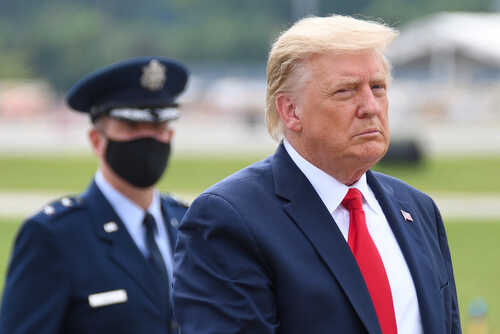
On September 28, 2025, President Trump’s administration ordered 200 Oregon National Guard members into federal service for a 60-day deployment in Portland. The deployment was announced in response to perceived unrest and protests outside the U.S. Immigration and Customs Enforcement building. However, Oregon’s governor, attorney general, and Portland’s mayor quickly filed a federal lawsuit, arguing that the move was unlawful and an overreach of presidential authority.
They plan to seek a temporary restraining order to block the deployment.
JUST IN: Oregon Sues Trump for ‘Unlawful’ Troop Deployment: ‘Incompatible With Liberty and Democracy’ https://t.co/VTZ0NNkUcs
— #TuckFrump (@realTuckFrumper) September 28, 2025
The legal challenge hinges on the absence of insurrection or public safety threats in Portland, which Oregon officials argue are necessary conditions under Title 10 of the U.S. Code for such federal interventions. This deployment has revived tensions about states’ rights versus federal authority, a contentious issue that has historical roots in the United States.
Historical Context and Precedents
Federal intervention in Portland has precedent, notably in 2020 when federal agents were deployed during racial justice protests, raising controversy over state sovereignty and federal authority. The use of Title 10 is typically reserved for situations of insurrection, invasion, or when federal law cannot be enforced by other means, none of which, according to Oregon officials, are currently present. Portland has remained a focal point for debates on protest, policing, and federal authority, especially under Democratic leadership.
Oregon officials argue that the protests outside the ICE building are minor and do not constitute a crisis. Yet, President Trump has consistently threatened federal intervention in cities led by Democrats, citing a need to maintain order. This deployment order has intensified political tensions, with the Trump administration portraying itself as a guardian of stability amid unrest.
Implications of the Legal Challenge
The legal battle could set a significant precedent for federal-state relations, especially concerning the deployment of the National Guard. Legal analysts, including University of Oregon law professor Carrie Leonetti, note that the dispute may heighten political and legal tensions in the state. Long-term implications could involve changes in how federal authority to deploy the National Guard is interpreted and applied, influencing future federal interventions in states.
The lawsuit’s outcome will be closely watched by law enforcement and civil liberties sectors, as it may shape future policy and legal standards for federal interventions in states. The deployment’s impact on local communities, particularly around protest sites, and on the Oregon National Guard members involved, remains a critical concern.
JUST IN: Oregon Sues Trump for ‘Unlawful’ Troop Deployment: ‘Incompatible With Liberty and Democracy’ #DonaldTrump #Democracyhttps://t.co/f1VNQ04HfH
— Mrs. T (@TeresaStores) September 29, 2025
As the legal proceedings unfold, the nation will be observing how this case may redefine the balance between state sovereignty and federal power. The debate continues to highlight the deep divisions within the country on the role and reach of federal authority.
Sources:
Oregon Public Broadcasting article on the lawsuit