China’s rare long-range missile test into the Pacific put nuclear firepower over small island nations, while major powers were quietly tipped off in advance.
Story Snapshot
- China fired a nuclear-capable intercontinental missile with a dummy warhead into the Pacific, calling it “routine” training.
- The United States and other big powers say they were warned ahead of time, but Pacific island governments say they were left in the dark.
- The test was China’s first known long-range shot over international waters in more than 40 years, raising fears about power politics at sea.
- The dispute shows how ordinary people and smaller nations often sit under the flight path of weapons tested by distant elites.
China’s “Routine” Test Was Anything But Ordinary
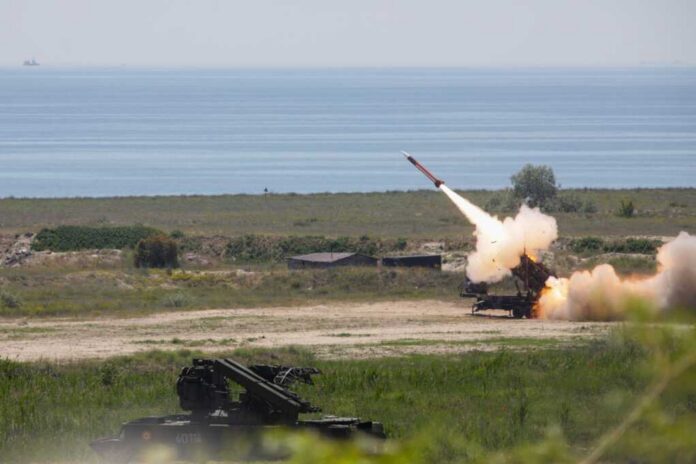
On September 25, 2024, China’s military fired an intercontinental ballistic missile with a dummy warhead into what it called the “high seas” of the Pacific Ocean. The Defense Ministry said the missile fell into an expected, designated area and was part of routine annual training, in line with international law and not aimed at any country or target. This was China’s first known long-range missile launch over international waters since around 1980, which made the test stand out as a major event, not business as usual.
Chinese state outlets repeated the line that “relevant countries” were informed ahead of time, and that the launch simply tested equipment and troop readiness. At the same time, foreign and defense analysts pointed out how rare it is for China to test such missiles over the ocean instead of inside its own territory. They also stressed that this kind of missile, likely a modern Dongfeng model, can reach much of the continental United States, making every “routine” test a direct reminder of China’s nuclear reach.
Big Powers Got a Heads-Up, Small Nations Got a Shock
The Pentagon confirmed that the United States received advance notice of the launch and even called that warning “a good thing” that reduced the risk of miscalculation. Reports also say Australia, New Zealand, and France received alerts before the test, and French officials later confirmed the missile splashed down near French Polynesia’s exclusive economic zone. These notifications are now being used in Washington policy circles as an example for a possible missile pre-launch notification deal between the United States and China.
Pacific Island leaders tell a different story. Commentary on the region’s response says the missile landed inside Kiribati’s exclusive economic zone, yet Pacific Small Island Developing States expressed shock and anger, saying they were not warned. Kiribati’s president’s office issued a statement calling the launch an “unwelcome test” and urging all countries to stop using their ocean as a weapons range. For these small nations, the fact that major powers were notified while they were not felt like proof that their safety matters less than great power signaling and military posturing.
Allies Question China’s Story and Intent
Japan, a close United States ally, said it had not been given prior notice and complained about China’s lack of transparency and rapid military buildup. Classified briefing papers from New Zealand, later reported by journalists, warned that China tried to play down the importance of a nuclear-capable missile test that was anything but routine. Those documents noted this was China’s first such long-range launch over open waters in more than four decades and urged that the test not be repeated, showing deep concern inside another American-aligned government.
Regional and global media framed the launch as part of rising tension between China and the United States, especially around Taiwan and control of Pacific sea routes. Analysts argued the timing and high profile of the test were likely meant as a message to Washington and its allies that China can threaten faraway targets if it chooses. While China insists the missile carried only a dummy warhead and stayed within a planned impact zone, many governments see the event as one more example of nuclear powers flexing their muscles over other people’s homes and livelihoods.
What This Means for Ordinary Americans
For Americans watching from thousands of miles away, this test shows how nuclear politics move faster than democratic debate. China can fire a missile over the Pacific, the United States military quietly gets a heads-up, and small island nations find out when the splash already happens. That pattern looks familiar at home: powerful players coordinate among themselves while regular people bear the risk, whether in foreign policy, trade, or the national debt.
🚨 BIAS EXPOSED 🚨
Why didn’t a mainstream media reporter point out the anti-China hypocrisy of these statements:👉 Defence minister Richard Marles said of a Chinese missile test that Australia is "very concerned".
👉 Foreign Minister Penny Wong labelled the test as… pic.twitter.com/lkBRAihb4x— Peter Cronau (@PeterCronau) July 6, 2026
Many conservatives worry that years of globalist deals and weak borders have left the country exposed, while many liberals worry that “America First” talk hides new dangers for poor and marginalized communities. Both sides can see something troubling here. A foreign nuclear power can test a weapon that can reach American cities, and the main answer from Washington is to ask for a better notification system next time. That may reduce accidents, but it does little to reassure citizens who feel caught between distant capitals trading warnings and threats over oceans full of people.
Sources:
insiderpaper.com, youtube.com, newsweek.com, thediplomat.com, apln.network, reddit.com, facebook.com, scmp.com, abcnews.com