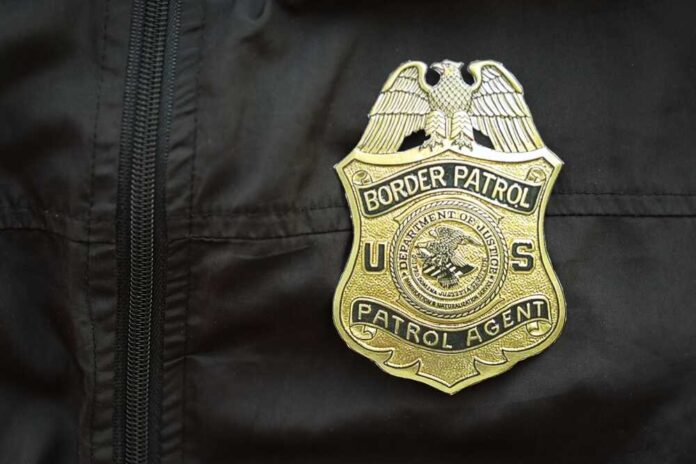
A deadly struggle on the Texas border has renewed attention on cartel smugglers, the risks to frontline agents, and the failed open‑border policies that helped create this danger.
Story Snapshot
- A suspected cartel smuggler was killed after allegedly assaulting a U.S. Border Patrol agent near the Rio Grande in Starr County, Texas.
- Texas Rangers are investigating the officer‑involved shooting as officials release only limited details.
- The incident highlights years of cartel empowerment and border chaos driven by lax prior policies.
- Conservatives see the case as proof that securing the border is essential to protect agents and communities.
Deadly Clash on the Rio Grande in Starr County
Thursday evening along a riverbank in Starr County, Texas, a U.S. Border Patrol agent confronted at least one man who had just crossed the Rio Grande, in an area long plagued by cartel‑run smuggling. Law‑enforcement sources say the man, described as a suspected cartel smuggler, assaulted the agent during a physical struggle on the riverbank. The agent drew his weapon and fired, hitting the suspect, who was rushed to Starr County Memorial Hospital and later pronounced dead as deputies secured the scene.
Texas Department of Public Safety officials confirmed it as an officer‑involved shooting and announced that the Texas Rangers would lead the criminal investigation, which is standard in Texas when a law‑enforcement officer uses deadly force. A DPS spokesperson later posted on social media that one suspect had been shot and died at the hospital. Early accounts indicate the agent is physically okay, with no serious injuries reported, though he now faces intense scrutiny as the case unfolds.
Smugglers, Cartels, and a Border Pushed to the Brink
Starr County sits across from Tamaulipas, Mexico, a territory contested for years by ruthless cartels that tax, control, or directly run migrant and drug smuggling along the river. Human smugglers, often called coyotes, coordinate crossings with lookouts, scouts, and raft operators, turning each stretch of brush and water into a revenue stream. Texas officials have increasingly labeled these operators cartel smugglers, reflecting how deeply organized crime has embedded itself in the flow of illegal immigration.
During the Biden years, record migrant encounters and weak interior enforcement overwhelmed the Border Patrol, stretching agents thin and emboldening smuggling networks that learned Washington would rarely back serious deterrence. Texas responded with Operation Lone Star, deploying troopers, National Guard, and barriers to plug gaps federal leaders refused to close. That militarized posture increased the presence of DPS and Texas Rangers at incidents like this, but it also underscored a central reality: when Washington will not truly secure the border, states are left to improvise under fire.
Investigations, Information Gaps, and Political Stakes
As of now, officials have not released the suspect’s identity, nationality, criminal history, or any evidence of weapons recovered at the scene, and there is no public confirmation of body‑camera, drone, or tower video capturing the struggle. Investigators with the Texas Rangers will piece together timelines, trajectories, and witness statements, while Customs and Border Protection conducts its own internal review. This dual process is routine, but the information bottleneck leaves citizens relying on a handful of early law‑enforcement accounts.
Past border shootings have triggered federal civil‑rights probes, lawsuits, and criticism from activist groups that often assume the worst about agents while giving little weight to the life‑and‑death chaos these men and women face in darkness and brush. Those same groups will almost certainly demand video, autopsy results, and disciplinary action, even before evidence is fully analyzed. For many conservatives, that pattern underscores a double standard: criminals and cartel smugglers are cast as victims, while agents defending the line are treated as political targets rather than public servants.
What This Means for Border Communities and Conservative Voters
Border residents in Starr County live with the consequences of years of policy failure: road closures after shootings, cartel spotters on the hills, and constant anxiety over who is moving along the river at night. While President Trump’s renewed focus on shutting down illegal crossings, designating cartels as terrorist organizations, and ending taxpayer subsidies for illegal aliens aims to reverse that slide, incidents like this reveal how much damage was done when prior leaders prioritized open borders and ideology over security, sovereignty, and the rule of law.
US Border Patrol agent kills suspected cartel smuggler after 'struggle' near Texas riverbank https://t.co/WloIf0p2FY
— Deenie (@deenie7940) December 12, 2025
For conservative readers, the lesson is stark but familiar: when Washington fails to secure the border, danger shifts squarely onto the shoulders of agents and local families. A suspected cartel smuggler should never have reached that riverbank to assault an American officer in the first place. Until the border is fully secured, walls are finished, and cartels are crushed rather than coddled, more agents will be forced into split‑second fights for their lives on the frontlines of a crisis our country should have stopped years ago.
Sources:
Suspect killed during officer-involved Border Patrol shooting in Texas: DPS
Shooting reported after U.S. Border Patrol agents involved in struggle near Texas riverbank